

Built to Last
By Jim Collins
Successful Habits of Visionary Companies
Introduction
Most business books chase the flash of the moment. They celebrate the charismatic leader, the brilliant idea, the bold acquisition, the single dramatic turning point that seems to explain everything. Built to Last goes in a very different direction. It asks a quieter and far more important question. What makes some companies endure and thrive for generations while others, even successful ones, fade, stall, or disappear? That question led to a deep research journey. Jim Collins and his coauthor looked at companies that had become truly visionary institutions, organizations with long records of impact, adaptation, and strong performance. Then they compared them with carefully chosen companies that were successful too, but not as enduring or exceptional. The goal was not to admire greatness from a distance. The goal was to find patterns. If some companies last, there must be reasons. If those reasons can be named, then people who build organizations can learn from them. What emerges is not a recipe for easy success. It is more like a set of habits, beliefs, and disciplined choices that shape a company over decades. Again and again, the book challenges popular myths. Visionary companies are not necessarily started by larger than life heroes. They do not always begin with a brilliant plan. They are not driven only by profit. They do not preserve themselves by standing still. And they do not become great by making one perfect decision. They grow through a powerful blend of continuity and change. They protect a core set of values and purpose while pushing themselves relentlessly to improve, experiment, and stretch. One of the most memorable ideas in the book is the phrase “preserve the core and stimulate progress.” That simple line captures the heart of the whole story. Great companies know what must never change and what must always keep changing. Their identity remains steady. Their methods evolve. Their beliefs endure. Their strategies, products, structures, and practices shift when needed. This balance gives them both stability and energy. The book also has an unusual generosity. It does not treat greatness as a mystery granted to a few lucky firms. It says that many of the traits of enduring companies can be built deliberately. Culture can be shaped. Leaders can design institutions that outlive them. People can create systems that encourage innovation without losing purpose. A company can become more than a business. It can become a living institution with a distinct character. What follows is a journey through the main ideas that make that possible. It is a journey through myth busting, discipline, experimentation, values, ambition, culture, and long term building. By the end, you are left with a demanding but hopeful message. Enduring greatness is not about one giant moment. It is about constructing something worthy of time itself.
Sign up to continue reading
Get access to full book summaries, audio of the summaries, and many more.
Similar Books
Books with a similar vibe—explore more like this.
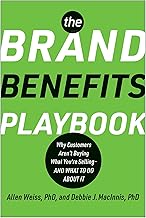
The Brand Benefits Playbook
Allen Weiss, Debbie J. MacInnis
Why Customers Aren't Buying What You're Selling--And What to Do About It
4.8 (803)20 mins
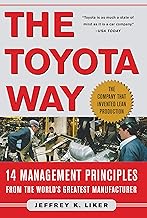
The Toyota Way
The Toyota Way
14 Management Principles from the World's Greatest Manufacturer
4.7 (661)21 mins
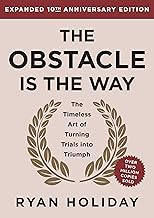
The Obstacle is the Way
Ryan Holiday
The Timeless Art of Turning Trials into Triumph
4.7 (959)30 mins
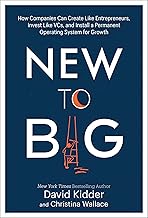
New to Big
David Kidder, Christina Wallace
How Companies Can Create Like Entrepreneurs, Invest Like VCs, and Install a Permanent Operating System for Growth
4.6 (683)31 mins
Buy Back Your Time
Dan Martell
Get Unstuck, Reclaim Your Freedom, and Build Your Empire
4.6 (792)23 mins
The Startup Lifecycle
Gregory Shepard
The Definitive Guide to Building a Startup from Idea to Exit
4.5 (346)21 mins
High Growth Handbook
Elad Gil
Scaling Startups from 10 to 10,000 People
4.5 (413)19 mins
The Everything Store
Brad Stone
Jeff Bezos and the Age of Amazon
4.5 (702)31 mins
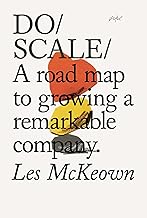
Do Scale
Les McKeown
A road map to growing a remarkable company.
4.4 (441)27 mins
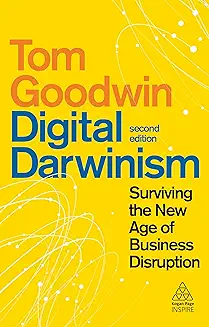
Digital Darwinism
Tom Goodwin
Survival of the Fittest in the Age of Business Disruption
4.4 (308)23 mins