

Chip War
By Chris Miller
The Fight for the World's Most Critical Technology
Introduction
Open your phone, your car, your washing machine, a fighter jet, or a data center, and somewhere deep inside you will find the same tiny miracle. A chip. A sliver of silicon carrying billions of switches so small they vanish to the eye, yet powerful enough to guide missiles, trade stocks, stream movies, and train artificial intelligence. The modern world runs on these devices so completely that it is easy to forget how strange that fact really is. We built civilization on steel, coal, and oil. Then, almost quietly, we rebuilt it on sand. That is the drama at the heart of Chip War. Chris Miller tells the story of how semiconductors became the foundation of modern power, and why the struggle to design and manufacture them has turned into one of the most important contests in the world. This is not just a business story about smart engineers and successful companies. It is a story about war and peace, about governments and markets, about spies, supply chains, military planners, and entrepreneurs. It is about why some countries became rich and secure, while others discovered that without access to the most advanced chips, their ambitions could be delayed or denied. The book begins with a simple but world changing insight. Computing power matters because it turns information into action. Chips make that possible. They help armies aim, factories automate, scientists calculate, and consumers communicate. Over time, the ability to produce better chips did not stay a technical curiosity. It became a strategic asset. Nations that could make or control them gained an edge not only in commerce but in geopolitics. What makes the story gripping is how unlikely the journey was. The semiconductor industry was built by physicists who became industrialists, by start ups that defeated giants, by public funding that seeded private empires, and by a global division of labor so efficient that no single country could fully master every step. The United States led in design and core technologies. Japan surged in manufacturing. South Korea bet its future on memory. Taiwan turned itself into the workshop of the digital age. Europe held key tools and expertise. China, despite enormous effort and money, kept running into barriers it could not easily break. Beneath all of this runs a deeper question. If chips are the foundation of modern life, what happens when the supply is fragile, concentrated, and contested? The answer shapes everything from economic growth to military balance. It also explains why a machine built in the Netherlands, software written in California, chemicals refined in Japan, and factories in Taiwan can together determine the fate of superpowers. By the end, you see the semiconductor not as a component but as the hidden map of our age.
Sign up to continue reading
Get access to full book summaries, audio of the summaries, and many more.
Similar Books
Books with a similar vibe—explore more like this.
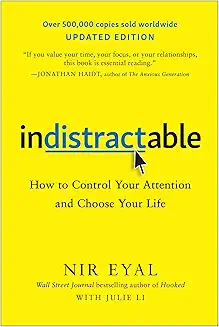
Indistractable
Nir Eyal
How to Control Your Attention and Choose Your Life
4.5 (1387)34 mins

Lifespan
David Sinclair
Why We Age – and Why We Don’t Have To
4.5 (1478)34 mins
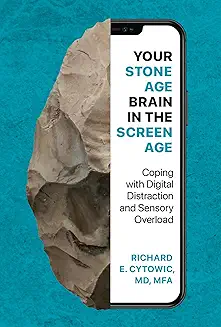
Your Stone Age Brain in the Screen Age
Richard E. Cytowic
Coping with Digital Distraction and Sensory Overload
4.2 (220)24 mins
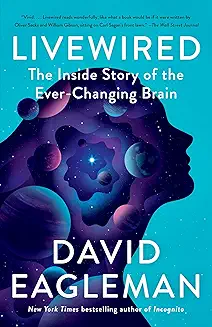
Livewired
David Eagleman
The inside story of the Ever-changing brain
4.8 (544)28 mins

The Yoga Sutras of Patanjali
Translated and commentated on by Sri Swami Satchidananda
Timeless Teachings for Mind, Body, and Emotional Harmony
4.8 (320)32 mins
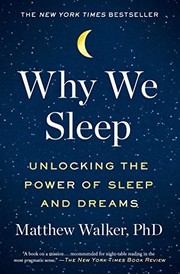
Why We Sleep
Matthew Walker
Unlocking the Power of Sleep and Dreams
4.8 (1560)17 mins
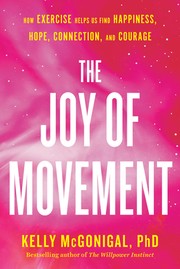
The Joy of Movement
Kelly McGonigal
How Exercise helps us find Happiness, Hope, Connection, and Courage
4.7 (295)25 mins

The Art of Simple Living
Shunmyo Masuno
100 Daily Practices from a Japanese Zen Monk for a Lifetime of Calm and Joy
4.7 (1002)26 mins

The Midnight Library
Matt Haig
A Fantasy Novel About the Choices That Lead to a Life Well-Lived
4.7 (4782)32 mins
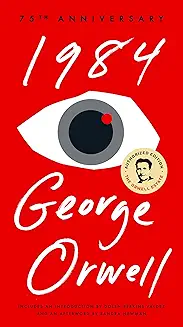
1984
George Orwell
A Dystopian Classic on the Dangers of Totalitarianism
4.7 (1738)16 mins