

Drive
By Daniel H. Pink
The Surprising Truth About What Motivates Us
Introduction
There is a strange gap between what we know about human beings and how we still try to motivate them. We know people are not machines. We know work is not just a trade of time for money. We know that some of our best moments come when we are absorbed in something difficult, meaningful, and satisfying. Yet all around us, in schools, offices, and homes, we still lean on a very old formula. Offer a reward if someone does what you want. Threaten a punishment if they do not. It feels simple. It feels practical. And for a long time, it seemed to make sense. But that formula, Daniel H. Pink argues, is badly out of date. It belongs to an earlier age, a world of routine tasks, predictable systems, and top down control. It was built for factories more than for creative work, for compliance more than for engagement. Today, many of us spend our days solving problems, making judgments, learning new tools, and working with other people in ways that cannot be reduced to a script. In that kind of world, the old approach does not just fall short. It often gets in the way. The big idea of this book is both radical and deeply human. The secret to high performance and genuine satisfaction is not the carrot and stick. It is a different operating system for motivation, one grounded in what really moves people from the inside. We do things because they matter. We want some control over our lives. We want to get better at something that counts. We want to feel part of a purpose larger than ourselves. These desires are not luxuries. They are central to how we thrive. So the book sets out to overturn a stubborn myth. It challenges the belief that the best way to improve results is to increase external rewards. It gathers evidence from psychology, economics, business, and education to show that if the task is narrow and mechanical, rewards can help for a while. But if the task requires thought, imagination, care, or initiative, those same rewards can narrow focus, dull interest, and weaken performance. The problem is not that money does not matter at all. It does. The problem is believing that money is enough, or that it is the main engine of excellence. What unfolds is a new map of human motivation. It begins with the limits of old assumptions, moves through the science of behavior and performance, and arrives at a practical framework for building better organizations, schools, and lives. The pulse of the argument is hopeful. We are not doomed to drudgery. We are designed for far more than obedience. And once we understand that, we can begin to shape work and life around a richer truth about what drives us.
Sign up to continue reading
Get access to full book summaries, audio of the summaries, and many more.
Similar Books
Books with a similar vibe—explore more like this.
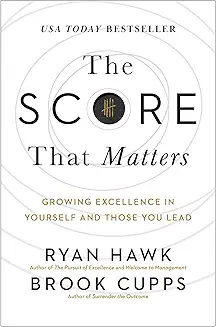
The Score That Matters
Ryan Hawk, Brook Cupps
Growing Excellence in Yourself and Those You Lead
4.7 (368)17 mins

A Promised Land
Barack Obama
The first memoir of Barack Obama, the 44th president of the United States
4.7 (3246)38 mins
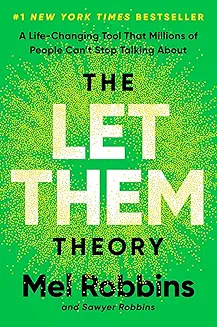
The Let Them Theory
Mel Robbins
A Life-Changing Tool That People Can't Stop Talking About
4.6 (2094)27 mins

The Hero With a Thousand Faces
Joseph Campbell
Understanding the Hero’s Journey Through Psychology and Mythology
4.6 (473)20 mins
Breaking The Habit of Being Yourself
Joe Dispenza
How to Lose Your Mind and Create a New One
4.5 (415)23 mins
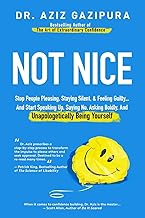
Not Nice
Aziz Gazipura
Stop People Pleasing, Staying Silent, & Feeling Guilt and Start Speaking Up, Saying No, Asking Boldly, and Unapologetically Being Yourself
4.5 (414)29 mins
Raise Your Game
Alan Stein Jr., Jon Sternfeld
High-Performance Secrets from the Best of the Best
4.5 (224)19 mins
Grit
Angela Duckworth
The Power of Passion and Perseverance
4.5 (1938)32 mins

Atlas of the Heart
Brené Brown
Mapping Meaningful Connection and the Language of Human Experience
4.5 (1028)31 mins
Beyond Order
Jordan B. Peterson
12 More Rules for Life
4.5 (1283)31 mins