

Four Thousand Weeks Summary
By Oliver Burkeman
Time Management for Mortals
Summary preview
In a world that seems to be forever chasing after more productivity, more efficiency, and more accomplishments, the idea that we have only around four thousand weeks to live can feel both daunting and strangely liberating. The book invites you to step back from the high-speed hustle of modern life and to really consider just how finite your time on this planet is. It offers a different perspective on time management, one that doesn't focus on squeezing every minute of your day for maximum output, but rather on embracing the limitations of life as a source of freedom and clarity. Instead of constantly battling against the ticking clock, the book encourages you to see time as a precious but limited resource that calls for deliberate choices rather than endless planning. The narrative gently probes the myths we hold about productivity. You might have grown up believing that maximising every minute of your schedule is the surest path to success. However, the text persuasively argues that this approach can leave you feeling perpetually exhausted and unsatisfied. Instead, it challenges you to recognize that having a limited amount of time means you can never do it all. Embracing this fundamental truth, the author invites you to re-examine how you allocate your hours and moments. It is not about fitting more tasks into your day but about embracing the moments that truly resonate with your values and desires. Throughout, the language is inviting and thoughtful, creating a conversational rhythm that feels like a friend sharing hard-won wisdom over a cup of coffee. The text explores profound ideas using plain language, blending personal anecdotes, historical insights, and practical tips. It demonstrates how modern time management techniques often sell a myth of control and perfection, whereas real life requires you to accept uncertainty and find beauty in the unpredictable. For example, consider how the book draws on relatable experiences that resonate with anyone who has ever felt overwhelmed by their endless to-do list. Ultimately, the work is both a wake-up call and a comforting reminder. It calls you to slow down and to rethink what matters most. The central message is as empowering as it is simple: the finite nature of our lives is not a burden but a guidepost that can help us focus on what truly matters. When you start to see time not as an enemy to be mastered but as a precious companion on your journey, you begin to live more intentionally. This introduction sets the stage for a deep dive into the heart of the book, promising an exploration of how to live fully within the constraints of our limited weeks, while still leaving room for wonder, creativity, and genuine human connection.
Sign up to continue reading
Get access to full book summaries, audio of the summaries, and many more.
Similar Books
Books with a similar vibe—explore more like this.
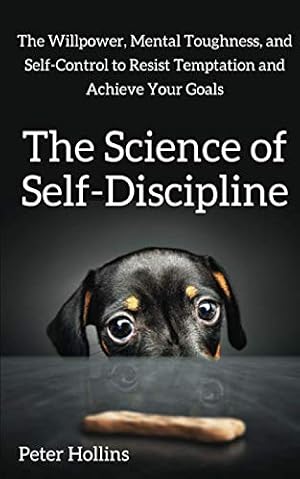
The Science of Self-Discipline
Peter Hollins
Resist Temptation and Achieve Your Goals
4.7 (71)20 mins
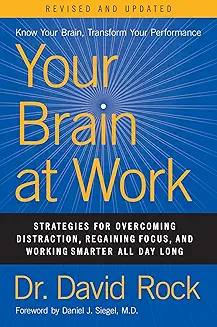
Your Brain at Work
David Rock
Strategies for Overcoming Distraction, Regaining Focus, and Working Smarter All Day Long
4.6 (1428)32 mins
Breaking The Habit of Being Yourself
Joe Dispenza
How to Lose Your Mind and Create a New One
4.5 (415)23 mins
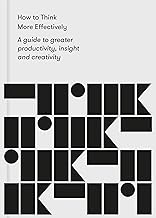
How to Think More Effectively
The School of Life
A guide to greater productivity, insight and creativity
4.5 (909)23 mins
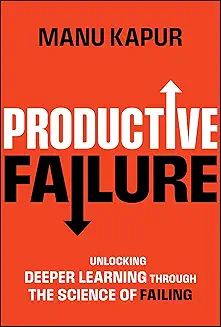
Productive Failure
Manu Kapur
Unlocking Deeper Learning Through the Science of Failing
4.5 (211)22 mins
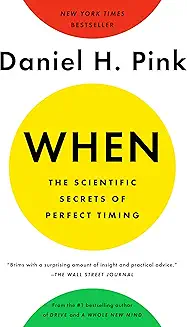
When
Daniel H. Pink
The Scientific Secrets of Perfect Timing
4.5 (673)26 mins
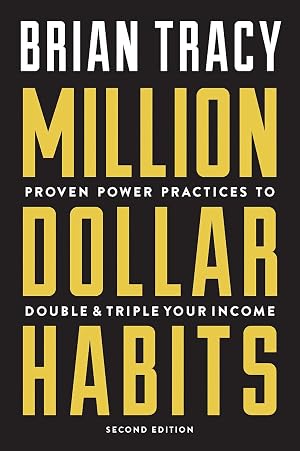
Million Dollar Habits
Brian Tracy
Proven Power Practices to Double and Triple Your Income
4.5 (389) mins
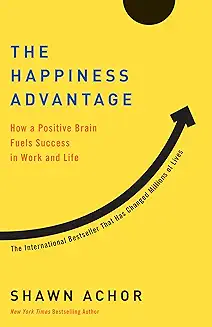
The Happiness Advantage
Shawn Achor
The Seven Principles that Fuel Success and Performance at Work
4.4 (936)34 mins
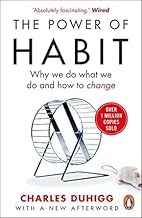
The Power of Habit
Charles Duhigg
Why We Do What We Do in Life and Business
4.3 (3181)30 mins
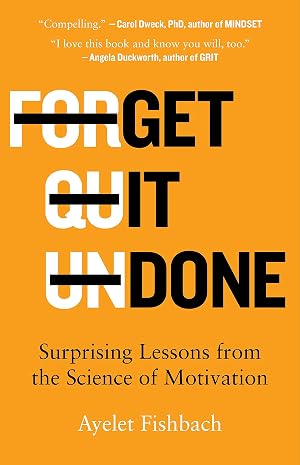
Get It Done
Ayelet Fishbach
Surprising Lessons from the Science of Motivation
4.3 (171) mins