

Guns, Germs, and Steel Summary
By Jared Diamond
The Fates of Human Societies
Summary preview
Why did Europeans conquer so much of the world instead of being conquered by others? Why did steel swords, writing, ocean ships, and deadly epidemics flow in some directions and not in others? That simple but explosive question sits at the heart of this book. It begins with a conversation in New Guinea, where a local politician named Yali asks why white people brought so much cargo to his people, while New Guineans had so little cargo of their own. Behind that question stands a much bigger one about history itself. Why have human societies developed at such different speeds, and why did those differences lead to such unequal power? The answer offered here is both startling and deeply human. It is not about intelligence. It is not about some peoples being more creative, more hardworking, or more worthy than others. The whole point is to sweep away those lazy and poisonous explanations. Human history, the book argues, took different paths because environments were different. Geography shaped food production. Food production shaped population size, disease, technology, political organization, and writing. And those forces, over many centuries, produced guns, germs, and steel. That argument unfolds across a huge sweep of time, from the end of the last Ice Age to the modern world. Jared Diamond moves from Fertile Crescent farmers to Inca emperors, from Polynesian voyagers to African kingdoms, from Chinese inventions to Spanish horsemen in the Americas. Again and again, he shows that chance distributions of plants, animals, continents, and climate mattered far more than any built in difference among human groups. The broad pattern of conquest and survival was not inevitable because one people was superior. It emerged because some regions had better access to domesticable crops and animals, easier east west spread of those advantages, and denser populations that generated both innovation and epidemic disease. This makes the book feel like a detective story written on a planetary scale. Every familiar event gets turned over and reexamined. Why did farming begin early in some places but not others? Why did Native Americans have llamas but no horses, no cows, and no devastating epidemic diseases of their own? Why did China so often unite while Europe stayed divided? Why did small bands of Spanish soldiers overpower vast American empires? The answers do not come from heroic myths. They come from ecology, biology, archaeology, and plain observation. What makes the journey so gripping is that it keeps returning to ordinary realities. What can people eat? Which wild grasses have big seeds? Which animals can be tamed without turning vicious or panicking? How quickly can a crop move across a continent? What happens when people live close to livestock for thousands of years? Those practical details become the hidden machinery of world history. By the end, the rise of empires looks less like a mystery and more like the long echo of geography acting through human societies.
Sign up to continue reading
Get access to full book summaries, audio of the summaries, and many more.
Similar Books
Books with a similar vibe—explore more like this.
Novacene
James Lovelock
The Coming Age of Hyperintelligence
4.4 (554)25 mins
The Song of Roland
Anonymous
Enter a World of Medieval Heroism, Where Honor Reigns Supreme
4.9 (3)20 mins
Utilitarianism
John Stuart Mill
Explore a Timeless Ethics Classic
4.8 (46)24 mins
Every Living Thing
Jason Roberts
The Great and Deadly Race to Know All Life
4.8 (7) mins
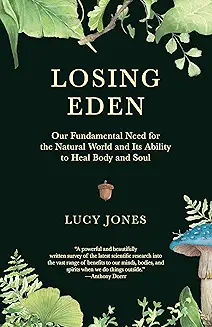
Losing Eden
Lucy Jones
Why Our Minds Need the Wild
4.6 (641)28 mins
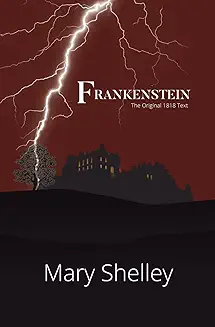
Frankenstein
Mary Shelley
The Modern Prometheus
4.6 (419)24 mins
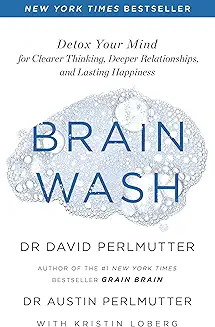
Brain Wash
David Perlmutter
Detox Your Mind for Clearer Thinking, Deeper Relationships, and Lasting Happiness
4.6 (1203)29 mins

I Am Malala
Malala Yousafzai
The Girl Who Stood Up for Education and Was Shot by the Taliban
4.6 (720)35 mins
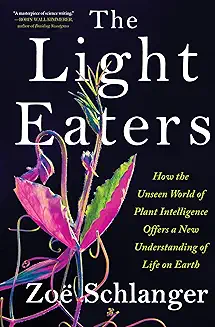
The Light Eaters
Zoë Schlanger
How the Unseen World of Plant Intelligence Offers a New Understanding of Life on Earth
4.6 (527)21 mins
The Watchman's Rattle
Rebecca D. Costa
Thinking Our Way Out of Extinction
4.6 (10) mins