
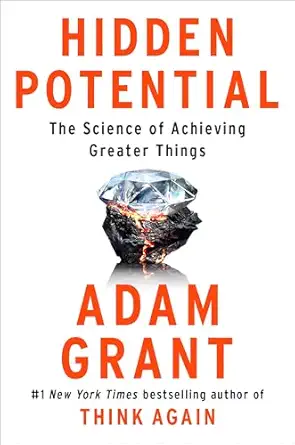
Hidden Potential Summary
By Adam Grant
The Science of Achieving Greater Things
Summary preview
Some people seem to burst into the world already polished. They are the child prodigies, the fast learners, the naturals who make hard things look easy. We admire them, envy them, and often assume they hold a special kind of promise the rest of us do not. Hidden Potential asks you to look again. It argues that greatness is not reserved for the people who start with the most obvious gifts. More often, it grows in the people who learn to build character, develop systems for improvement, and create environments where growth can happen again and again. The heart of the book is a simple but powerful shift in attention. Instead of asking who is the smartest, the most talented, or the quickest to shine, Adam Grant asks who is getting better. He invites you to care less about the height of a person’s peak and more about the slope of their climb. That change matters because early brilliance can distract us. It can make us overlook late bloomers, underestimate strivers, and forget that potential is not a fixed trait hidden inside a person like a sealed box. It is something that can be unlocked through effort, support, and the right kind of practice. What makes this idea feel alive is the way it is grounded in vivid stories. You meet people who were counted out early, only to surpass those who looked more gifted at the start. You see teachers who redesign classrooms so students learn to think, not just perform. You see coaches who focus less on motivation speeches and more on habits, discipline, and the culture around a team. Again and again, the message is that progress depends on character skills that are often undervalued because they are quieter than talent. Persistence, humility, curiosity, self control, and the willingness to seek discomfort end up mattering more than many of us realize. The book also pushes back against a common myth about success. We like stories that celebrate individual heroes. We imagine people rising through sheer will and exceptional ability. But hidden potential does not grow in isolation. It needs scaffolding. It needs mentors who challenge and believe in us, peers who push us, and systems that reward improvement rather than just perfection. When schools, workplaces, and communities are built around proving yourself, many people shrink. When they are built around developing yourself, far more people can thrive. This is not a book telling you to simply work harder. It is a book about working in wiser ways and about seeing people more generously. It asks you to notice the learners who struggle before they soar, the teammates who make others better, and the ordinary routines that produce extraordinary growth over time. By the end, you are left with a hopeful idea. The future does not belong only to the people who show the most talent first. It belongs to the people and the cultures that know how to keep growing.
Sign up to continue reading
Get access to full book summaries, audio of the summaries, and many more.
Similar Books
Books with a similar vibe—explore more like this.
Bounce
Matthew Syed
The Myth of Talent and the Power of Practice
4.5 (983)30 mins
Surrender to Lead
Jessica Kriegel, Joe Terry
The Counterintuitive Approach to Driving Extraordinary Results
4.9 (7) mins

Girl Code
Cara Alwill Leyba
Secrets to Sanity and Success for the Female Entrepreneur
4.9 (4) mins
The Gift of Struggle
Bobby Herrera
Life-Changing Lessons About Leading
4.8 (22)21 mins
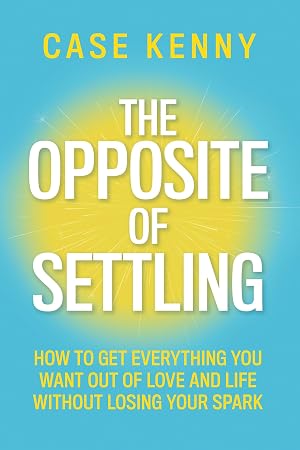
The Opposite of Settling
Case Kenny
Get What You Want in Love and Life, Without Losing Your Spark
4.8 (13) mins
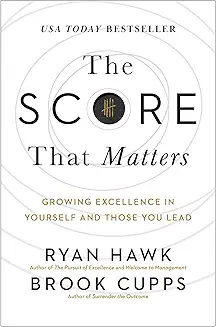
The Score That Matters
Ryan Hawk, Brook Cupps
Growing Excellence in Yourself and Those You Lead
4.7 (368)17 mins
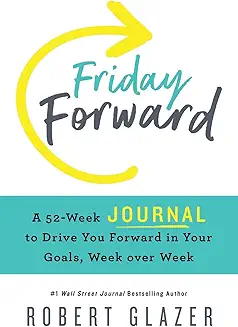
Friday Forward
Robert Glazer
Inspiration & Motivation to End Your Week Stronger Than It Started
4.6 (385)25 mins
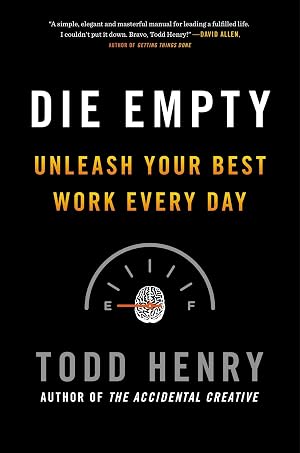
Die Empty
Todd Henry
Unleash Your Best Work Every Day
4.6 (40)22 mins
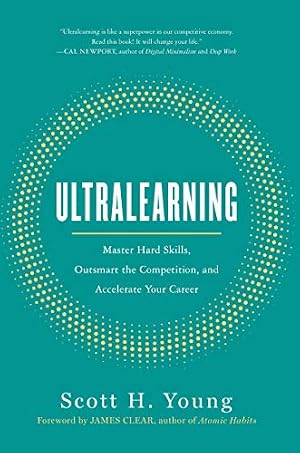
Ultralearning
Scott H. Young
Accelerate Your Career, Master Hard Tasks and Outsmart the Competition
4.6 (328) mins
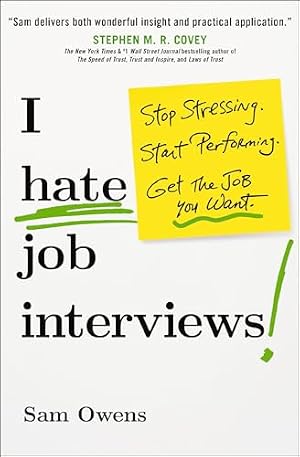
I Hate Job Interviews
Sam Owens
Stop Stressing. Start Performing. Get the Job You Want.
4.6 (6) mins