

How to Talk So Kids Will Listen Summary
By Faber & Mazlish
The parenting bible
Summary preview
If you have ever stood in a kitchen, a hallway, a supermarket aisle, or beside a child’s bed and thought, Why is every simple moment turning into a struggle, you are in the right place. This book begins with a plain, hopeful idea. Children do not need louder adults, sharper lectures, or more polished punishments. They need to be spoken to in ways that respect their feelings, invite their cooperation, and protect their dignity. And the surprise is that when we learn how to do that, our own lives become easier too. The heart of the book is not control. It is connection. Again and again, the message is that children are far more likely to listen when they feel listened to. They are far more likely to work with us when they do not feel pushed into a corner. So much of family life becomes tense because adults think they must correct, hurry, judge, or fix every feeling the moment it appears. A child complains, refuses, cries, argues, dawdles, hits, sulks, or lies. The grown up jumps in with advice, logic, blame, or threats. Then both sides feel worse. What this book offers instead is a set of practical ways to interrupt that painful cycle. You can feel, all through these pages, that this wisdom was not made in a distant office. It grew out of real family life, real mistakes, real desperation, and real change. The writers, Faber & Mazlish, do not speak from a mountaintop. They speak like people who have wrestled with the same scenes you know well. The child who will not put on shoes. The sibling war that erupts over nothing. The homework battle that drains the evening. The harsh label that slips out of a tired parent’s mouth and seems to stick. Their approach is gentle, but it is never vague. It is concrete, specific, and full of examples that let you hear the exact shift from unhelpful words to helpful ones. What makes the book so enduring is its faith in small changes. You do not need to become a perfect parent or teacher. You do not need endless patience or saintly calm. You need a few new habits of speech and attention. Instead of dismissing feelings, you acknowledge them. Instead of accusing, you describe what you see. Instead of punishing, you invite problem solving. Instead of forcing a child into a role, you create chances for the child to see himself differently. These changes may sound modest, but they can transform the emotional climate of a home. By the end, you come away with more than tips. You come away with a different picture of children and of yourself. You begin to see conflict not as proof that someone has failed, but as an invitation to communicate better. You begin to hear how words can wound or heal, trap or free, inflame or calm. And you begin to trust that respect is not softness. It is one of the strongest tools...
Sign up to continue reading
Get access to full book summaries, audio of the summaries, and many more.
Similar Books
Books with a similar vibe—explore more like this.

Parenting
Andy & Sandra Stanley
Getting It Right
4.6 (43) mins
The Power of Neurodiversity
Thomas Armstrong
Unleashing the Advantages of Your Differently Wired Brain
4.5 (829)27 mins
The Montessori Toddler
Simone Davies
A Parent's Guide to Raising a Curious and Responsible Human Being
4.4 (1283)29 mins
Drama Free
Nedra Glover Tawwab
A Guide to Managing Unhealthy Family Relationships
4.4 (582)23 mins
Fourteen Talks by Age Fourteen
Michelle Icard
The Essential Conversations You Need to Have with Your Kids Before They Start High School
4.2 (296)22 mins
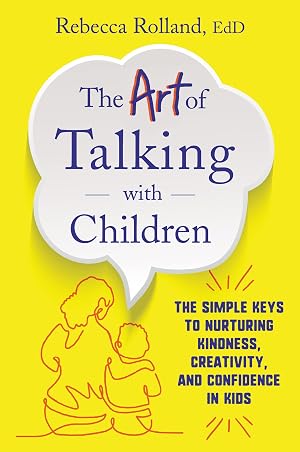
The Art of Talking with Children
Rebecca Rolland
Nurturing Kindness, Creativity, and Confidence in Kids
4.1 (7)24 mins

Sexploitation
Cindy Pierce
Helping Kids Develop Healthy Sexuality in a Porn-Driven World
3.9 (7) mins
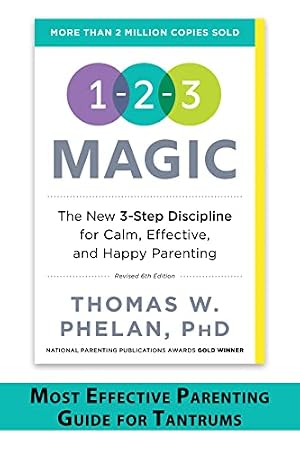
1-2-3 Magic
Thomas W. Phelan
Effective Discipline for Children 2-12
3.7 (27)23 mins
Cold Calling Sucks (And That's Why It Works)
Nick Cegelski, Armand Farrokh
A Step-by-Step Guide to Calling Strangers in Sales
4.8 (459)20 mins
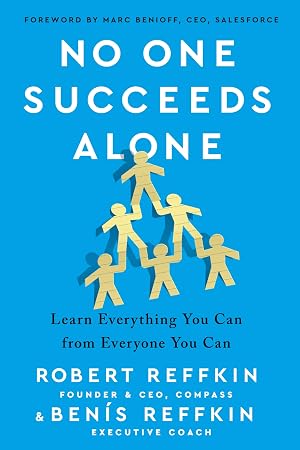
No One Succeeds Alone
Robert Reffkin
Learn Everything You Can from Everyone You Can
4.8 (9) mins