

Make Time
By Jake Knapp & John Zeratsky
How to Focus on What Matters Every Day
Introduction
Most of us wake up with good intentions. We want to do something that matters, feel present with the people we love, and end the day thinking, yes, that was a day I actually lived. But somewhere between the buzzing phone, the endless email, the meetings, the errands, the news, the social feeds, and the couch at night, the day slips away. We are busy all the time, yet strangely unsure what all that busyness is for. That is the problem at the heart of Make Time by Jake Knapp & John Zeratsky. The book is not really about productivity in the usual sense. It is not about squeezing more tasks into every hour or turning yourself into a machine. It is about making deliberate choices so your time reflects what matters to you. The big idea is simple and refreshing. Time does not just appear. Focus does not just happen. Energy does not take care of itself. Modern life is full of defaults, and most of those defaults are built by other people for their goals, not yours. Your inbox wants you checking. Social media wants you scrolling. Breaking news wants you reacting. Entertainment wants you binging. Work culture often wants you available all the time. If you do not actively choose what gets your attention, the world will choose for you. The result is a life that feels crowded but thin, full but somehow empty. The book offers a practical answer. Instead of trying to overhaul your whole life, you build each day around a small set of habits called tactics. These tactics live inside a flexible daily system with four parts. Highlight, Laser, Energize, and Reflect. First, you pick one thing that will make the day feel meaningful. Then you create the conditions for deep focus. Then you support your body and mind so attention becomes possible. Finally, you look back, learn what worked, and adjust. It is personal, experimental, and forgiving. There is no single perfect routine, only a process of noticing what helps you live better. What makes this approach feel so alive is that it comes from experience, not theory. The ideas were shaped through real struggles with overload, distraction, ambitious jobs, and shiny technology. There is honesty here about how hard it is to resist devices, how easy it is to drift into default behavior, and how much better life feels when you protect a few hours for what really counts. The message is not that technology is evil or that busyness is a moral failure. The message is that attention is precious, and you can reclaim more of it than you think. So the book becomes a kind of field guide for modern life. It asks a very human question. What would your days feel like if you stopped living on autopilot? And then it answers with concrete, inventive, often playful ideas you can try right away. The goal is not perfection. The goal is to make time for the things that...
Sign up to continue reading
Get access to full book summaries, audio of the summaries, and many more.
Similar Books
Books with a similar vibe—explore more like this.
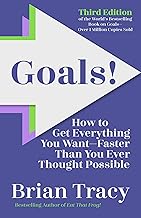
Goals!
Brian Tracy
How to Get Everything You Want – Faster Than You Ever Thought Possible
4.8 (929)29 mins
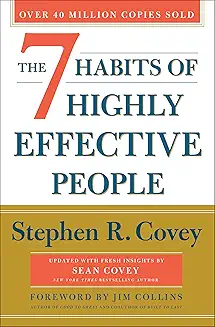
The 7 Habits of Highly Effective People
Stephen R. Covey
Powerful Lessons in Personal Change
4.7 (2172)35 mins

A Promised Land
Barack Obama
The first memoir of Barack Obama, the 44th president of the United States
4.7 (3246)38 mins
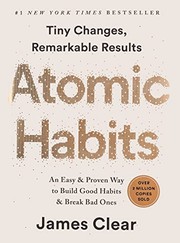
Atomic Habits
James Clear
An Easy & Proven Way to Build Good Habits & Break Bad Ones
4.6 (21572)29 mins
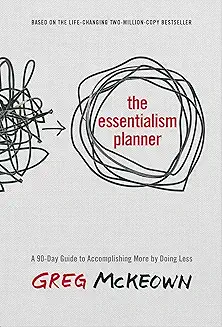
Essentialism
Greg McKeown
The Disciplined Pursuit of Less
4.6 (367)34 mins
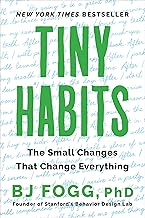
Tiny Habits
BJ Fogg
The Small Changes that Change Everything
4.6 (1075)29 mins
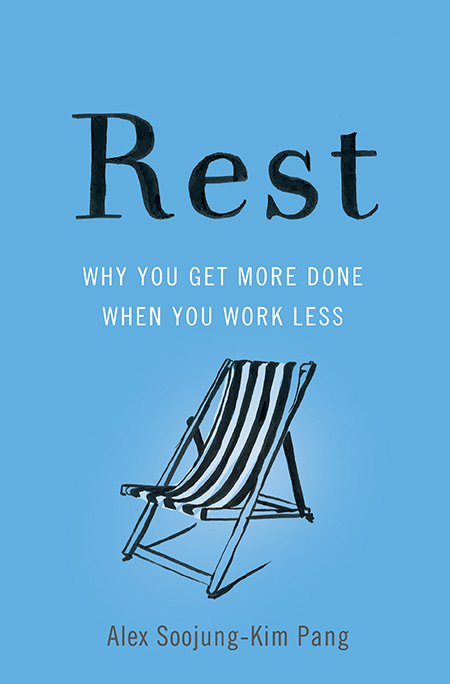
Rest
Alex Soojung-Kim Pang
Why You Get More Done When You Work Less
4.6 (313)30 mins
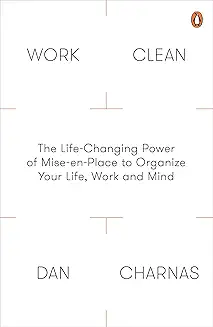
Work Clean
Dan Charnas
The life-changing power of mise-en-place to organize your life, work, and mind
4.6 (368)23 mins
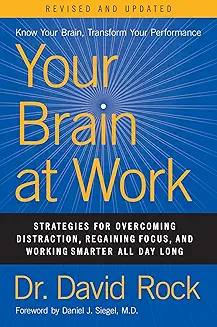
Your Brain at Work
David Rock
Strategies for Overcoming Distraction, Regaining Focus, and Working Smarter All Day Long
4.6 (1428)32 mins
Buy Back Your Time
Dan Martell
Get Unstuck, Reclaim Your Freedom, and Build Your Empire
4.6 (792)23 mins