

My Grandmother's Hands Summary
By Resmaa Menakem
Racialized Trauma and the Pathway to Mending Our Hearts and Bodies
Summary preview
Welcome, dear reader, to a journey that touches the deepest layers of our shared human experience. In this exploration, we delve into a groundbreaking work that speaks not only to our minds but to our bodies as well. The book we explore today invites us to consider that the wounds of racism do not fade with time or silence but are often carried in our very flesh. It is a heartfelt invitation to discover how generational trauma and embodied pain have subtly inscribed themselves on the tapestry of our lives, a narrative that is as personal as it is political. Imagine the echoes of our ancestors resonating in every gesture, every moment of quiet reflection. This work encourages us to acknowledge that our bodies remember the struggles, the pain, and even the resilience of those who came before us. The narratives shared in its pages provide a roadmap to understanding not only what has been inflicted upon us but also what can be healed from deep within. It is a warm conversation about the intersections of historical injustice and personal healing, inviting us to witness the invisible scars that are carried by communities across generations. In the process, it teaches us that healing is not simply an emotional or intellectual process but an embodied journey that requires us to return to our senses and roots. Throughout these pages, we learn how the language of the body tells a story that words alone cannot capture. There is an emphasis on the significance of small gestures, the touch of a hand, and the memory held within our muscles. With a gentle yet incisive tone, the book challenges us to re-think how we view and address trauma. Its narrative bridges the gap between the external realities of racism and the inner landscapes of our physical selves. This approach calls on us to engage with our own bodies in the healing process, acknowledging that recovery involves not just the mind but the living vessel that is our body. As we embark on this reflective journey, you will encounter insights that are both challenging and deeply affirming. The text offers an intimate look at the intergenerational transmission of trauma and the ways in which systemic injustices manifest in our bodily expressions. It is a work that does not shy away from revealing the raw and often painful truths of lived experience, while still holding out the promise of renewal and healing. So, come with an open heart and a willingness to look inward, as we trace the contours of embodied history, and learn that by understanding our body’s language, we can begin to mend the fractures of the past.
Sign up to continue reading
Get access to full book summaries, audio of the summaries, and many more.
Similar Books
Books with a similar vibe—explore more like this.
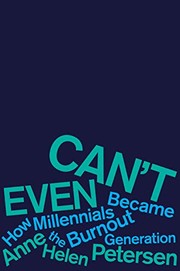
Can't Even
Anne Helen Petersen
How Millennials Became the Burnout Generation
4.4 (429)23 mins

The Catcher in the Rye
J.D. Salinger
A Coming-Of-Age Classic on Belonging and Teenage Alienation
4.3 (503)29 mins
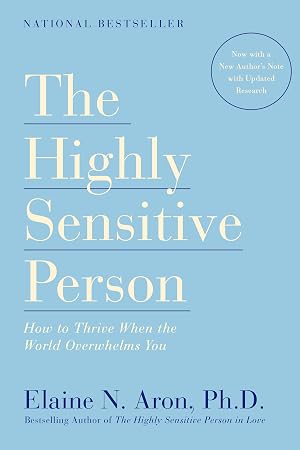
The Highly Sensitive Person
Elaine N. Aron
How to Thrive When the World Overwhelms You
4.3 (175) mins
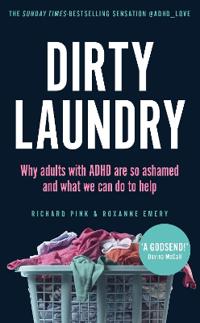
DIRTY LAUNDRY
Richard Pink & Roxanne Emery
Why Adults with ADHD Are So Ashamed and What We Can Do to Help
4.2 (510)24 mins
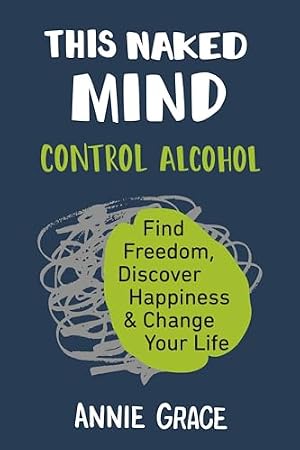
This Naked Mind
Annie Grace
Control Alcohol, Find Freedom, Discover Happiness & Change Your Life
4.2 (38) mins
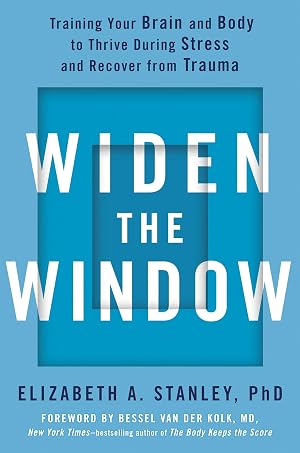
Widen the Window
Elizabeth A. Stanley
Training Your Brain and Body to Thrive During Stress and Recover from Trauma
4.8 (158) mins
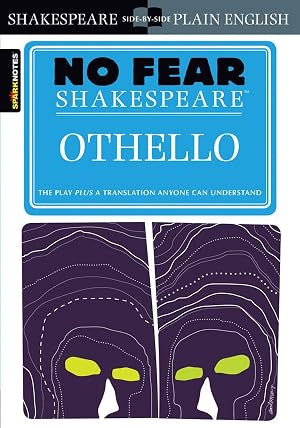
Othello
William Shakespeare
Love, Betrayal, and the Fall of a Hero
4.8 (14) mins

We Have Always Lived in the Castle
Shirley Jackson
Enter a Disturbing Labyrinth of Family Secrets and Dark Neurosis
4.8 (5) mins
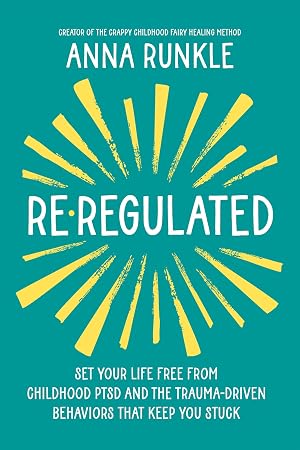
Re-Regulated
Anna Runkle
Set Your Life Free from Childhood PTSD
4.8 (10) mins
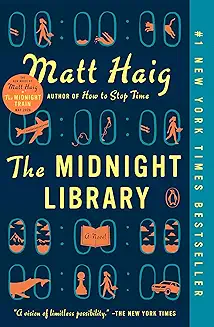
The Midnight Library
Matt Haig
A Fantasy Novel About the Choices That Lead to a Life Well-Lived
4.7 (4782)32 mins