

Siddhartha Summary
By Hermann Hesse
Rediscover the Meaning of Life With This Classic
Summary preview
There are books that tell a story, and there are books that sit beside you like a quiet friend and ask a harder thing of you. Not what happened, but what is true. Siddhartha is such a book. It follows the life of a thoughtful young man in ancient India who has every gift that should make a life complete. He is intelligent, admired, disciplined, loved by his father, and deeply respected by his friend Govinda. And yet his heart is restless. The prayers, the rituals, the learning, the sacred verses, all these seem beautiful, but they do not give him what he seeks. He wants not borrowed wisdom but direct knowledge. He wants to touch the core of life with his own hands. That longing is the whole pulse of the book. The story moves outward through forests, villages, cities, gardens, gambling houses, ferries, and the riverbank, but inward it turns around a single question. Can truth be taught, or must it be lived? The answer does not come quickly. It comes through hunger and desire, pride and loss, silence and listening. It comes through the body no less than through the spirit. The young seeker who leaves home to become an ascetic is not finished when he has conquered thirst and pain. Nor is he fulfilled when he learns love, wealth, and pleasure. Every path gives him something and takes something. Each one breaks a little of his certainty. What makes the book endure is its gentle insistence that life cannot be cut into clean pieces. The holy and the worldly are not enemies forever. The sinner and the saint are not two separate beings. The child, the lover, the merchant, the wanderer, the ferryman, all belong to one stream. Hermann Hesse tells this tale like a dream that is also a lesson, clear and simple on the surface, deep and echoing underneath. The language has the calm of a parable, yet beneath that calm you can feel struggle, vanity, grief, tenderness, and awakening. The Buddha appears in the story, but this is not a retelling of his life. It is the journey of another man who lives near that great light and still must find his own way. Siddhartha is not satisfied with reverence alone. He listens, he honors, but he cannot remain a disciple where his soul demands experience. That choice sends him into error as much as insight. And that is the quiet daring of the book. It says that a human being may need to lose himself before he can hear the music that was always present. What unfolds, then, is not a march toward success, but a ripening. By the end, wisdom looks very different from the ideal Siddhartha chased as a young man. It is softer, fuller, less eager to judge. It can smile. It can wait. It can listen. It can love the whole world without trying to force it into a doctrine. This story invites you to do the same,...
Sign up to continue reading
Get access to full book summaries, audio of the summaries, and many more.
Similar Books
Books with a similar vibe—explore more like this.
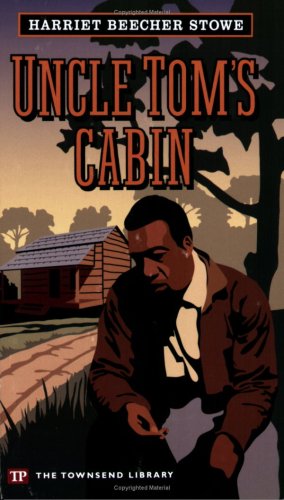
Uncle Tom's Cabin
Harriet Beecher Stowe
The Problem of Slavery and Its Treatment of Human Beings
4.7 (41)25 mins

The Faerie Queene
Edmund Spenser
Discover an Epic Tale of Virtue, Myth, and Magic in This Classic
3.1 (6) mins
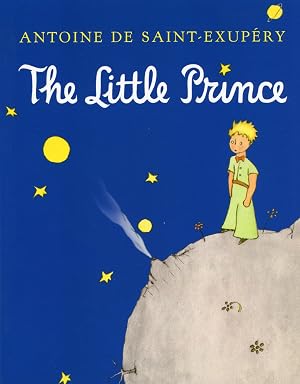
The Little Prince
Antoine de Saint-Exupéry
A Tale About the Human Condition and the Search for Happiness
4.9 (36) mins
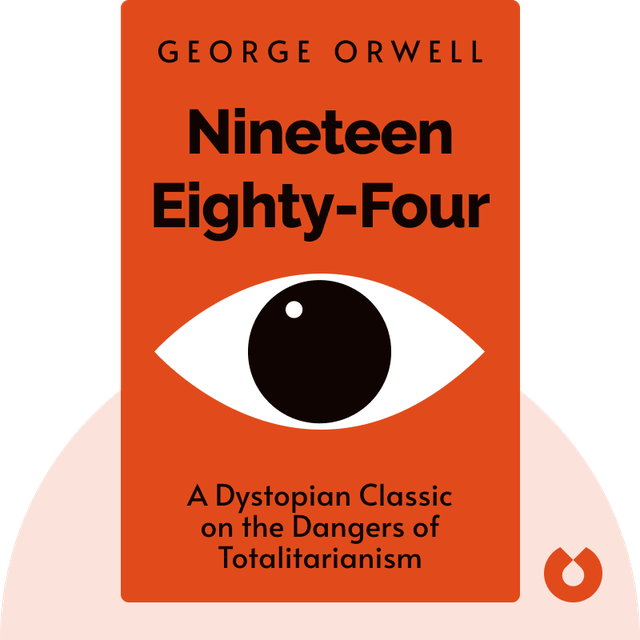
Nineteen Eighty-Four (1984)
George Orwell
A Dystopian Classic on the Dangers of Totalitarianism
4.9 (697) mins

The Song of Roland
Anonymous
Enter a World of Medieval Heroism, Where Honor Reigns Supreme
4.9 (3) mins

Hamlet
William Shakespeare
A Young Prince's Tragic Descend Into Madness and Revenge
4.8 (43) mins
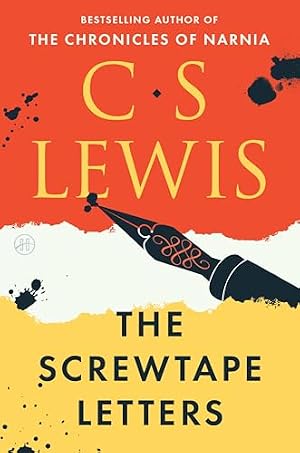
The Screwtape Letters
C.S. Lewis
Letters from a Senior to a Junior Devil
4.8 (47) mins

Little Women
Louisa M. Alcott
A Coming-of-Age Novel about True Love and Finding One's Place in Life
4.8 (19) mins

We Have Always Lived in the Castle
Shirley Jackson
Enter a Disturbing Labyrinth of Family Secrets and Dark Neurosis
4.8 (5) mins
The Adventures of Huckleberry Finn
Mark Twain
Freedom, Civilization, and Prejudice in the Pre-Civil War South
4.8 (62) mins