
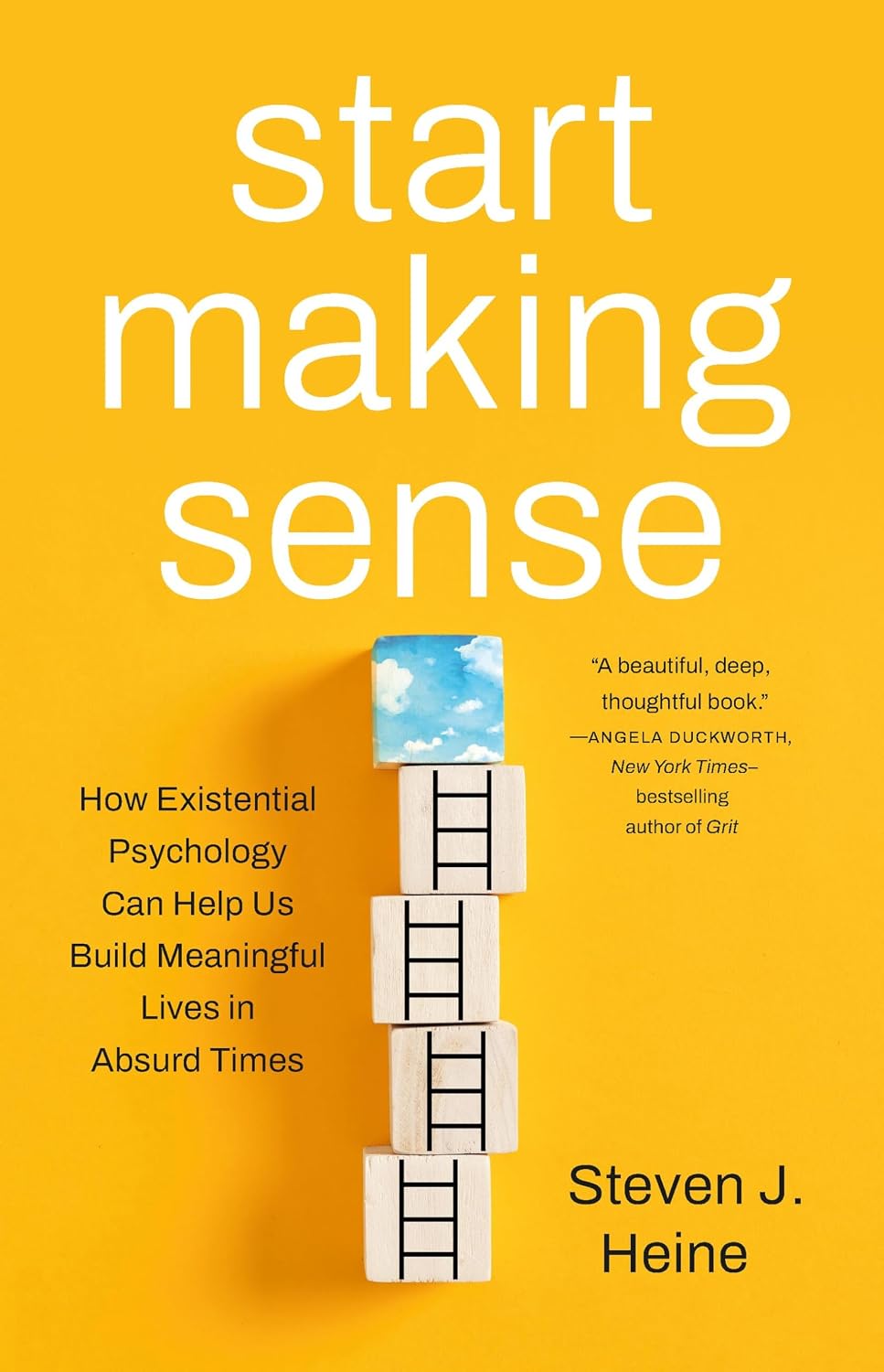
Start Making Sense Summary
By Steven J Heine
How Existential Psychology Can Help Us Build Meaningful Lives in Absurd Times
Summary preview
Start Making Sense is a book about one of the most exciting moments in a young person’s life. It is the moment when school starts to move out of the world of rules, grades, and routines, and into the world of purpose. The big question running through these pages is simple but powerful. Why do we learn what we learn, and how do we make that learning matter in real life? Steven J Heine writes for students who are standing at the edge of adulthood and trying to figure out what comes next. He is not interested in giving stiff advice or lofty speeches. He wants to pull back the curtain on college and show it as a place where people learn to think, question, connect, and grow. The book is not really about collecting credits or chasing a diploma. It is about building a mind that can notice patterns, weigh evidence, talk across differences, and make better choices in a messy world. At the heart of the book is the idea of liberal arts education, though it is presented in a practical and human way rather than as some fancy slogan. The point is not to become an expert in everything. The point is to learn how different fields each offer a special way of seeing. Psychology helps you understand behavior. Biology helps you understand life. History helps you see where today came from. Literature helps you imagine another person’s inner world. Statistics helps you tell the difference between truth and noise. When you begin to put these ways of seeing together, the world starts to feel less random. It starts making sense. The book walks through the kinds of habits that higher education can nurture when it is approached with curiosity and courage. It talks about critical thinking, writing, discussion, research, and the willingness to change your mind. It also addresses common student worries. What is college for? How should you choose courses? What do employers actually value? How do you deal with uncertainty when you do not yet know your path? Again and again, the answer is not that you must have everything figured out. The answer is that learning itself is training for life. There is also a deeper promise here. Education is not only a tool for getting a job, though it can certainly help with that. It is a way of becoming more awake. It helps you understand yourself, your community, and the larger systems shaping your future. It prepares you to act with more wisdom in relationships, work, and citizenship. That is the spirit that carries the whole book. College, at its best, is not a holding tank before real life begins. It is real life. And if you engage with it fully, you do not just earn credentials. You learn to make meaning.
Sign up to continue reading
Get access to full book summaries, audio of the summaries, and many more.
Similar Books
Books with a similar vibe—explore more like this.
Psychological Types
Carl Jung
Collected works from the supreme theorist of the conscious
4.7 (89) mins
Consciousness Explained
Daniel C. Dennett
Redefine Your Understanding of the Mind and Consciousness
4.4 (42) mins
Critical Thinkers
Albert Rutherford
Methods for Clear Thinking and Analysis in Everyday Situations from the Greatest Thinkers in History
4.2 (392)30 mins
The Art of the Good Life
Rolf Dobelli
52 Surprising Shortcuts to Happiness, Wealth, and Success
4.0 (842)34 mins
Beyond the Pleasure Principle
Sigmund Freud
Delve Into Unconscious Desires
3.9 (20) mins
Believe It to Achieve It
Brian Tracy, Christina Stein
Overcome Your Doubts, Let Go of the Past, and Unlock Your Full Potential
4.8 (32) mins
Othello
William Shakespeare
Love, Betrayal, and the Fall of a Hero
4.8 (14) mins
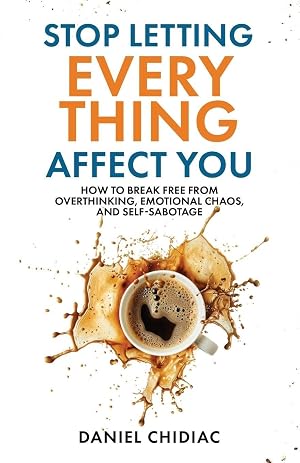
Stop Letting Everything Affect You
Daniel Chidiac
Break Free from Overthinking, Emotional Chaos, and Self-Sabotage
4.8 (12) mins
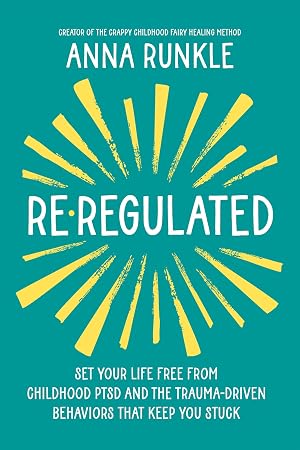
Re-Regulated
Anna Runkle
Set Your Life Free from Childhood PTSD
4.8 (10) mins
A Handbook for New Stoics
Massimo Pigliucci and Gregory Lopez
How to Thrive in a World Out of Your Control
4.7 (884)29 mins