

The 48 Laws of Power Summary
By Robert Greene
The secret methods to getting what you want
Summary preview
Power is always there, whether people admit it or not. It moves under polite conversation, behind friendly smiles, inside great courts, businesses, families, and nations. You can pretend to live outside it, but the game continues without you. That is the hard truth at the heart of The 48 Laws of Power. The book asks you to stop being naive. It invites you to look at the world as it is, not as you wish it to be. People compete. They disguise their motives. They protect their interests. They seek control, safety, admiration, influence. If you do not understand this, you become prey for those who do. Robert Greene presents power not as a moral sermon but as a field guide. He gathers examples from emperors, queens, diplomats, swindlers, artists, generals, courtiers, and survivors. Their stories come from many centuries and many cultures, yet they repeat the same patterns. The weak reveal too much. The proud offend the wrong person. The clever hide intention behind charm. The patient let others destroy themselves. Again and again, success comes not only to the strongest but to the most strategic, the most observant, and the most disciplined. The spirit of the book is blunt, theatrical, and deeply practical. It does not ask whether power should exist. It shows you how it works. Some laws teach self protection. Some teach timing. Some teach performance, concealment, and control. Some warn against common traps, such as outshining a superior, trusting friends too easily, speaking too much, or stepping into battles that cannot be won. Others reveal how appearances shape reality, how reputation becomes a fortress, and how people can be led through desire, fear, vanity, and hope. What makes the book memorable is that each law comes alive through vivid stories. A minister rises by making a king depend on him. A favorite falls because he becomes too visible. A master strategist wins by refusing the fight his enemy expects. A ruler secures loyalty by mixing generosity with awe. To illustrate each point, the book turns history into a mirror. You begin to see that courts have not vanished. They have simply changed clothes. The palace may now be an office, a media platform, a social circle, or a political machine. Read in that spirit, this is not only a manual for conquest. It is also a manual for seeing. It trains your eye to notice vanity, ambition, insecurity, manipulation, and opportunity. It teaches that power belongs to those who can master themselves before they try to master others. If you can read motives, guard your weaknesses, and shape the image others carry of you, you stop moving blindly. You enter the game awake.
Sign up to continue reading
Get access to full book summaries, audio of the summaries, and many more.
Similar Books
Books with a similar vibe—explore more like this.
Surrender to Lead
Jessica Kriegel, Joe Terry
The Counterintuitive Approach to Driving Extraordinary Results
4.9 (7) mins

The Gift of Struggle
Bobby Herrera
Life-Changing Lessons About Leading
4.8 (22)21 mins
The Score That Matters
Ryan Hawk, Brook Cupps
Growing Excellence in Yourself and Those You Lead
4.7 (368)17 mins

Distancing
L. David Marquet, Michael A. Gillespie
How Great Leaders Reframe to Make Better Decisions
4.7 (22) mins
I Hate Job Interviews
Sam Owens
Stop Stressing. Start Performing. Get the Job You Want.
4.6 (6) mins

The Art of Encouragement
Jordan Montgomery
How to Lead Teams, Spread Love, and Serve from the Heart
4.6 (13) mins
Conquering Crisis
Admiral William H. McRaven
Ten Lessons to Learn Before You Need Them
4.6 (8) mins
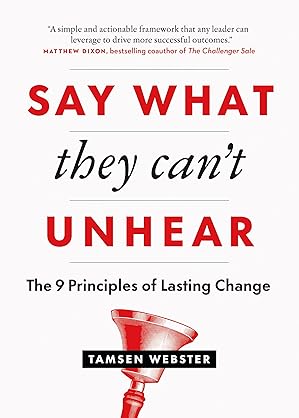
Say What They Can't Unhear
Tamsen Webster
The 9 Principles of Lasting Change
4.5 (212)32 mins
Negotiation Made Simple
John Lowry
A Practical Guide for Solving Problems, Building Relationships, and Delivering the Deal
4.5 (517)20 mins
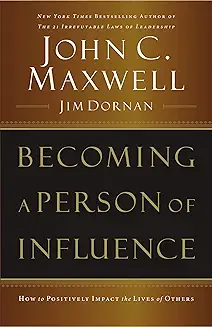
Becoming a Person of Influence
John C. Maxwell, Jim Dornan
How to Positively Impact the Lives of Others
4.5 (365)18 mins