

The 5 Love Languages Summary
By Gary Chapman
The Secret to Love That Lasts
Summary preview
Most people do not get married hoping to feel alone. They do not begin a friendship or build a family expecting years of misunderstanding. At the start, love often feels easy. Words come quickly. Affection is natural. Time together seems to happen without planning. You look at the other person and think, We fit. We understand each other. Yet after a while, many people find themselves asking a painful question. If we love each other, why do we keep missing each other? That question sits at the heart of this book. The answer offered here is both simple and surprisingly powerful. People do not all receive love in the same way. One person feels deeply loved when they hear kind and encouraging words. Another feels loved when someone helps with a task. Someone else longs for time, touch, or a meaningful gift. Love may be present, sincere, and abundant, yet if it is expressed in a language the other person does not naturally understand, it may not be felt. That is where frustration begins. One person says, I am doing everything I know to do. The other says, I know, but I still feel empty. The great insight of The 5 Love Languages is that every person has a primary way of receiving emotional love. When that need is met, the relationship feels warmer, safer, and more alive. When it is neglected, even a stable life can begin to feel cold. The book uses the image of an emotional love tank. When your tank is full, you are better able to give grace, solve conflict, and enjoy life with the people closest to you. When it is empty, little irritations feel larger, distance grows, and love starts to seem like work alone. Gary Chapman writes as a counselor and as a pastor, but above all he speaks like someone who has sat with countless couples and listened carefully to the same ache in different voices. Again and again, he noticed patterns. Husbands and wives were trying to love each other, but they were speaking different emotional languages. That discovery became the foundation of this book. What follows is not a theory floating above real life. It is grounded in ordinary stories of marriages under strain, couples on the edge of giving up, and people who learned that love can be learned, practiced, and translated. The message is hopeful. Love is not only a feeling that arrives on its own. It is also a choice, a discipline, and a way of speaking that can be understood. When you learn the other person’s language, what once felt impossible can begin to change. A home can soften. Resentment can loosen. Two people can begin, sometimes after years of disappointment, to feel loved again.
Sign up to continue reading
Get access to full book summaries, audio of the summaries, and many more.
Similar Books
Books with a similar vibe—explore more like this.
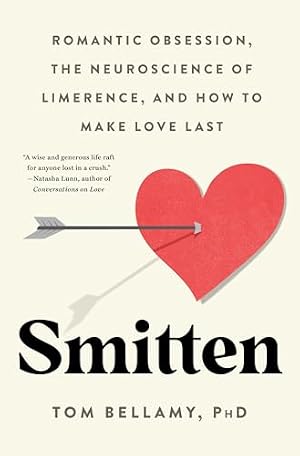
Smitten
Tom Bellamy
Romantic Obsession, the Neuroscience of Limerence, and How to Make Love Last
5.0 (4) mins
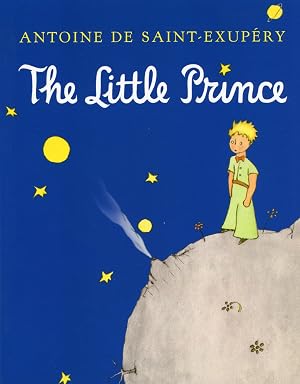
The Little Prince
Antoine de Saint-Exupéry
A Tale About the Human Condition and the Search for Happiness
4.9 (36) mins
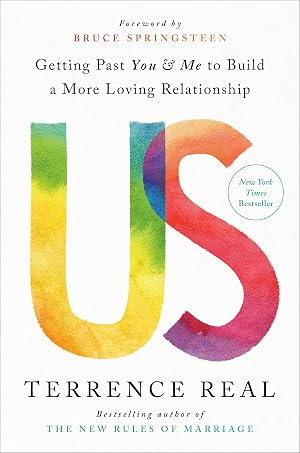
Us
Terrence Real
Getting Past You and Me to Build a More Loving Relationship
4.8 (140) mins
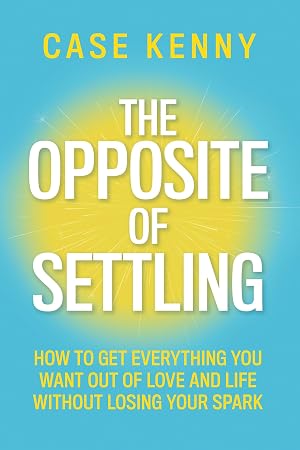
The Opposite of Settling
Case Kenny
Get What You Want in Love and Life, Without Losing Your Spark
4.8 (13) mins
Romeo and Juliet
William Shakespeare
The Tragic Story of Two Star-Crossed Lovers From Feuding Families
4.8 (20) mins

Set Boundaries, Find Peace
Nedra Glover Tawwab
A Guide to Reclaiming Yourself
4.7 (819)27 mins
The School of Life
Alain de Botton and The School of Life
An Emotional Education
4.7 (183) mins
You Can Thrive After Narcissistic Abuse
Melanie Tonia Evans
The #1 System for Recovering from Toxic Relationships
4.7 (35) mins
The Four Noble Truths of Love
Susan Piver
Buddhist Wisdom for Modern Relationships
4.7 (145) mins
The Love Prescription
John Gottman & Julie Schwartz Gottman
Seven Days to More Intimacy, Connection, and Joy
4.7 (94) mins