

The Advantage
By Patrick Lencioni
Why Organizational Health Trumps Everything Else in Business
Introduction
Most leaders spend their days chasing the same things. Better strategy. Better marketing. Better technology. Better finance. Better talent. They go after these because they feel concrete and measurable, and because the business world loves anything that looks smart and sophisticated. But the big argument at the heart of The Advantage is that the real edge in business is not usually found in any of those places. It is found in something far more basic and far more powerful. It is found in organizational health. That idea sounds almost too simple at first. Healthy organizations have less politics and less confusion. They have higher morale and lower turnover. Their meetings are productive. Their people know what matters. They move faster because they do not waste time stepping around dysfunction. And because all of that is rare, it becomes an advantage that is nearly impossible to copy. Anyone can imitate a strategy deck or a compensation plan. It is much harder to imitate a company where people trust one another, speak honestly, rally around a clear set of answers, and repeat those answers until everyone actually gets them. Patrick Lencioni builds the book around a sharp contrast between being smart and being healthy. Being smart matters, of course. No one is arguing that organizations should stop caring about finance, operations, technology, or strategy. But most companies already know how to do those things, or at least know where to get help. What they do not know how to do, or do not have the discipline to do, is the messy human work of creating a healthy organization. That work can feel soft, uncomfortable, and repetitive. It demands vulnerability, courage, and patience. It requires leaders to step into conflict, simplify what matters, and say the same things over and over again. Because it is hard and unfashionable, many leaders avoid it. That is exactly why it becomes such a powerful source of competitive strength. The book is practical from the start. It does not just praise healthy organizations in a vague way. It lays out a clear model for building one. That model has four disciplines. Build a cohesive leadership team. Create clarity. Overcommunicate clarity. Reinforce clarity through every human system in the company. These are not abstract ideals. They are concrete disciplines, and they all begin at the top. If the leaders are not aligned, the rest of the organization will not be either. If leaders have not answered a small set of basic questions about who they are and what they are trying to do, the company will drift. If those answers are not repeated constantly, people will fill the silence with their own assumptions. And if hiring, firing, performance management, and meetings do not reflect those answers, then the whole effort collapses. What makes the book so engaging is that it speaks with unusual directness. It strips away jargon and reminds you that business is, at its core, a human endeavor. The promise running through every page is hopeful...
Sign up to continue reading
Get access to full book summaries, audio of the summaries, and many more.
Similar Books
Books with a similar vibe—explore more like this.
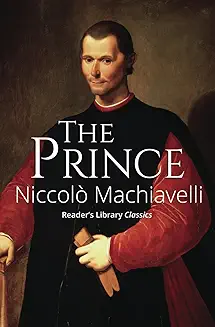
The Prince
Niccolò Machiavelli
Machiavelli’s classic text on leadership and politics
4.6 (973)37 mins
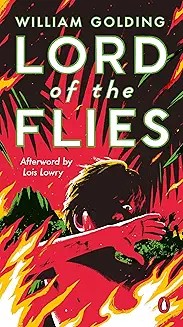
Lord of the Flies
William Golding
A Dystopian Classic on the Dark Side of Human Nature and Survival
4.5 (729)26 mins
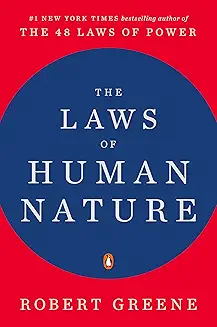
The Laws of Human Nature
Robert Greene
What affects your day-to-day life
4.4 (940)32 mins

Lean In
Sheryl Sandberg
Women, Work, and the Will to Lead
4.3 (292)40 mins
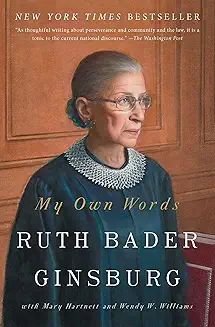
My Own Words
Ruth Bader Ginsburg
Ruth Bader Ginsburg's life and writings in her own words
4.0 (865)33 mins

The Diary of a Young Girl
Anne Frank
The famous story of a Jewish girl who went into hiding during the Second World War
4.8 (192)31 mins
The Brand Benefits Playbook
Allen Weiss, Debbie J. MacInnis
Why Customers Aren't Buying What You're Selling--And What to Do About It
4.8 (803)20 mins
The Splendid and the Vile
Erik Larson
A Saga of Churchill, Family, and Defiance During the Blitz
4.7 (130)45 mins
Made to Stick
Chip Heath and Dan Heath
Why Some Ideas Survive and Others Die
4.7 (573)34 mins
The Toyota Way
The Toyota Way
14 Management Principles from the World's Greatest Manufacturer
4.7 (661)21 mins