
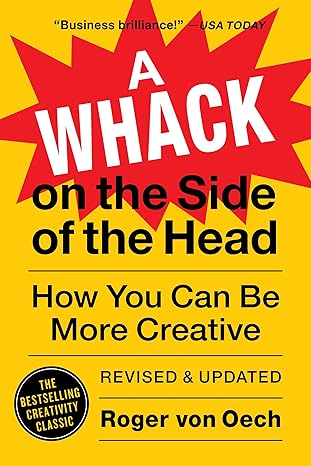
The Art of Learning
By Josh Waitzkin
An Inner Journey to Optimal Performance
Introduction
Some books teach you a skill. This one tries to teach you how to grow. At its heart, The Art of Learning is about what happens when performance stops being a series of isolated wins and becomes a way of life. It is a story about competition, yes, but more deeply it is about transformation. It asks a simple question with huge consequences. How do we get better, not just once, but over and over, under pressure, over time, and in very different worlds? Josh Waitzkin begins with a life that many people think they know from the outside. As a child, he became famous in the chess world and later found himself connected, however imperfectly, to the movie Searching for Bobby Fischer. That early attention could have turned the whole journey into a neat tale about talent, genius, and trophies. Instead, the book pushes hard in the opposite direction. It says that mastery is not about protecting an image of being gifted. It is about falling in love with the learning process itself. It is about refining awareness, staying humble, turning weakness into fuel, and learning to carry calm into chaos. What makes the book so compelling is that it does not stay trapped in one arena. The ideas are tested across radically different disciplines. After rising through elite chess, the author steps into Tai Chi Chuan and then the intense combat sport of push hands. This shift matters. It gives the whole book credibility. The lessons are not presented as little tricks that only work on a chessboard. They are shown to be principles that travel. Pattern recognition, resilience, emotional control, presence, creativity, recovery, and deep practice all prove their worth in new environments. Again and again, the book returns to a few living truths. Growth usually begins when the ego relaxes. Setbacks are often invitations to deepen your understanding. The best competitors do not merely survive pressure. They train themselves to become more precise, more connected, and more alive when the stakes rise. There is also a strong thread of self knowledge running through everything. To perform well, you have to notice your own mind. You have to sense when you are forcing, drifting, tightening, resisting, or losing the thread. Then you have to learn how to come back. The result is part memoir, part training philosophy, part meditation on excellence. It speaks to athletes, artists, students, leaders, and anyone trying to build a craft. More than anything, it offers a way of seeing. Learning is not a line from beginner to expert. It is a practice of subtle refinement. It is the art of turning each moment, even the hard ones, into material for growth.
Sign up to continue reading
Get access to full book summaries, audio of the summaries, and many more.
Similar Books
Books with a similar vibe—explore more like this.
The Let Them Theory
Mel Robbins
A Life-Changing Tool That People Can't Stop Talking About
4.6 (2094)27 mins
Breaking The Habit of Being Yourself
Joe Dispenza
How to Lose Your Mind and Create a New One
4.5 (415)23 mins
Not Nice
Aziz Gazipura
Stop People Pleasing, Staying Silent, & Feeling Guilt and Start Speaking Up, Saying No, Asking Boldly, and Unapologetically Being Yourself
4.5 (414)29 mins
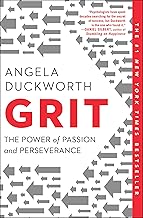
Grit
Angela Duckworth
The Power of Passion and Perseverance
4.5 (1938)32 mins
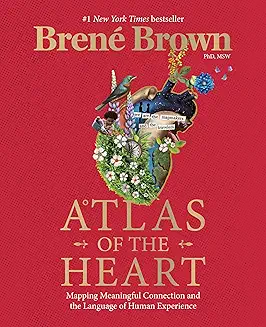
Atlas of the Heart
Brené Brown
Mapping Meaningful Connection and the Language of Human Experience
4.5 (1028)31 mins
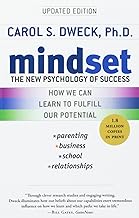
Mindset
Carol Dweck
The New Psychology of Success
4.4 (2959)33 mins
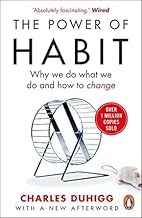
The Power of Habit
Charles Duhigg
Why We Do What We Do in Life and Business
4.3 (3181)30 mins
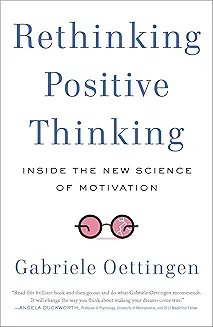
Rethinking Positive Thinking
Gabriele Oettingen
Inside the New Science of Motivation
4.3 (255)23 mins
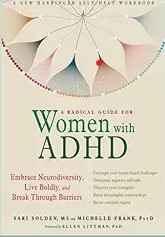
A Radical Guide for Women with ADHD
Sari Solden, Michelle Frank
Embrace Neurodiversity, Live Boldly, and Break Through Barriers
4.2 (253)23 mins
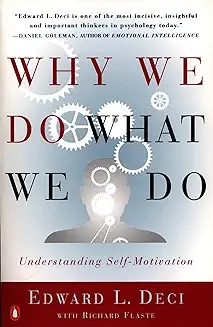
Why We Do What We Do
Edward L. Deci, Richard Flaste
Understanding Self-Motivation
4.1 (266)21 mins