

The Curse of Bigness Summary
By Tim Wu
Antitrust in the New Gilded Age
Summary preview
In The Curse of Bigness, the author invites us into a thoughtful exploration of how the concentration of economic power has altered the fabric of our society. The book challenges the notion that bigger is always better and unpacks the idea that unchecked growth, whether in business or government, comes with hidden costs that affect democracy, innovation, and fairness in the marketplace. With a narrative that is both historically rich and strikingly contemporary, the text shows us that the colossal scale of modern corporations is not a mere byproduct of economic progress but a force that shapes our lives in ways we often overlook. The journey begins with a discussion on the historical roots of monopolies and the evolution of antitrust laws. By revisiting pivotal moments—from the Gilded Age through the transformative decisions in the twentieth century—the author lays a solid foundation to understand how the concentration of market power has repeatedly led to imbalances in society. It is made clear that the bigness of enterprises, while promising economies of scale and efficiencies, often results in a diminished competitive spirit and an erosion of public accountability. Throughout the book, a conversational tone guides us through complex ideas without ever succumbing to academic dryness. Rather than burying readers under technical jargon, the narrative is flavored with accessible language and engaging anecdotes, making it feel as if the author is sitting down in a cozy room, addressing long-time friends about matters of utmost public importance. The exploration is not merely an academic exercise but a call to re-examine our collective acceptance of corporate giants and to confront the trade-offs between economic efficiency and political freedom. The author also stresses that the problems created by concentrated economic power are not incidental; they are at the very heart of our political and social institutions. The history of antitrust enforcement is recounted with its many successes and setbacks, highlighting the continual tug-of-war between those who favor concentrated power and those who advocate for greater dispersion. In doing so, the book lays bare the intricate dance between the market’s invisible forces and the visible hand of government regulation. Above all, The Curse of Bigness is a clarion call to remain aware of the broader implications of market consolidation. It encourages us to reflect on how the changes in the structure of our economy impact our personal freedoms and the principles of democracy. As we turn the pages, we are reminded that the struggle against over-concentration is not solely a battle for fair competition but also a fight for the soul of our society. This book sets the stage for a deeper dive into the many facets of economic power, inviting us to question, challenge, and ultimately seek a balance that honors both innovation and fairness.
Sign up to continue reading
Get access to full book summaries, audio of the summaries, and many more.
Similar Books
Books with a similar vibe—explore more like this.
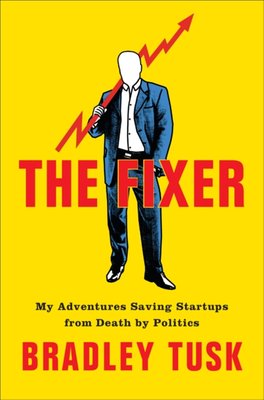
The Fixer
Bradley Tusk
Saving Startups from Death by Politics
4.8 (5)32 mins

The Snowball
Alice Schroeder
Warren Buffett and the Business of Life
4.7 (106) mins
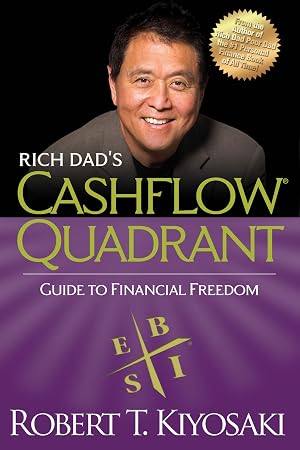
Rich Dad's Cashflow Quadrant
Robert T. Kiyosaki with Sharon L. Lechter
Guide to Financial Freedom
4.7 (199) mins
The Bitcoin Standard
Saifedean Ammous
The Decentralized Alternative to Central Banking
4.6 (291)34 mins
New to Big
David Kidder, Christina Wallace
How Companies Can Create Like Entrepreneurs, Invest Like VCs, and Install a Permanent Operating System for Growth
4.6 (683)31 mins
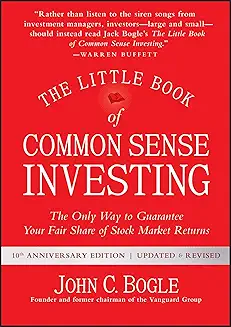
The Little Book of Common Sense Investing
John C. Bogle
The Only Way to Guarantee Your Fair Share of Stock Market Returns
4.6 (2674)23 mins
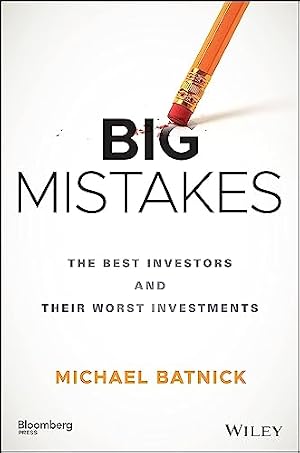
Big Mistakes
Michael Batnick
The Best Investors and Their Worst Investments
4.6 (17)27 mins
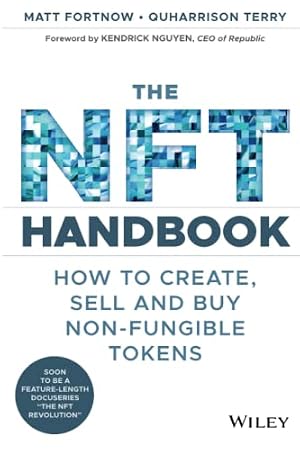
The NFT Handbook
Matt Fortnow and QuHarrison Terry
How to Create, Sell and Buy Non-Fungible Tokens
4.6 (137) mins
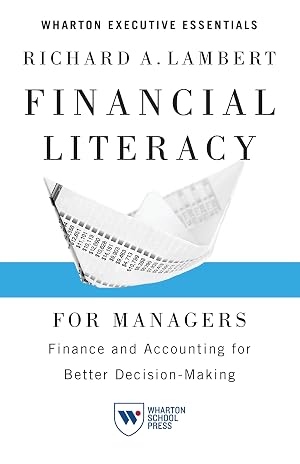
Financial Literacy for Managers
Richard A. Lambert
Finance and Accounting for Better Decision-Making
4.6 (22) mins
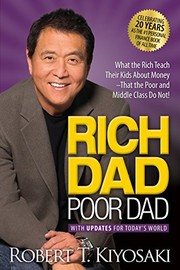
Rich Dad, Poor Dad
Robert T. Kiyosaki
What the Rich Teach Their Kids about Money – That the Poor and the Middle Class Do Not!
4.5 (6209)31 mins