

The First-Time Manager
By Loren B. Belker, Jim McCormick and Gary S. Topchik
The guide with trusted best practices for new managers
Introduction
Imagine stepping into a role where every decision, every word, and every gesture can shape not only your own future but the destiny of those who look to you for guidance. The book under discussion, The First-Time Manager, is a warm and candid conversation about the challenges, triumphs, and everyday realities that come with managing for the first time. Written in a tone that is both encouraging and unpretentious, it speaks directly to the nerve-wracking yet exhilarating transition from being a team member to leading a team. This is not a rigid manual filled with technical jargon; rather, it is a friendly guide that respects the reader’s intelligence and eagerness to learn. The authors present management as a series of interconnected relationships and practical decisions, urging you to cultivate a sense of responsibility, empathy, and clarity that can inspire others to do the same. The book unpacks the fundamental idea that management is not just about giving orders but about creating an environment where individuals thrive. It offers advice on everything from prioritizing tasks and understanding the nuance of delegation to navigating the tricky waters of conflict resolution and change management. It doesn’t sugarcoat the challenges that come with this role. Instead, it invites you to explore them head-on, using personal anecdotes, practical examples, and reflective exercises that anchor its lessons in real-world experience. The narrative is conversational and engaging, steering clear of abstract theories and instead focusing on practical wisdom that you can apply immediately in your everyday work life. As you read through the pages, you will encounter discussions on effective communication, building trust, and establishing credibility with your team. The text guides you through the practical aspects of your newfound responsibilities, such as planning, organizing, and monitoring progress, while also addressing the emotional landscape of managing people. It is a reminder that leadership is as much about emotional intelligence as it is about mastering process and procedure. The book connects with the reader on a personal level, acknowledging that the journey to becoming an effective manager is full of learning curves, self-doubt, and occasional setbacks, but always underscores the promise of growth and lasting impact. With insights that are both timeless and immediately applicable, the work inspires a mindset of continuous improvement and self-awareness. It emphasizes that the first steps may be the most difficult, but they also lay the foundation for a promising future. What makes the narrative so compelling is its ability to balance stern advice with genuine support, ensuring you feel both prepared and motivated to tackle the responsibilities ahead. The First-Time Manager serves as a roadmap, not just for professional success, but for creating a workplace where human connections are nurtured and every voice is valued. It is a call to both humility and courage, inviting you to embrace change, learn actively, and foster an environment in which subtle acts of leadership accumulate into lasting success.
Sign up to continue reading
Get access to full book summaries, audio of the summaries, and many more.
Similar Books
Books with a similar vibe—explore more like this.

The Brand Benefits Playbook
Allen Weiss, Debbie J. MacInnis
Why Customers Aren't Buying What You're Selling--And What to Do About It
4.8 (803)20 mins
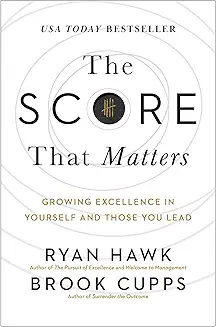
The Score That Matters
Ryan Hawk, Brook Cupps
Growing Excellence in Yourself and Those You Lead
4.7 (368)17 mins
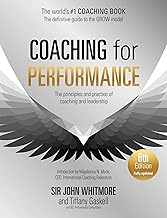
Coaching for Performance
Sir John Whitmore
The Principles and Practice of Coaching and Leadership
4.6 (219)24 mins
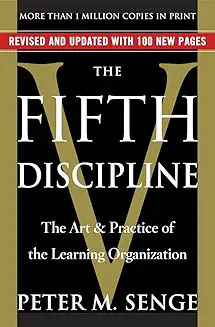
The Fifth Discipline
Peter M. Senge
The Art & Practice of The Learning Organization
4.6 (316)30 mins
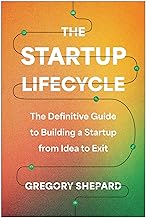
The Startup Lifecycle
Gregory Shepard
The Definitive Guide to Building a Startup from Idea to Exit
4.5 (346)21 mins

High Growth Handbook
Elad Gil
Scaling Startups from 10 to 10,000 People
4.5 (413)19 mins
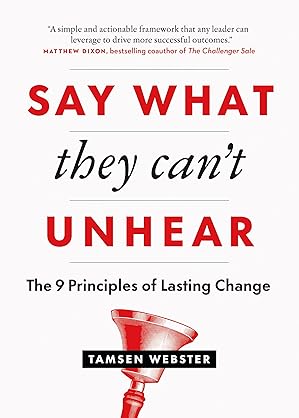
Say What They Can't Unhear
Tamsen Webster
The 9 Principles of Lasting Change
4.5 (212)32 mins

Raise Your Game
Alan Stein Jr., Jon Sternfeld
High-Performance Secrets from the Best of the Best
4.5 (224)19 mins
Negotiation Made Simple
John Lowry
A Practical Guide for Solving Problems, Building Relationships, and Delivering the Deal
4.5 (517)20 mins
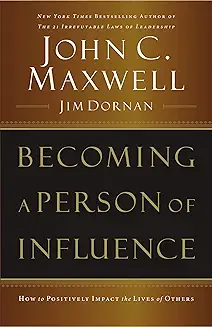
Becoming a Person of Influence
John C. Maxwell, Jim Dornan
How to Positively Impact the Lives of Others
4.5 (365)18 mins