

The Road Less Traveled Summary
By M. Scott Peck
A New Psychology of Love, Traditional Values and Spiritual Growth
Summary preview
Life is difficult. That is the blunt opening line of this book, and it is not there to depress you. It is there to free you. The moment you stop demanding that life should be easy, the moment you stop shaking your fist at pain as if pain were some strange mistake, you begin to grow up. That is the heart of what M. Scott Peck wants to say. He is not offering a quick cure, a comforting slogan, or a set of tricks to make suffering disappear. He is telling you that the hard path is the path of healing, maturity, and spiritual development. The road less traveled is not some romantic trail through the woods. It is the ordinary daily road of discipline, honesty, responsibility, and love. The book moves from the inner work of self mastery to the mysterious work of grace. It begins with the practical and almost stern claim that most of our problems come from our unwillingness to face reality and endure necessary pain. We avoid, postpone, deny, blame, cling, and fantasize. Then we wonder why our lives become tangled. The answer given here is simple, though not easy. To solve the problems of life, we must learn discipline. We must delay satisfaction, accept responsibility, devote ourselves to truth, and hold all things in balance. These are not glamorous virtues, but they are the tools by which a person becomes whole. From there, the book turns toward love, and here it clears away a great deal of confusion. What many people call love is often dependency, possession, neediness, or the collapse of boundaries. Real love is not a feeling that sweeps us away. It is the will to extend oneself for the purpose of nurturing one’s own or another’s spiritual growth. That definition changes everything. It means love requires effort. It means conflict can be loving. It means freedom matters. It means genuine care helps another person become more fully themselves, not more useful to us. The journey deepens further into religion, worldview, and the strange resistance human beings have toward truth. The argument is that mental health and spiritual health cannot finally be separated. Many neuroses are forms of avoiding reality. Many acts of courage are acts of faith, whether or not we use religious language for them. And beyond our effort there is also help, something unexpected and unearned, which the book calls grace. Through coincidence, dreams, intuition, healing, and the hidden movement of growth itself, we are met by a power that seems to want our evolution. So this is a book about becoming a mature human being. It is about the cost of that becoming and the joy hidden inside the cost. It speaks like a therapist, a pilgrim, and sometimes like a stern friend who refuses to flatter you. Yet beneath its severity there is deep hope. You are not trapped by your habits, your childhood, or your fear. You can choose the difficult good over the easy falsehood....
Sign up to continue reading
Get access to full book summaries, audio of the summaries, and many more.
Similar Books
Books with a similar vibe—explore more like this.
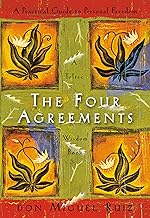
The Four Agreements
Don Miguel Ruiz & Janet Mills
A Practical Guide to Personal Freedom
4.3 (913)21 mins
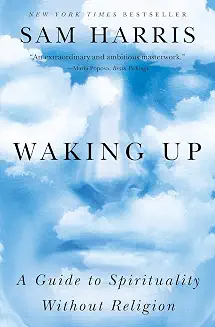
Waking Up
Sam Harris
A Guide to Spirituality Without Religion
3.9 (1058)24 mins
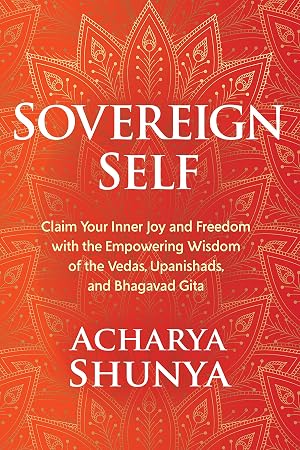
Sovereign Self
Acharya Shunya
Claim Your Inner Joy and Freedom with the Empowering Wisdom of the Vedas, Upanishads, and Bhagavad Gita
4.8 (114) mins
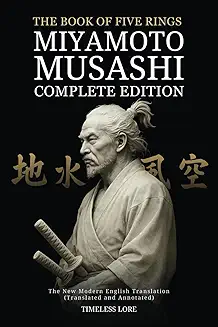
The Book of Five Rings
Miyamoto Musashi
A Classic Text on the Japanese Way of the Sword
4.7 (293)23 mins
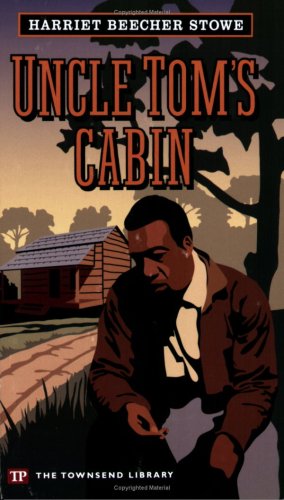
Uncle Tom's Cabin
Harriet Beecher Stowe
The Problem of Slavery and Its Treatment of Human Beings
4.7 (41)25 mins
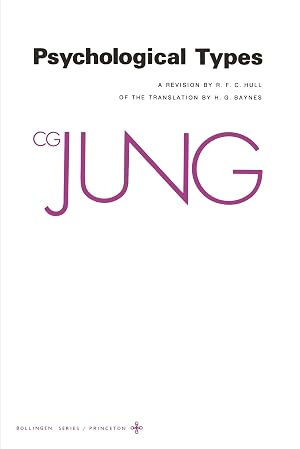
Psychological Types
Carl Jung
Collected works from the supreme theorist of the conscious
4.7 (89) mins

The Seven Circles
Chelsey Luger & Thosh Collins
Indigenous Teachings for Living Well
4.7 (13) mins
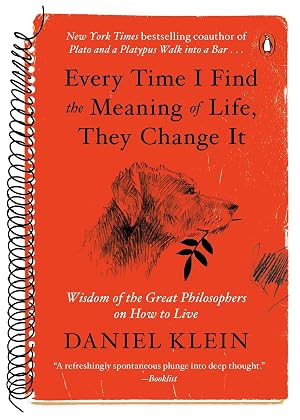
Every Time I Find the Meaning of Life, They Change It
Daniel Klein
Wisdom of the Great Philosophers on How to Live
4.7 (28)25 mins
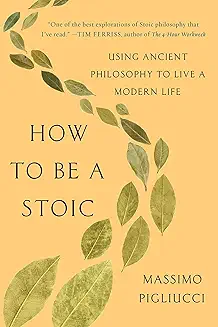
How to Be a Stoic
Massimo Pigliucci
Ancient Wisdom For Modern Living
4.6 (567)31 mins
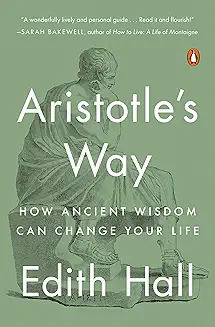
Aristotle's Way
Edith Hall
How Ancient Wisdom Can Change Your Life
4.6 (1073)28 mins