

The Surprising Science of Meetings Summary
By Steven G. Rogelberg
How You Can Lead Your Team to Peak Performance
Summary preview
Meetings have become an integral part of our work lives, and in this book the author invites you to examine them through the lens of science. In a warm, engaging narrative, the book challenges the conventional view that meetings are an inevitable time-sink and instead unveils the surprising research and insights that can transform them into vibrant engines of productivity. Right from the start, you are encouraged to question everything you thought you knew about meetings – from their purpose to the dynamics that unfold within them. The book argues that meetings are not simply random gatherings, but carefully structured social experiments in communication, collaboration, and decision-making. The author takes you on a journey that is both empirical and practical. The research-based approach demystifies why many meetings fail to deliver, highlighting misaligned objectives, unclear roles, and poor communication as some of the persistent challenges. Yet, it is not a manifesto of doom. Instead, the insights shared are imbued with hope through the promise of practical strategies that push the envelope of what meetings can be. You learn that the power of meetings lies in their ability to harness a collective intelligence when they are thoughtfully organized and faithfully executed. One of the compelling strengths of the narrative is its conversational tone, which makes complex scientific research feel accessible and relevant. The book blends stories of real-life examples with hard data to illustrate how even small adjustments in meeting design can result in major improvements. It draws you into vivid anecdotes where mundane gatherings are transformed into hubs of innovation, and where leaders learn to cultivate environments that value both purpose and participation. You are invited to join a conversation that touches on the psychology of groups, the role of technology, the economics of time, and even the subtle interplay of organizational culture. The hypothesis is simple yet profound: by understanding and applying the science behind meetings, organizations can unlock untapped potential, turning routine sessions into catalysts for creativity and progress. This introduction sets the stage for a deep dive into each facet of meeting dynamics, promising insights that are as surprising as they are actionable. In essence, the introduction prepares you to see meetings not as inevitable interruptions to your work, but as opportunities for intentional engagement and breakthrough thinking. As you read further into the book, you will encounter rich discussions that explore why meetings are designed the way they are and how subtle shifts in approach can yield significant benefits. It is a call to rethink, reimagine, and reinvigorate one of the most ubiquitous elements of our professional lives, showing you that the science of meetings is not just an academic pursuit, but a practical guide to making your time more impactful.
Sign up to continue reading
Get access to full book summaries, audio of the summaries, and many more.
Similar Books
Books with a similar vibe—explore more like this.
Next Play
Alan Stein Jr.
Improve Team Performance, Productivity, and Fulfillment
4.9 (34) mins

A Promised Land
Barack Obama
The first memoir of Barack Obama, the 44th president of the United States
4.7 (3246)38 mins
Atomic Habits
James Clear
An Easy & Proven Way to Build Good Habits & Break Bad Ones
4.6 (21572)29 mins
Essentialism
Greg McKeown
The Disciplined Pursuit of Less
4.6 (367)34 mins
Buy Back Your Time
Dan Martell
Get Unstuck, Reclaim Your Freedom, and Build Your Empire
4.6 (792)23 mins
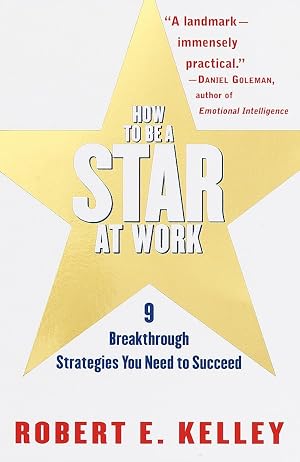
How to Be a Star at Work
Robert E. Kelley
9 Breakthrough Strategies You Need to Succeed
4.6 (34)28 mins
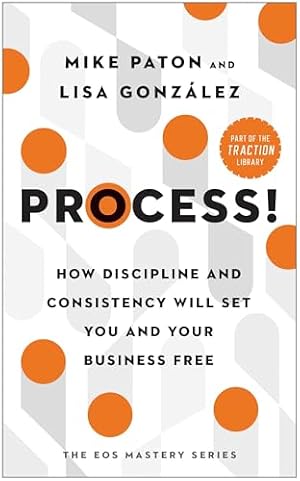
Process!
Mike Paton, Lisa González
How Discipline and Consistency Will Set You and Your Business Free
4.6 (5) mins

Friends, Lovers, and the Big Terrible Thing
Matthew Perry
A Memoir
4.6 (137) mins
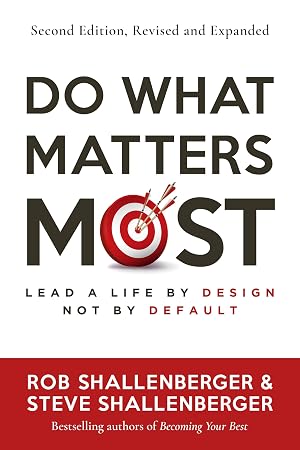
Do What Matters Most
Rob Shallenberger and Steve Shallenberger
Lead with a Vision, Manage with a Plan, Prioritize Your Time
4.6 (176) mins
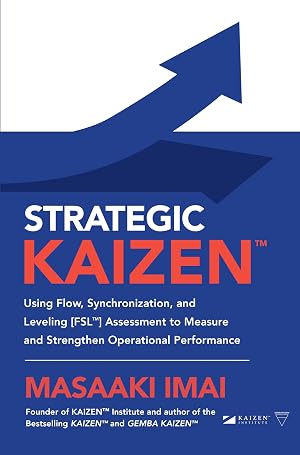
Strategic Kaizen™
Masaaki Imai
Using Flow, Synchronization, and Leveling Assessment to Measure and Strengthen Operational Performance
4.6 (22) mins