

The Way of Zen Summary
By Alan W. Watts
The history and core principles of the Eastern philosophy of Zen
Summary preview
Imagine stepping into a world where the ordinary rules of life seem to melt away, revealing a hidden layer of meaning in the very fabric of existence. The Way of Zen draws you into a journey that traverses time, culture, and the inner workings of the human spirit. From its very first page, this work invites you to explore a philosophy that is at once simple and profoundly mysterious. The book unfolds as a conversation, a gentle invitation to question what you know about spirituality, consciousness, and the nature of reality itself. In these pages you discover not only the historical roots and evolution of Zen but also the deep interplay between intuitive insight and rational thought. There is an emphasis on the way Zen challenges the compartmentalized view of life. Instead of a neat separation between the sacred and the secular, Zen teaches us that every moment holds the potential for awakening. This narrative encourages you to see that art, music, and even the mundane aspects of daily life may serve as gateways to understanding the more elusive aspects of our shared human experience. As you read, you are gently urged to let go of the conventional structures that you have built around yourself. The text explains how Eastern thought, particularly Zen, embraces the paradox of striving without straining, engaging with life fully while surrendering to its spontaneity. Through storytelling and reflective insights, the author illustrates that the process of spiritual awakening is less about acquiring knowledge and more about unlearning the layers of false self. You’ll encounter a vivid tapestry of metaphors, rehearsed anecdotes, and clear explanations that make complex concepts feel not only accessible but also vital to living a more enriched life. The narrative of The Way of Zen is like a warm conversation with a wise friend who gently nudges you to expand your horizons. It invites you to see that the boundaries you have drawn around your existence are not rigid walls but rather transparent veils through which you can glimpse the deeper truths of life. The text does not dictate or command one to follow a rigid path, but rather inspires you to dive into a personal exploration of mindfulness, surrender, and the beauty of impermanence. It is a call to be present, to look beyond the superficial definitions of everyday experience, and to engage in a practice that celebrates both the uncertainty and the beauty of existence. Before you turn the first page of the sections that follow, take a moment to breathe and be open to the idea that life itself is a practice. Allow the discussions, reflections, and stories to challenge and comfort you in equal measure. What awaits is a rich dialogue about the nature of being and the art of living, inviting you to reimagine life as an endless unfolding of wonder and insight.
Sign up to continue reading
Get access to full book summaries, audio of the summaries, and many more.
Similar Books
Books with a similar vibe—explore more like this.
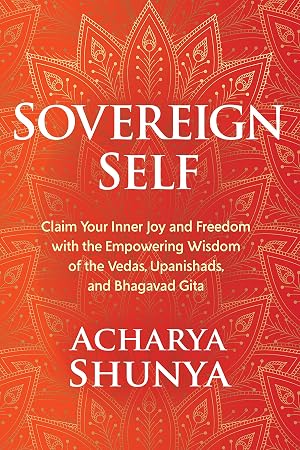
Sovereign Self
Acharya Shunya
Claim Your Inner Joy and Freedom with the Empowering Wisdom of the Vedas, Upanishads, and Bhagavad Gita
4.8 (114) mins
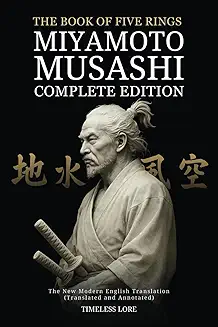
The Book of Five Rings
Miyamoto Musashi
A Classic Text on the Japanese Way of the Sword
4.7 (293)23 mins

Uncle Tom's Cabin
Harriet Beecher Stowe
The Problem of Slavery and Its Treatment of Human Beings
4.7 (41)25 mins
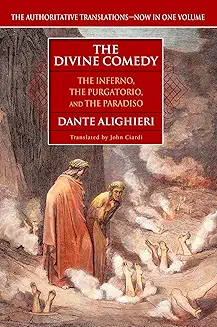
The Divine Comedy
Dante Alighieri
The Inferno, The Purgatorio, and The Paradiso
4.6 (457)27 mins
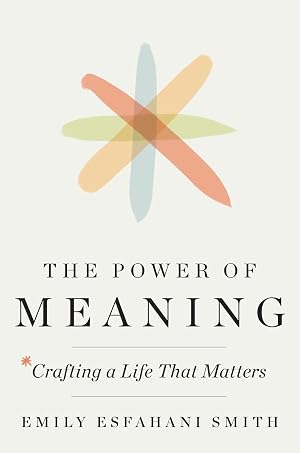
The Power Of Meaning
Emily Esfahani Smith
Crafting a Life That Matters
4.6 (126)27 mins

The Book of Genesis
The Holy Bible
In the beginning
4.6 (12)30 mins
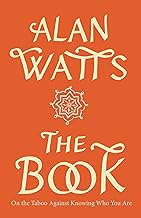
The Book
Alan W. Watts
On the Taboo Against Knowing Who You Are
4.5 (540)26 mins
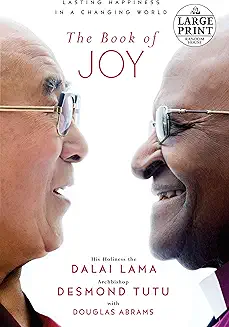
The Book of Joy
Dalai Lama & Desmond Tutu
Lasting Happiness in a Changing World
4.5 (1523)35 mins
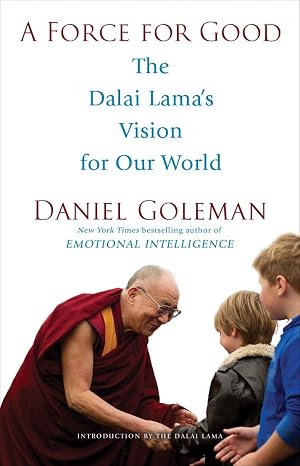
A Force for Good
Daniel Goleman
The Dalai Lama's Vision for Humanity
4.5 (25)33 mins
The Road Less Traveled
M. Scott Peck
A New Psychology of Love, Traditional Values and Spiritual Growth
4.4 (1249)22 mins