

Summary preview
Some novels arrive like a knock at the door. This one arrives like rain. It gathers in the air before you notice it, then falls across centuries, across languages, across broken cities and private griefs, until you realize you are drenched in one vast story about memory, power, loss, and survival. There Are Rivers in the Sky asks a question that sounds simple and turns out to be immense. What does water remember? And if rivers carry the stories of empires, exiles, lovers, scholars, and the dead, what happens when we stop listening? Elif Shafak builds this book with the patience of someone tracing the course of a river from its hidden source to the sea. The novel moves between Victorian London, ancient Mesopotamia, modern Turkey, and contemporary life in Britain, yet it never feels scattered. Everything flows toward everything else. A drop of water can drift through a cloud, fall into a river, rise again into the sky, and travel farther than any human border. So can a story. So can sorrow. So can hope. From the first pages, the book invites you to see the world not as separate places and separate lives, but as one breathing web in which the past is never really past. At the center are several lives that seem, at first, to have little to do with one another. There is Arthur, born in brutal poverty in nineteenth century London, a boy with an extraordinary hunger for words and knowledge, who grows up haunted and transformed by the ancient world of Nineveh and the Epic of Gilgamesh. There is Narin, a Yazidi child in our own time, living in the shadow of violence and displacement, carrying the weight of a threatened heritage and a family history filled with devotion and fear. And there is Zaleekhah, adrift in modern life, clever and wounded, trying to understand her own loneliness while the waters around her, literal and emotional, rise. Around them move many others, each touched by migration, empire, scholarship, cruelty, tenderness, and the fragile work of remembering. This is a novel about rivers, yes, but also about cuneiform tablets and forgotten gods, about libraries and marshlands, about sewage and sacred wells, about colonial theft and ecological collapse. It is about the things human beings build and destroy. It is about what survives anyway. The book keeps returning to one deep truth that shimmers under every page. Nothing exists alone. The water we drink, the stories we inherit, the violence we excuse, and the compassion we offer all travel onward. By following those currents, the novel turns history into something intimate and the intimate into something vast. It asks you not just to read about lives, but to feel their connection in your bones.
Sign up to continue reading
Get access to full book summaries, audio of the summaries, and many more.
Similar Books
Books with a similar vibe—explore more like this.
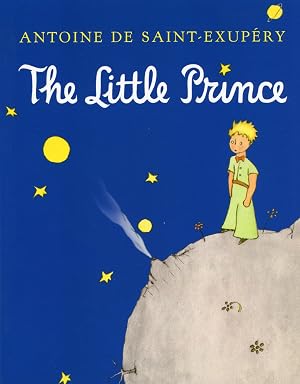
The Little Prince
Antoine de Saint-Exupéry
A Tale About the Human Condition and the Search for Happiness
4.9 (36) mins
Nineteen Eighty-Four (1984)
George Orwell
A Dystopian Classic on the Dangers of Totalitarianism
4.9 (697) mins

The Song of Roland
Anonymous
Enter a World of Medieval Heroism, Where Honor Reigns Supreme
4.9 (3) mins
Hamlet
William Shakespeare
A Young Prince's Tragic Descend Into Madness and Revenge
4.8 (43) mins

The Screwtape Letters
C.S. Lewis
Letters from a Senior to a Junior Devil
4.8 (47) mins

Little Women
Louisa M. Alcott
A Coming-of-Age Novel about True Love and Finding One's Place in Life
4.8 (19) mins
We Have Always Lived in the Castle
Shirley Jackson
Enter a Disturbing Labyrinth of Family Secrets and Dark Neurosis
4.8 (5) mins
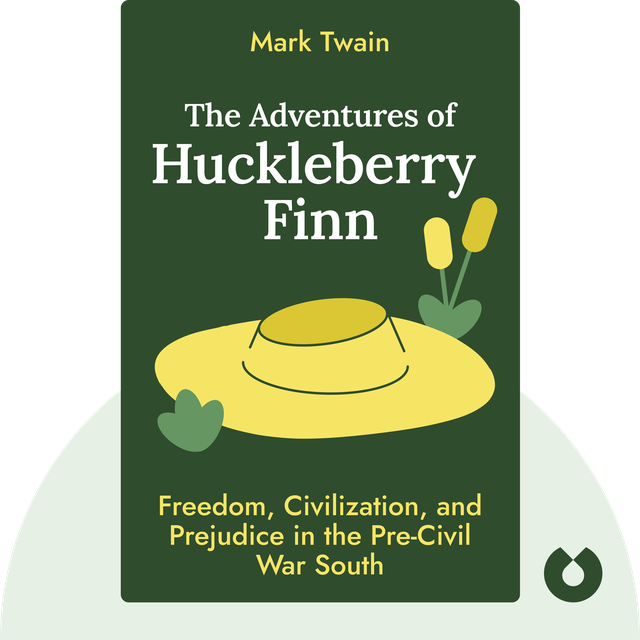
The Adventures of Huckleberry Finn
Mark Twain
Freedom, Civilization, and Prejudice in the Pre-Civil War South
4.8 (62) mins
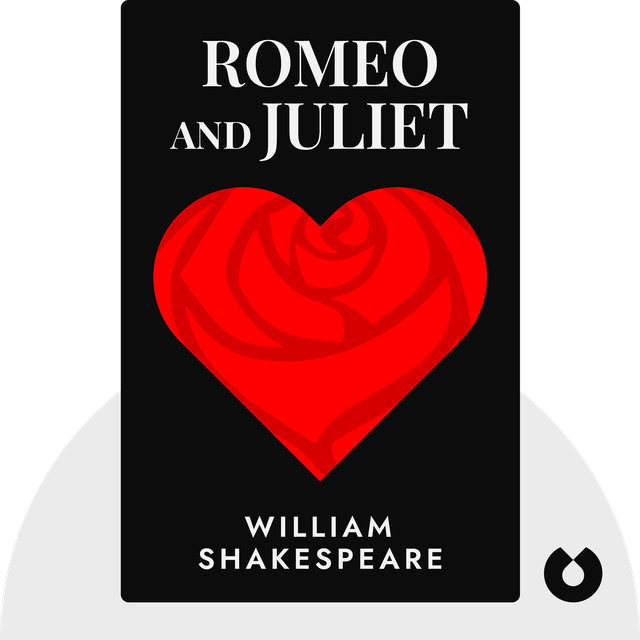
Romeo and Juliet
William Shakespeare
The Tragic Story of Two Star-Crossed Lovers From Feuding Families
4.8 (20) mins
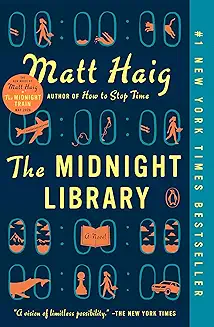
The Midnight Library
Matt Haig
A Fantasy Novel About the Choices That Lead to a Life Well-Lived
4.7 (4782)32 mins