

Toxic Productivity Summary
By Israa Nasir
Reclaim Your Time and Emotional Energy in a World That Always Demands More
Summary preview
In a world obsessed with doing more, being more, and achieving ever-higher levels of efficiency, Toxic Productivity invites you to take a step back and examine what it means to truly be productive. This book weaves personal insights with a broader social critique as it unpacks how the relentless pursuit of productivity can spiral into a state of toxicity that undermines our well-being. The narrative immediately draws you in with its candid and warm tone, offering a compassionate look at the pressures that push us to overexert ourselves in our professional and personal lives. The author gently asks you to question the very foundation of success that we have inherited from a culture that glorifies busy-ness and constant achievement. Throughout the book, you will be met with rich anecdotes and thoughtful discussions that equip you to understand the difference between healthy ambition and harmful perfectionism, urging you to reconnect with a more balanced mindset. The book opens by exploring the seductive trap of toxic productivity—a state where the drive to be productive turns into an obsessive need that overshadows rest, reflection, and self-care. It challenges the notion that every moment must be filled with activity and highlights the hidden costs of burning out in the name of success. For instance, the author shares personal moments of vulnerability, illustrating how the pressure to succeed silently erodes self-worth and mental health. In doing so, you are encouraged to reflect on your own life, recognize patterns of overwork, and consider alternative ways of living that honor your true self. Moreover, the book does not offer a one-size-fits-all remedy. Instead, it provides a rich tapestry of ideas—from rethinking work-life balance to cultivating practices that help you deal with judgment, uncertainty, and inward-directed criticism. The conversational tone makes complex ideas accessible, blending research with practical examples and heartfelt personal stories. Each chapter feels like part of a gentle conversation between friends, where you are invited to question societal standards and learn to find solace in moments of downtime. The narrative pulls you into a journey of self-discovery, lending its support as you move from self-blame toward self-compassion. As you turn the pages, you'll begin to see how toxic productivity shapes not just our work habits, but our relationships, emotions, and even our identity. The author paints a vivid picture of modern life’s relentless pace and then offers practical steps to reclaim autonomy over one’s time and energy. With every anecdote and insight, you are encouraged to shatter the myth that endless activity is synonymous with worthiness. You are provided with an invitation to fashion a more humane, insightful, and sustainable approach to living. The introduction sets up an essential conversation, one that continues to echo throughout the book, urging you to listen closely to your inner voice and to honor the necessity of rest amid a culture of constant striving.
Sign up to continue reading
Get access to full book summaries, audio of the summaries, and many more.
Similar Books
Books with a similar vibe—explore more like this.
Hyperefficient
Mithu Storoni
Optimise your Brain and Transform the Way you Work
4.1 (414)18 mins
Slow Productivity
Cal Newport
The Lost Art of Accomplishment Without Burnout
4.0 (487)22 mins
Next Play
Alan Stein Jr.
Improve Team Performance, Productivity, and Fulfillment
4.9 (34) mins
Friday Forward
Robert Glazer
Inspiration & Motivation to End Your Week Stronger Than It Started
4.6 (385)25 mins
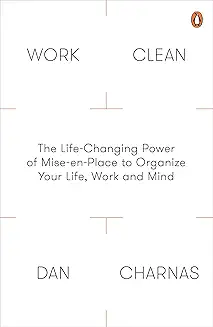
Work Clean
Dan Charnas
The life-changing power of mise-en-place to organize your life, work, and mind
4.6 (368)23 mins
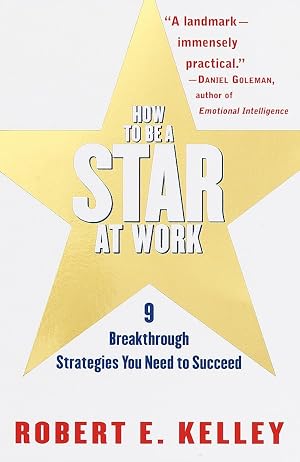
How to Be a Star at Work
Robert E. Kelley
9 Breakthrough Strategies You Need to Succeed
4.6 (34)28 mins
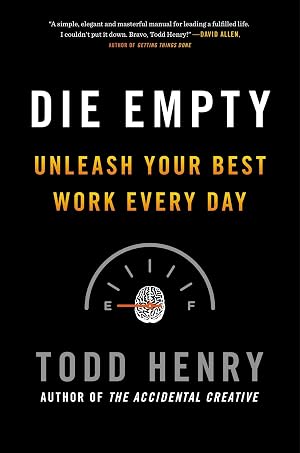
Die Empty
Todd Henry
Unleash Your Best Work Every Day
4.6 (40)22 mins
52 Weeks of Wellbeing
Ryan Hopkins
A No-Nonsense Guide to a Fulfilling Work Life
4.6 (25) mins
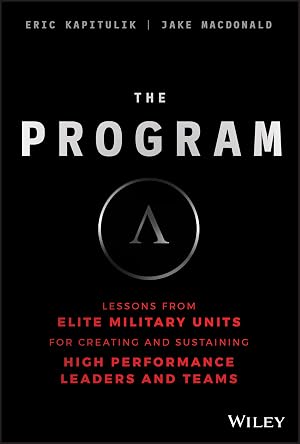
The Program
Eric Kapitulik & Jake MacDonald
Lessons From Elite Military Units for Creating and Sustaining High Performance Leaders and Teams
4.6 (2) mins
Feel-Good Productivity
Ali Abdaal
How to Do More of What Matters to You
4.5 (1198)15 mins