

Weapons of Math Destruction Summary
By Cathy O'Neil
How Big Data Increases Inequality and Threatens Democracy
Summary preview
In Weapons of Math Destruction the author takes you on a journey through the hidden world of algorithms, shining a light on how these complex mathematical models have quietly woven themselves into almost every aspect of our lives. Right from the start you are invited to question the fairness of systems that determine everything from credit scores to prison sentences. The book’s central theme is a wake-up call: technology and big data are not inherently neutral, and when used without oversight or accountability, they can amplify inequality and reinforce biases. With warmth and a conversational tone, the narrative explains that behind the veneer of objectivity, algorithms can hide errors, discrimination, and inefficiency. The author shows that models often celebrated for their precision are not infallible or even necessarily fair when they operate in environments filled with human error and systemic prejudice. The book opens up a discussion about the dual nature of mathematics and big data. On one hand, we see the undeniable benefits of quantification and prediction, tools that can improve efficiency and provide opportunities. On the other hand, the story warns of the dangers lurking when these models are poorly designed, lack transparency, or are implemented without due consideration for ethics. The underlying message is that these mathematical constructs often function as what the author calls "Weapons of Math Destruction": powerful tools that can dictate social outcomes while being shrouded in black-box secrecy. The vivid examples and real-life anecdotes throughout the text make it clear that these tools may seem unbiased on the surface, yet they hide toxic policies that can devastate individuals and communities. For instance, the book details how school ranking systems and predictive policing can misfire, heavily impacting those already on the margins of society. Throughout the introduction, you are gently pulled into a narrative that doesn’t shy away from discussing the conflicts between corporate interests, government policies, and the ethical use of data. The discussion is not merely technical; it is deeply personal, urging you to reflect on your own experiences in a data-driven world. You begin to see that every click, every loan, every job application might be analyzed by algorithms that are more fallible than they appear. The book’s approachable language makes these concepts accessible, blending storytelling with critical analysis in a style that is as engaging as it is informative. As you settle in, you are reminded that the fight for accountability and fairness in our digital age is one that affects every single one of us, and that understanding these mathematical monsters is the first step towards reform.
Sign up to continue reading
Get access to full book summaries, audio of the summaries, and many more.
Similar Books
Books with a similar vibe—explore more like this.
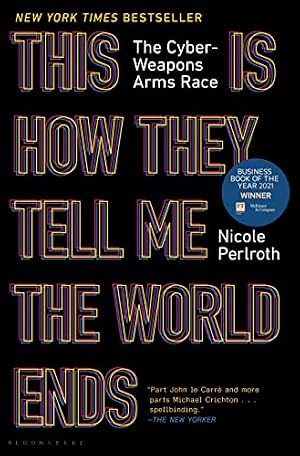
This Is How They Tell Me the World Ends
Nicole Perlroth
The Cyberweapons Arms Race
4.8 (64)33 mins

Cobalt Red
Siddharth Kara
How the Blood of the Congo Powers Our Lives
4.6 (4) mins
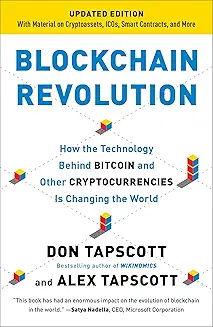
Blockchain Revolution
Don Tapscott & Alex Tapscott
How the Technology Behind Bitcoin Is Changing Money, Business and the World
4.5 (483)26 mins
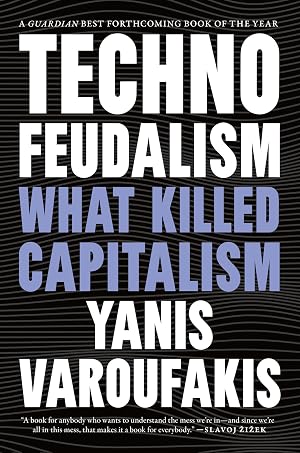
Technofeudalism
Yanis Varoufakis
What Killed Capitalism
4.5 (39) mins
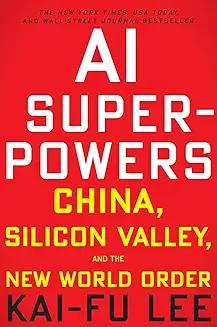
AI Superpowers
Kai-Fu Lee
China, Silicon Valley, and the New World Order
4.4 (982)31 mins
A World Without Work
Daniel Susskind
Technology, Automation, and How We Should Respond
4.3 (32)25 mins
Growth
Daniel Susskind
A History and a Reckoning
4.3 (11) mins
Chokepoints
Edward Fishman
How the Global Economy Became a Weapon of War
4.3 (16) mins
Subscribed
Tien Tzuo with Gabe Weisert
Why the Subscription Model Will Be Your Company's Future – and What to Do About It
4.3 (32) mins
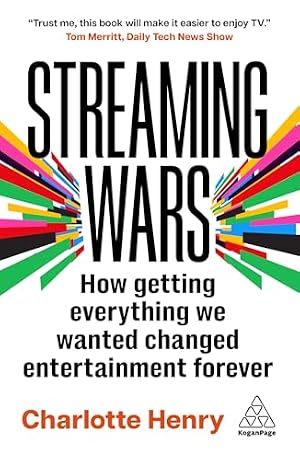
Streaming Wars
Charlotte Henry
How Getting Everything We Wanted Changed Entertainment Forever
4.3 (3)23 mins