

Why Zebras Don't Get Ulcers Summary
By Robert M. Sapolsky
The Acclaimed Guide to Stress, Stress-Related Diseases, and Coping
Summary preview
Here is the strange little miracle at the heart of this book. Stress is supposed to save your life. It is one of the great survival tools built into your body. If you are a zebra on the African savanna and a lion explodes out of the grass, your stress response is a masterpiece. Your heart pounds, your breathing deepens, sugar floods into your blood, and every system not needed for immediate survival goes quiet. Then, if you escape, the whole thing turns off. The crisis is over. You go back to grazing. We humans took that same elegant system and dragged it into a world of deadlines, grudges, traffic, loneliness, status games, bad memories, and imagined futures. We can sit perfectly still in a chair and trigger the same biochemical storm that evolution designed for sprinting away from teeth. We can do it over a mortgage, an insult, a quarterly report, or the fear that something awful might happen next month. That is the central joke and tragedy of modern life. We are smart enough to worry about almost anything, and our bodies often pay the price. That is the terrain Robert M. Sapolsky explores with wit, impatience, compassion, and a kind of delighted curiosity about how wonderfully odd we are. He wants to explain what stress is, what it does well, and what it does disastrously when it is turned on too often or for too long. He takes you from hormones and brain circuits to ulcers, blood pressure, aging, depression, memory problems, and the ways social life can either crush us or protect us. The argument is never that stress is bad in every form. Acute stress can sharpen you, energize you, and keep you alive. The real villain is chronic, unrelenting activation, especially when paired with helplessness, lack of control, uncertainty, and social isolation. What makes the journey so memorable is the voice guiding it. You are not marched through dry physiology. You are invited into a lively conversation about why your stomach can rebel during hard times, why your immune system can get confused, why your heart listens to your emotions, and why baboons, office hierarchies, and childhood experience all belong in the same story. The book keeps returning to a simple but unsettling truth. The stress response evolved for short term physical emergencies. We use it for psychological ones, and we use it constantly. By the time you move through these pages, you begin to see stress not as a vague modern complaint but as a biological drama with consequences in nearly every corner of the body. You also begin to see that the story is not purely mechanical. Meaning matters. Interpretation matters. Rank matters. Friendship matters. The way you explain your life to yourself can change what your hormones do next. That is why this book feels so alive. It is about blood vessels and neurons, yes, but also about fear, hope, memory, power, and the deeply human talent for making ourselves sick...
Sign up to continue reading
Get access to full book summaries, audio of the summaries, and many more.
Similar Books
Books with a similar vibe—explore more like this.
Livewired
David Eagleman
The inside story of the Ever-changing brain
4.8 (544)28 mins
Why We Sleep
Matthew Walker
Unlocking the Power of Sleep and Dreams
4.8 (1560)17 mins
Every Living Thing
Jason Roberts
The Great and Deadly Race to Know All Life
4.8 (7) mins
Brain Wash
David Perlmutter
Detox Your Mind for Clearer Thinking, Deeper Relationships, and Lasting Happiness
4.6 (1203)29 mins
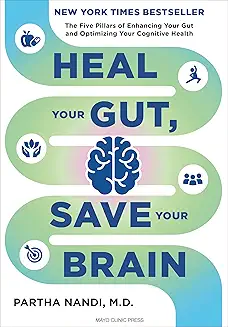
Heal Your Gut, Save Your Brain
Partha Nandi
The Five Pillars of Enhancing Your Gut and Optimizing Your Cognitive Health
4.5 (335)21 mins

Born to Run
Christopher McDougall
A Hidden Tribe, Superathletes and the Greatest Race the World Has Never Seen
4.5 (629)28 mins

Hidden Valley Road
Robert Kolker
Inside the Mind of an American Family
4.5 (893)32 mins
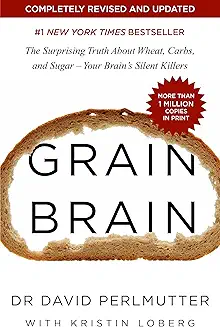
Grain Brain
David Perlmutter
The Surprising Truth About Wheat, Carbs, and Sugar – Your Brain’s Silent Killers
4.4 (1038)28 mins
The Brain's Way of Healing
Norman Doidge
Remarkable Discoveries and Recoveries from the Frontiers of Neuroplasticity
4.3 (378)29 mins
The Beautiful Cure
Daniel M. Davis
The Revolution in Immunology and What it Means for Your Health
4.3 (308)30 mins