
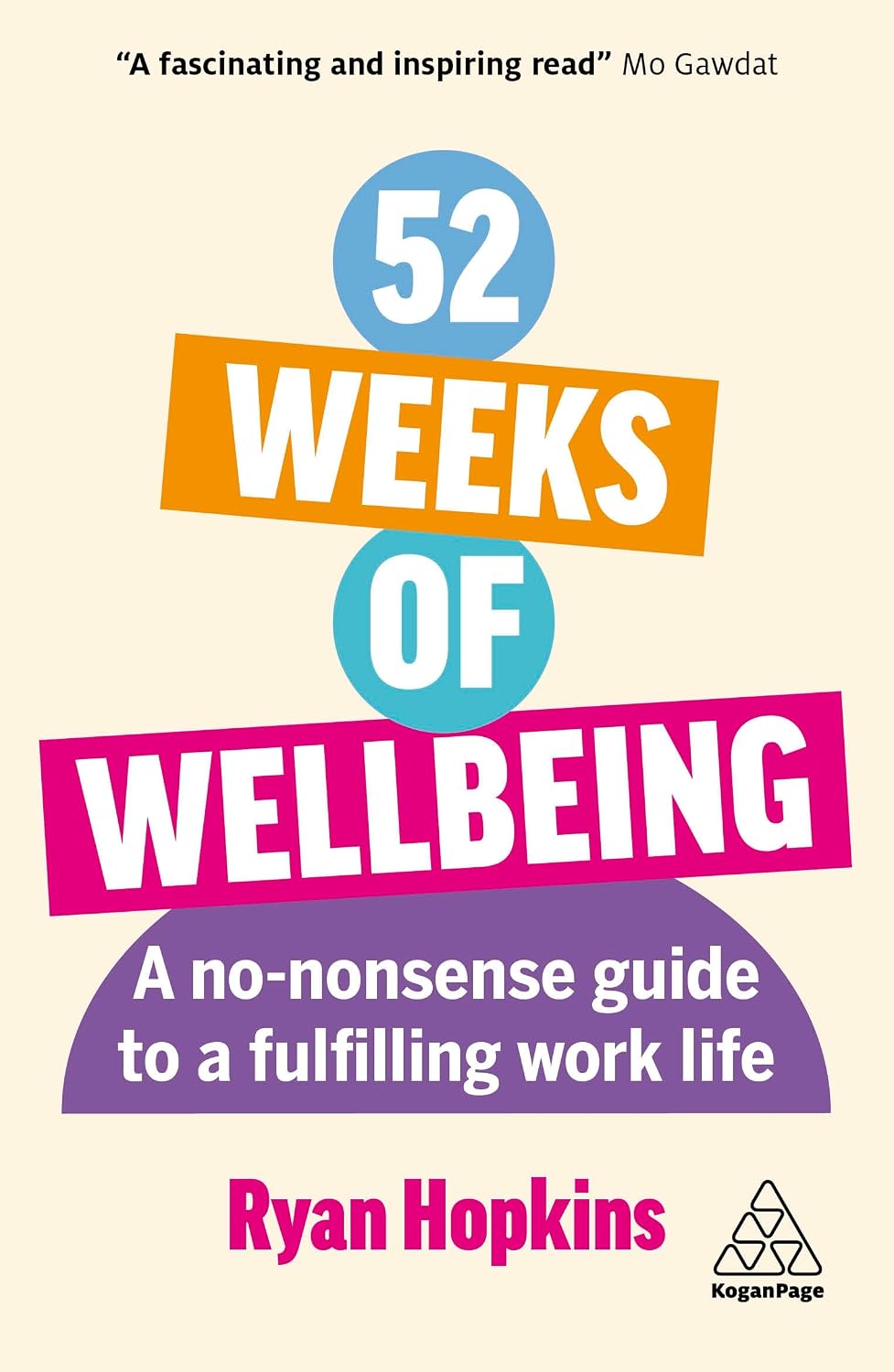
52 Weeks of Wellbeing Summary
By Ryan Hopkins
A No-Nonsense Guide to a Fulfilling Work Life
Summary preview
What if wellbeing stopped being something you only thought about when life went wrong, and instead became something you built gently, week by week, choice by choice, like laying stones on a path you actually want to walk? That is the heart of 52 Weeks of Wellbeing. It is not a preachy manual, and it is not a glossy promise that one perfect morning routine will fix everything. It is a practical, human guide to living and working better, rooted in the idea that wellbeing is not a luxury, not a side project, and certainly not a reward for getting through a hard week. It is the foundation. The book invites you to see wellbeing as something broad, living, and deeply personal. It reaches far beyond the old habit of reducing health to steps, sleep scores, or salad choices. Here, wellbeing includes your mind, your body, your relationships, your sense of purpose, your habits, your environment, your boundaries, and the way you move through your day. It also includes work, because work shapes so much of modern life. If your working world is draining, chaotic, lonely, or relentless, that will spill into everything else. If it supports you, challenges you in healthy ways, and gives room for recovery, growth, and belonging, that matters too. Ryan Hopkins builds the book around a simple but powerful rhythm. Each week offers a fresh invitation to reflect, experiment, and act. The pace matters. This is not about trying to transform your whole life in a weekend. It is about taking one meaningful idea at a time and letting it land. Some weeks ask you to look inward. Others encourage you to strengthen your connection with other people, your workspace, your routines, or your local community. The effect is cumulative. Small shifts, repeated with intention, create real change. What makes the book feel especially grounded is its blend of research, lived experience, and everyday realism. You are not being asked to become a wellbeing expert overnight. You are being encouraged to notice what helps, what harms, what energises, and what quietly erodes your capacity. There is honesty here about stress, burnout, loneliness, digital overload, and the pressure many people feel to keep performing while privately running on empty. There is also hope, because the message is clear. Better wellbeing is possible when you stop treating yourself like a machine and start treating your life as a system that needs care, design, and regular maintenance. So the book becomes a year long companion. It helps you ask better questions, try better habits, and build a life that feels more sustainable from the inside out. Not perfect, not polished, but healthier, steadier, and more fully your own.
Sign up to continue reading
Get access to full book summaries, audio of the summaries, and many more.
Similar Books
Books with a similar vibe—explore more like this.
Friday Forward
Robert Glazer
Inspiration & Motivation to End Your Week Stronger Than It Started
4.6 (385)25 mins
The Program
Eric Kapitulik & Jake MacDonald
Lessons From Elite Military Units for Creating and Sustaining High Performance Leaders and Teams
4.6 (2)22 mins
Grow Or Fold
Matt Ross
Transform Yourself in Midlife and Beyond
4.5 (29)21 mins
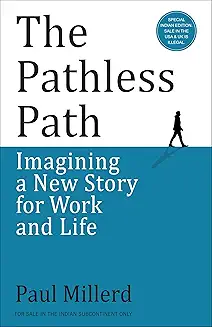
The Pathless Path
Paul Millerd
Imagining a New Story For Work and Life
4.3 (679)19 mins
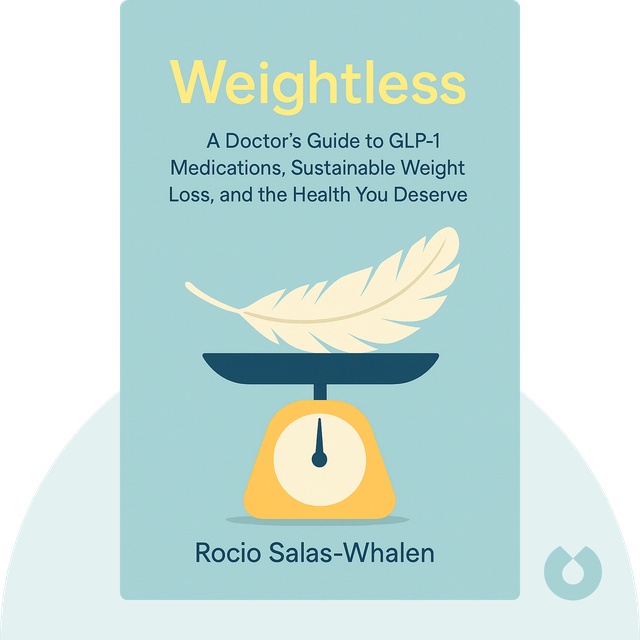
Weightless
Rocio Salas-Whalen
A Doctor's Guide to GLP-1 Medications, Sustainable Weight Loss, and the Health You Deserve
4.3 (10)23 mins
Burned Out to Lit Up
Cara E. Houser
Ditch the Grind and Reclaim Your Life
4.2 (710)21 mins
Toxic Productivity
Israa Nasir
Reclaim Your Time and Emotional Energy in a World That Always Demands More
4.2 (370)21 mins
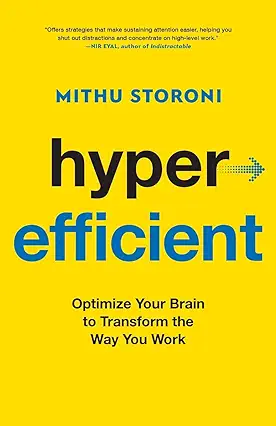
Hyperefficient
Mithu Storoni
Optimise your Brain and Transform the Way you Work
4.1 (414)18 mins
Slow Productivity
Cal Newport
The Lost Art of Accomplishment Without Burnout
4.0 (487)22 mins
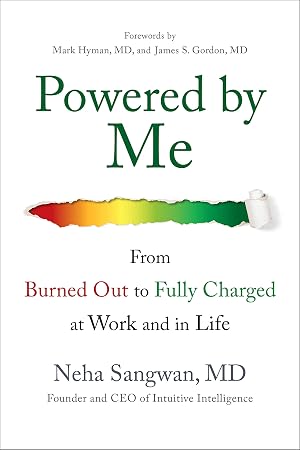
Powered by Me
Neha Sangwan
From Burned Out to Fully Charged at Work and in Life
4.0 (62)22 mins