
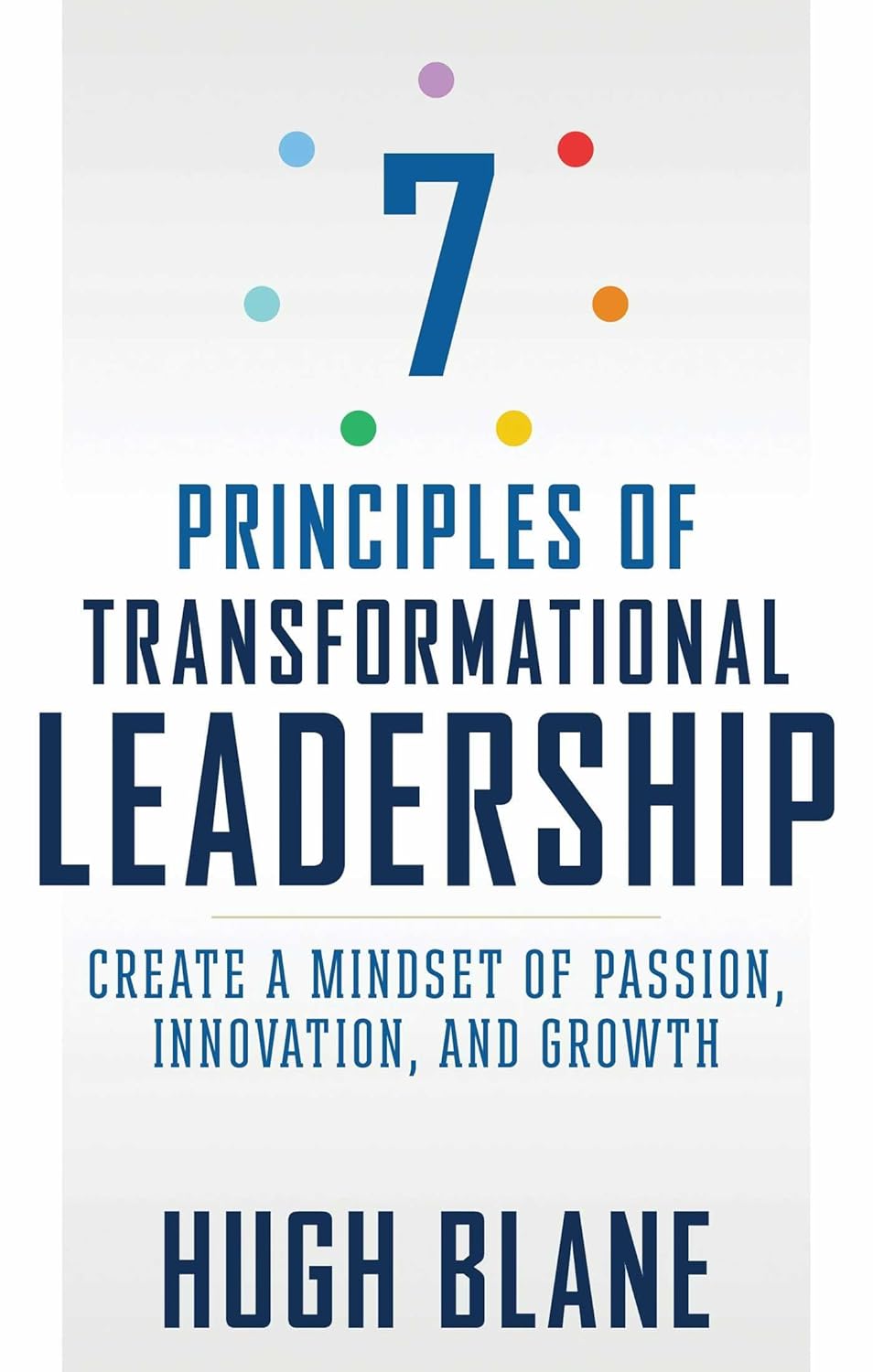
7 Principles of Transformational Leadership Summary
By Hugh Blane
Create a Mindset of Passion, Innovation, and Growth
Summary preview
Leadership is not a title, a corner office, or a polished speech. It is a way of being. That is the heartbeat of this book. The real question is not whether you manage people well or whether your strategy is sound. The deeper question is who you are when pressure rises, when relationships get strained, when results matter, and when your habits either lift people up or quietly shut them down. The book asks you to look there first. What unfolds is a practical and personal invitation to lead from the inside out. The argument is simple but demanding. Transformational leadership begins with self awareness, grows through emotional maturity, and expresses itself in the daily choices that shape culture, trust, performance, and meaning. If you want to create extraordinary results, you must become the kind of person who can sustain them. That means your mindset, your assumptions, your emotional patterns, and your willingness to tell yourself the truth all matter as much as your plans. Hugh Blane does not treat leadership as a set of tricks. He treats it as a human journey. The book keeps returning to one core insight. Most leaders are trying to solve external problems with internal limitations they have never fully examined. They push harder, communicate more, and add systems, yet the same breakdowns repeat. The issue is not usually effort. The issue is consciousness. You cannot create a healthy, high performing environment while carrying unexamined fear, ego, defensiveness, or scarcity into every conversation. So the book moves beyond techniques and into principles. These principles are not abstract ideals. They are lived disciplines. They ask you to notice the stories you tell yourself, the energy you bring into a room, the quality of your listening, the way you handle conflict, and the standards you model for others. They challenge the old style of leadership rooted in control, proving, and protecting image. In its place comes a more powerful way of leading, grounded in authenticity, responsibility, possibility, and genuine connection. Along the way, you are reminded that transformation is not instant. It happens through awareness, practice, and choice. It happens when you stop blaming circumstances and start owning your impact. It happens when you lead not only for outcomes but for the growth of people, including yourself. And it happens when you realize that every conversation, every reaction, and every decision is either reinforcing an old identity or building a new one. This is what gives the book its energy. It is not merely telling you how to lead others. It is asking whether you are willing to be changed. The seven principles that follow are the path. They are both mirror and map, helping you see more clearly who you are now and who you must become to lead in a way that truly transforms.
Sign up to continue reading
Get access to full book summaries, audio of the summaries, and many more.
Similar Books
Books with a similar vibe—explore more like this.

The Brand Benefits Playbook
Allen Weiss, Debbie J. MacInnis
Why Customers Aren't Buying What You're Selling--And What to Do About It
4.8 (803)20 mins
The Science of Scaling
Benjamin Hardy, Blake Erickson
Grow Your Business Bigger and Faster Than You Think Possible
4.8 (22)20 mins
The Heart of Transformation
Michael J. Leckie
Build the Human Capabilities That Change Organizations for Good
4.7 (64)25 mins
Process!
Mike Paton, Lisa González
How Discipline and Consistency Will Set You and Your Business Free
4.6 (5)23 mins
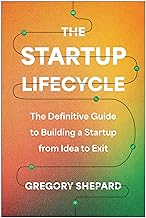
The Startup Lifecycle
Gregory Shepard
The Definitive Guide to Building a Startup from Idea to Exit
4.5 (346)21 mins
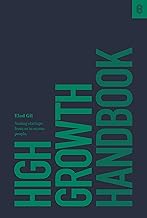
High Growth Handbook
Elad Gil
Scaling Startups from 10 to 10,000 People
4.5 (413)19 mins

The Diary of a CEO
Steven Bartlett
The 33 Laws of Business and Life
4.4 (628)25 mins
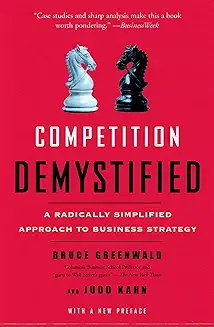
Competition Demystified
Bruce C. Greenwald & Judd Kahn
A Radically Simplified Approach to Business Strategy
4.4 (648)23 mins

The Pumpkin Plan
Mike Michalowicz
A Simple Strategy to Grow a Remarkable Business in Any Field
4.4 (77)24 mins

Talent
Tyler Cowen & Daniel Gross
How to Identify Energizers, Creatives, and Winners Around the World
4.4 (7)24 mins