
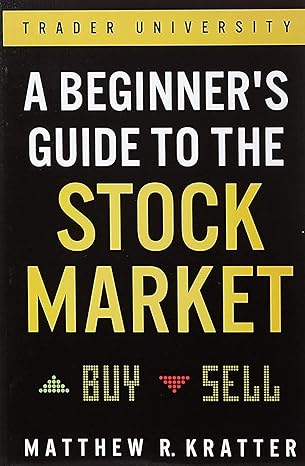
A Beginner's Guide to the Stock Market Summary
By Matthew R. Kratter
Everything You Need to Start Making Money Today
Summary preview
The stock market can look like a giant machine built to confuse you. Prices jump for no obvious reason. TV experts talk fast. Online brokers make it look easy, but that can be dangerous too. The whole world seems to be telling you to invest, yet very few people slow down and explain what you are actually doing when you buy a stock. That is the gap this book tries to fill. It is written for the person who is curious, maybe a little nervous, and tired of feeling left out of a conversation that affects their financial future. The heart of the book is simple. You do not need to be a genius, a math expert, or someone with a huge pile of cash to get started in stocks. You do need a clear framework. You need to know what a stock is, why prices move, how to place trades, and what risks can hurt you if you rush in without a plan. The book strips away the mystery and gives you a practical map. It treats the market less like a casino and more like a place where disciplined people can build wealth over time if they learn the rules and respect the risks. Matthew R. Kratter speaks in a direct, plainspoken voice that feels more like a coach than a lecturer. He is not trying to impress you with jargon. He is trying to save you from common mistakes. Again and again, the message is that beginners often lose money not because the market is impossible, but because they enter it with the wrong expectations. They chase hot tips, trade too often, ignore risk, and assume that more action means more profit. The book pushes back against that mindset. It invites you to think independently, stay patient, and focus on survival first. That matters because if you protect your capital, you give yourself time to learn. As the book unfolds, it walks you through the foundation stones of investing and trading. You learn the basic language of stocks, exchanges, brokers, and orders. You see the difference between investing for the long run and trading for shorter moves. You get introduced to powerful but risky tools like options, short selling, and margin, with plenty of warnings about how easily they can go wrong. The book also highlights the emotional side of the market. Fear and greed are always present, and they can quietly sabotage even the smartest plan. By the end, the purpose is not to turn you into a Wall Street insider overnight. It is to help you begin with confidence, caution, and common sense. It says that your first job is not to get rich fast. Your first job is to understand the game well enough to avoid being the easy target. Once you do that, the market becomes less intimidating and far more useful. It becomes a tool you can learn to use, one careful step at a time.
Sign up to continue reading
Get access to full book summaries, audio of the summaries, and many more.
Similar Books
Books with a similar vibe—explore more like this.
Financial Literacy for Managers
Richard A. Lambert
Finance and Accounting for Better Decision-Making
4.6 (22)22 mins
Accounting for Non-Accountants
Wayne A. Label
The Fast and Easy Way to Learn the Basics
4.0 (10)24 mins
Range
David Epstein
Why Generalists Triumph in a Specialized World
4.6 (3497)28 mins
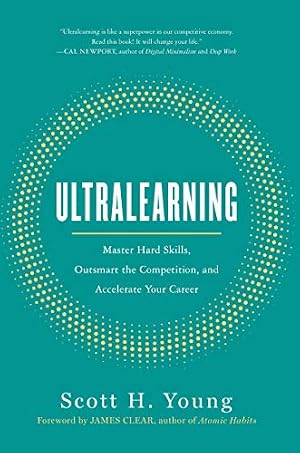
Ultralearning
Scott H. Young
Accelerate Your Career, Master Hard Tasks and Outsmart the Competition
4.6 (328)35 mins
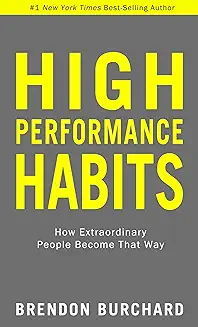
High Performance Habits
Brendon Burchard
How Extraordinary People Become That Way
4.5 (829)27 mins
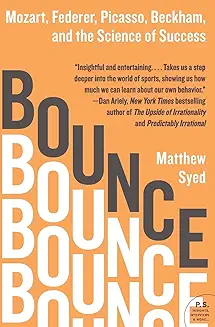
Bounce
Matthew Syed
The Myth of Talent and the Power of Practice
4.5 (983)30 mins

The Little Book of Market Wizards
Jack D. Schwager
Lessons from the Greatest Traders
4.5 (30)23 mins
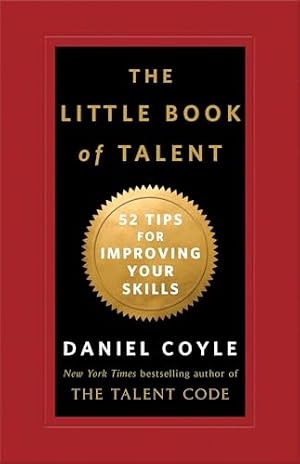
The Little Book of Talent
Daniel Coyle
52 Tips for Improving Your Skills
4.5 (55)24 mins

AQ
Liz Tran
A New Kind of Intelligence for a World That's Always Changing
4.5 (17)24 mins
The Leadership Pipeline
Ram Charan, Stephen Drotter, James L. Noel, Kent Jonasen
Developing Leaders in the Digital Age
4.5 (3)24 mins