
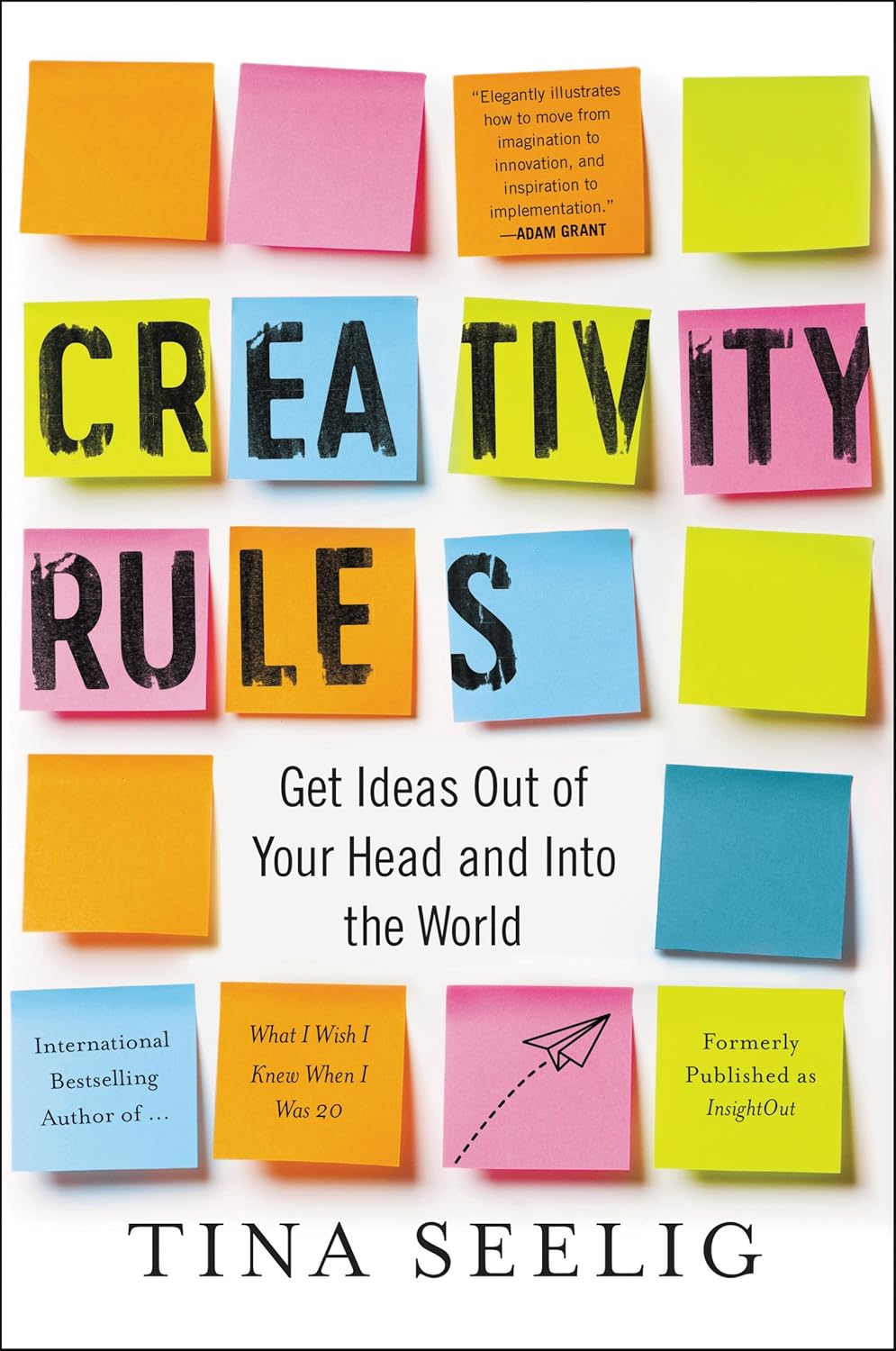
Creativity Rules Summary
By Tina Seelig
Get Ideas Out of Your Head and into the World
Summary preview
Creativity is not a rare gift handed to a lucky few. It is not magic. It is not something you either have or do not have. That is the heartbeat of Creativity Rules. The book invites you to stop treating creativity like a mysterious talent and start seeing it as a set of habits, attitudes, and tools that you can practice every day. Tina Seelig opens the door wide and says, come in, experiment, make a mess, ask better questions, and notice how much more inventive you already are than you think. The real purpose here is not simply to help you make art or start a company, though it can certainly do both. It is to help you build a life in which you respond to problems with curiosity instead of fear. It is to show you how ideas are generated, shaped, tested, and shared. It is to reveal that imagination becomes innovation only when you are willing to connect dots, challenge assumptions, and turn possibility into action. Again and again, the message is practical and energizing. Creative people are not waiting for inspiration to strike. They are setting up conditions where inspiration is more likely to appear. What makes the book so engaging is that it does not stay in the world of theory. It moves through classrooms, laboratories, start ups, family stories, design challenges, and everyday moments where a small shift in perspective changes everything. You see students given odd assignments that force them to rethink what value means. You see teams learning that constraints can spark originality. You see why reframing a problem is often more powerful than rushing toward a solution. And you see why failure, far from being a dead end, can become one of the most useful ingredients in the creative process. At the center of the book is a simple but powerful model called the Innovation Engine. It explains how internal elements such as knowledge, imagination, and attitude interact with external elements such as culture, habitat, and resources. When these parts work together, they generate motion. They help you move from a spark of insight to something real in the world. The model gives structure to what can otherwise feel slippery and vague. It tells you where to look when you feel stuck and what to strengthen when you want to become more inventive. So this is a book about ideas, yes, but even more, it is a book about agency. It reminds you that you can train yourself to ask more daring questions, build more imaginative environments, and become more resilient when things do not go as planned. Creativity Rules is really saying that innovation is a choice supported by practice. If you are willing to pay attention, play seriously, and learn continuously, you can create far more than you imagined.
Sign up to continue reading
Get access to full book summaries, audio of the summaries, and many more.
Similar Books
Books with a similar vibe—explore more like this.
Girl Code
Cara Alwill Leyba
Secrets to Sanity and Success for the Female Entrepreneur
4.9 (4)21 mins
No One Succeeds Alone
Robert Reffkin
Learn Everything You Can from Everyone You Can
4.8 (9)23 mins
The Little Book of Market Wizards
Jack D. Schwager
Lessons from the Greatest Traders
4.5 (30)23 mins
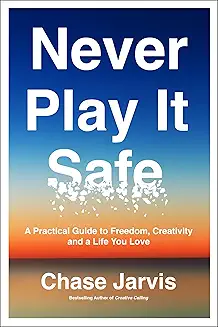
Never Play It Safe
Chase Jarvis
A Practical Guide to Freedom, Creativity, and a Life You Love
4.4 (271)27 mins
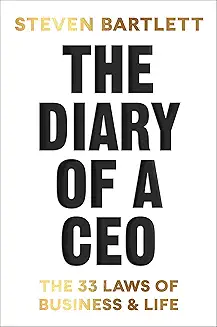
The Diary of a CEO
Steven Bartlett
The 33 Laws of Business and Life
4.4 (628)25 mins
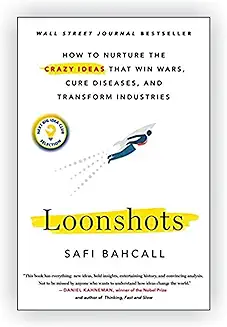
Loonshots
Safi Bahcall
How to Nurture the Crazy Ideas That Win Wars, Cure Diseases, and Transform Industries
4.4 (792)27 mins
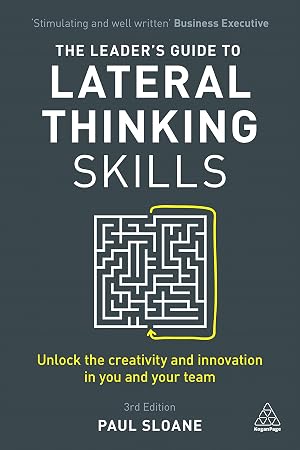
The Leader's Guide to Lateral Thinking Skills
Paul Sloane
Unlock the Creativity and Innovation in You and Your Team
4.4 (22)21 mins
Talent
Tyler Cowen & Daniel Gross
How to Identify Energizers, Creatives, and Winners Around the World
4.4 (7)24 mins
Think Like a Rocket Scientist
Ozan Varol
Simple Strategies You Can Use to Make Giant Leaps in Work and Life
4.3 (626)29 mins
Non-Obvious Thinking
Rohit Bhargava, Ben DuPont
How to See What Others Miss
4.3 (768)18 mins