
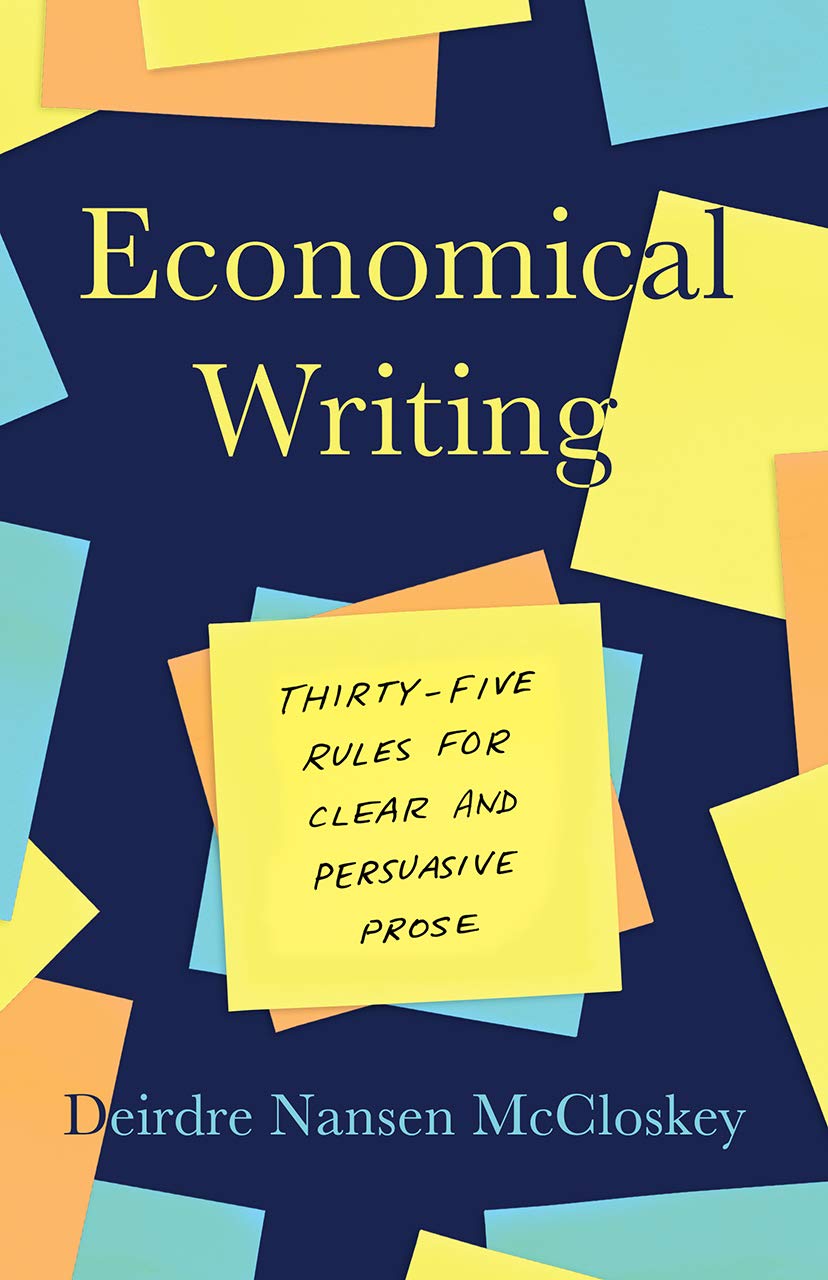
Economical Writing Summary
By Deirdre Nansen McCloskey
Thirty-Five Rules for Clear and Persuasive Prose
Summary preview
Writing badly is one of the great quiet scandals of educated life. We spend years learning to gather facts, run regressions, check footnotes, and master the jargon of a field, yet very little time learning how to say anything clearly to another human being. That is the irritation at the heart of Economical Writing. The book is not a handbook of little rules to make you proper. It is a plea for sense, grace, and kindness in prose. It argues that writing is not a decorative afterthought to thought. Writing is thought made visible. If your prose is muddy, pompous, evasive, or swollen, your thinking is probably muddled too. Deirdre Nansen McCloskey writes as a teacher who has seen generations of students and scholars hide behind long words, passive verbs, abstract nouns, and inherited academic poses. She wants to rescue you from all that. Her advice is practical, witty, and often bracing. She does not merely tell you to avoid clutter. She shows why clutter appears. Usually it comes from fear. You fear sounding simple, so you become obscure. You fear making a claim, so you make a fog. You fear the reader’s judgment, so you imitate the dead style of committees and journals. The result is prose that may look learned but does not communicate. The book’s title carries a little joke. Economical writing is writing that wastes nothing. It spends words as a prudent household spends money. Not stingy, not bare, not joyless, but careful. Every sentence should earn its keep. Every paragraph should move the reader along. Every technical term should justify itself. What matters is not sounding impressive. What matters is giving the reader a clear path from one thought to the next. This is why the book speaks to more than economists, even though it grew out of that world. It is for anyone who writes reports, articles, theses, policy memos, business emails, or books. It is especially for people whose professions tempt them into lifeless prose. McCloskey insists that the virtues of good writing are much the same everywhere. Prefer concrete words to cloudy ones. Prefer active verbs to noun piles. Put the important point where the reader can see it. Revise without mercy. Read your work aloud. Remember always that a reader is not your enemy or your examiner but your guest. What follows is a sustained invitation to write with honesty and nerve. The book teaches technique, certainly, but beneath the technique lies a moral claim. Clear writing respects other people’s time and intelligence. It says, I have thought this through, and I care enough to make it plain. That is a small act of generosity and a large act of discipline. Economical Writing asks you to practice both.
Sign up to continue reading
Get access to full book summaries, audio of the summaries, and many more.
Similar Books
Books with a similar vibe—explore more like this.
Cold Calling Sucks (And That's Why It Works)
Nick Cegelski, Armand Farrokh
A Step-by-Step Guide to Calling Strangers in Sales
4.8 (459)20 mins
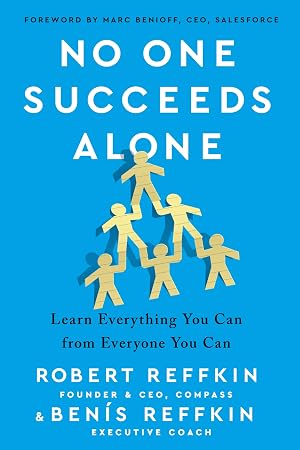
No One Succeeds Alone
Robert Reffkin
Learn Everything You Can from Everyone You Can
4.8 (9)23 mins
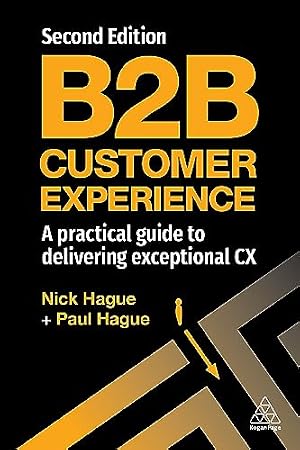
B2B Customer Experience
Paul Hague & Nicholas Hague
A Practical Guide to Delivering Exceptional CX
4.7 (4)26 mins
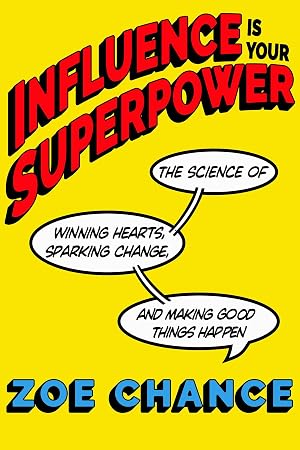
Influence is Your Superpower
Zoe Chance
The Science of Winning Hearts, Sparking Change, and Making Good Things Happen
4.7 (149)23 mins
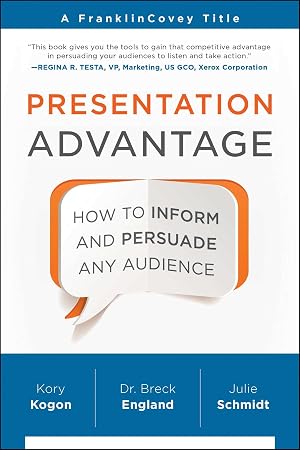
Presentation Advantage
Kory Kogon, Breck England and Julie Schmidt
How to Inform and Persuade Any Audience
4.7 (72)19 mins
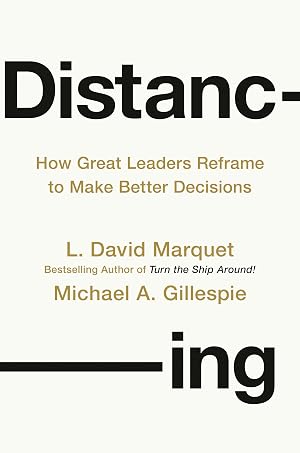
Distancing
L. David Marquet, Michael A. Gillespie
How Great Leaders Reframe to Make Better Decisions
4.7 (22)24 mins

The New Emotional Intelligence
Travis Bradberry
Master your emotional skills for lasting success
4.7 (48)22 mins
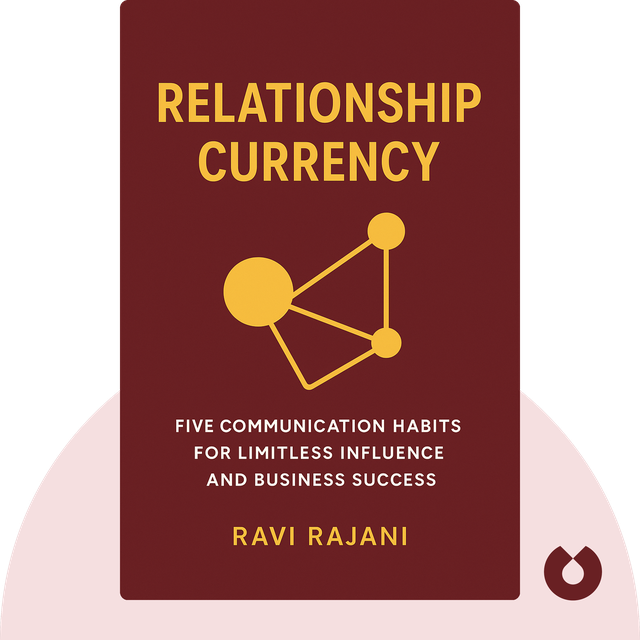
Relationship Currency
Ravi Rajani
Five Communication Habits For Limitless Influence and Success
4.7 (34)21 mins
How to Win Friends & Influence People
Dale Carnegie
Basic rules for how to make a good first impression
4.6 (545)25 mins
Coaching for Performance
Sir John Whitmore
The Principles and Practice of Coaching and Leadership
4.6 (219)24 mins