

Flow Summary
By Mihaly Csikszentmihalyi
The Psychology of Optimal Experience
Summary preview
Most of us spend our lives chasing happiness as if it were hiding somewhere outside us, waiting in success, money, comfort, admiration, or luck. Yet again and again, even when people get what they thought they wanted, the feeling fades. Pleasure passes. Excitement cools. Anxiety returns. What this book asks is both simple and radical. What if the quality of life depends less on what happens to us and more on how we shape our inner experience moment by moment? That is the heart of Flow. Mihaly Csikszentmihalyi invites you to look at consciousness as the most precious thing you possess. Every thought, desire, memory, and emotion competes for limited attention. Where attention goes, life follows. If your mind is constantly pulled by fear, boredom, regret, and distraction, then even a privileged life can feel empty. But if you learn to order consciousness, to direct psychic energy toward meaningful goals, then even difficulty can become deeply rewarding. The book grows from years of listening to people who do not merely endure life but seem fully alive in it. Artists, climbers, surgeons, dancers, chess players, scientists, craftspeople, and ordinary workers described moments when action flowed effortlessly, when self consciousness disappeared, when time changed shape, and when the activity itself felt worth doing for its own sake. This state, called flow, is not a luxury for a gifted few. It is a possibility built into human nature. What makes the idea so powerful is that it does not depend on passive enjoyment. Flow is not the same as relaxation, indulgence, or escape. It comes when you are stretched just enough, when your skills meet a challenge that matters, when the goal is clear, when feedback is immediate, and when your whole being is gathered into one direction. These moments feel good, yes, but more than that, they build complexity in the self. They make you more capable, more integrated, more alive. At the same time, the book is not naive. Life contains pain, disorder, loss, and chaos. Our minds are naturally vulnerable to entropy. Left unattended, attention drifts toward worry and confusion. Culture offers supports, but many of them weaken over time. So the task becomes personal. You must learn how to transform experience. You must learn how to find meaning not after life becomes easy, but while life remains uncertain. What follows is a map of how this happens. It moves from the structure of consciousness to the conditions of enjoyment, then outward through body, thought, work, relationships, suffering, and purpose. The promise is not constant bliss. It is something stronger and more realistic. It is the chance to build a life in which awareness is not scattered but harmonized, and where happiness is not something that happens to you, but something you learn to create.
Sign up to continue reading
Get access to full book summaries, audio of the summaries, and many more.
Similar Books
Books with a similar vibe—explore more like this.
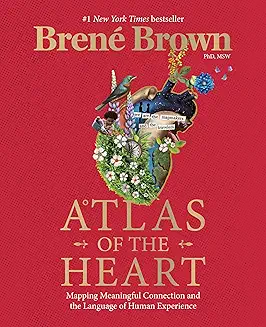
Atlas of the Heart
Brené Brown
Mapping Meaningful Connection and the Language of Human Experience
4.5 (1028)31 mins
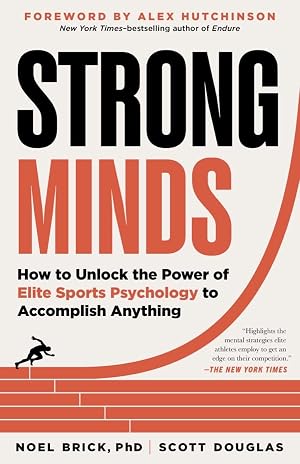
Strong Minds
Noel Brick
Unlock the Power of Elite Sports Psychology
4.4 (40) mins
A Radical Guide for Women with ADHD
Sari Solden, Michelle Frank
Embrace Neurodiversity, Live Boldly, and Break Through Barriers
4.2 (253)23 mins
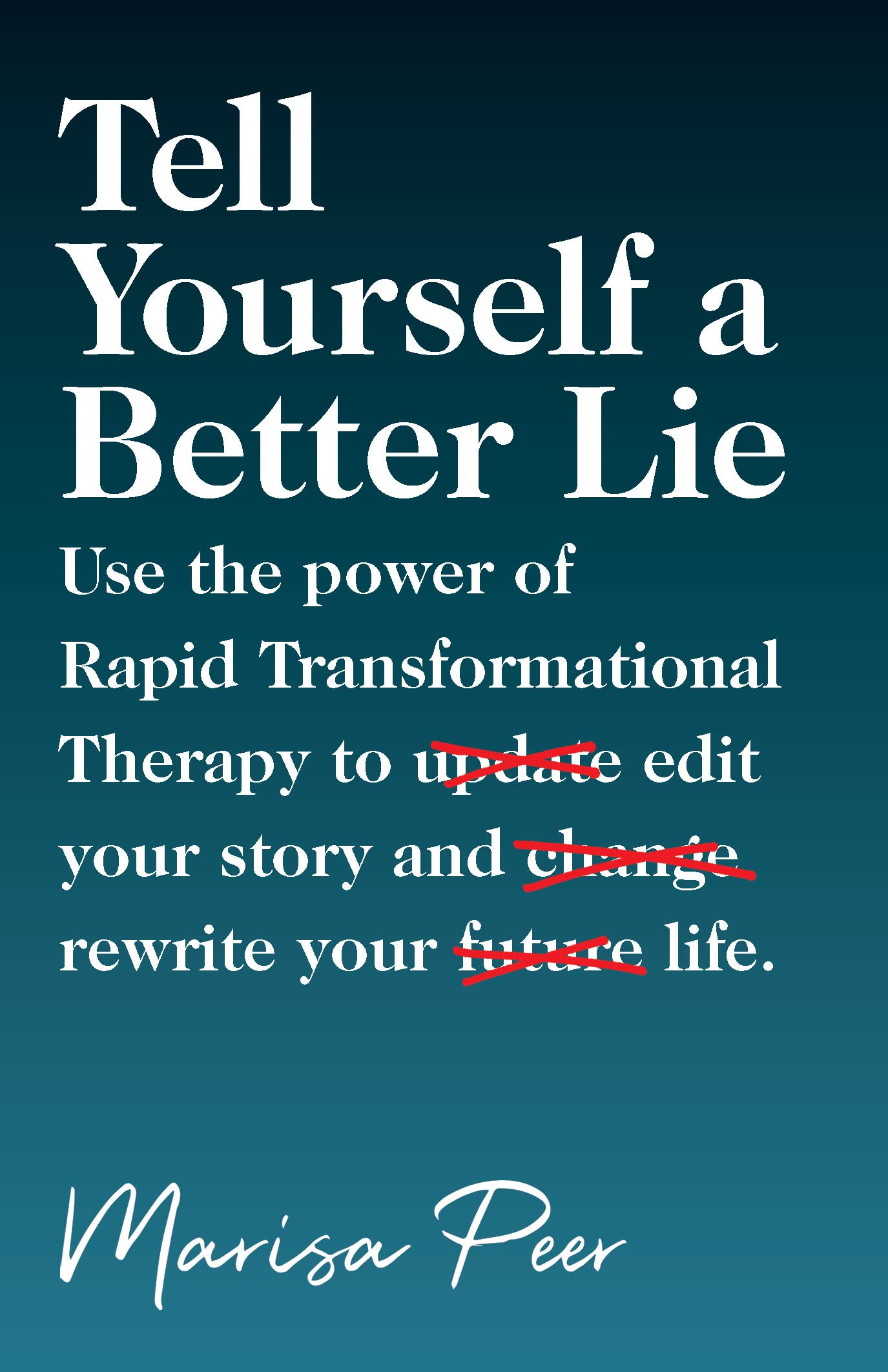
Tell Yourself a Better Lie
Marisa Peer
Use the power of Rapid Transformational Therapy to edit your story and rewrite your life
3.5 (335)25 mins
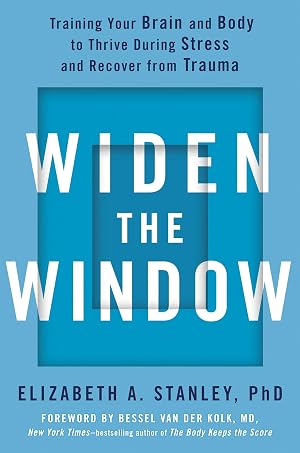
Widen the Window
Elizabeth A. Stanley
Training Your Brain and Body to Thrive During Stress and Recover from Trauma
4.8 (158) mins
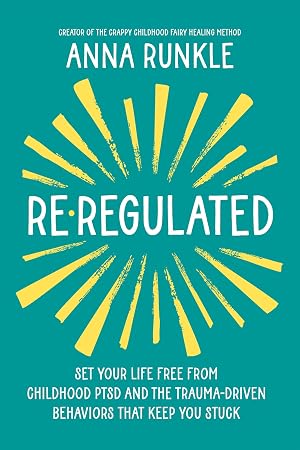
Re-Regulated
Anna Runkle
Set Your Life Free from Childhood PTSD
4.8 (10) mins
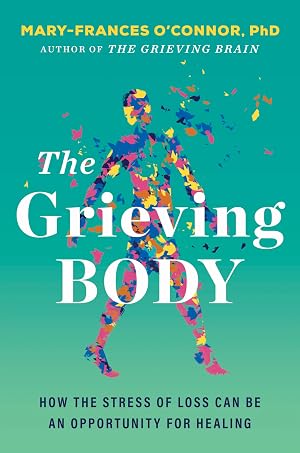
The Grieving Body
Mary-Frances O'Connor
How the Stress of Loss Can Be an Opportunity for Healing
4.7 (9)22 mins
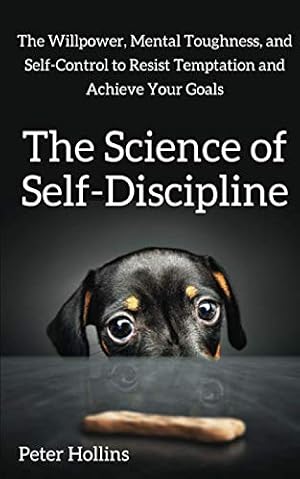
The Science of Self-Discipline
Peter Hollins
Resist Temptation and Achieve Your Goals
4.7 (71)20 mins
The How of Happiness
Sonja Lyubomirsky
A New Approach to Getting the Life You Want
4.6 (309)27 mins
My Grandmother's Hands
Resmaa Menakem
Racialized Trauma and the Pathway to Mending Our Hearts and Bodies
4.6 (167)30 mins