
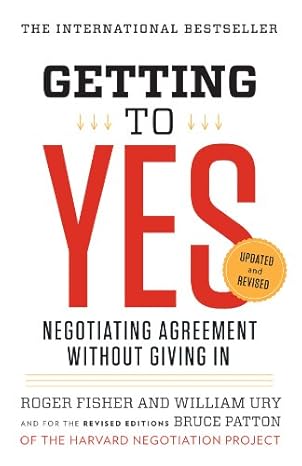
Getting to Yes Summary
By Roger Fisher, William Ury & Bruce Patton
Negotiating an Agreement Without Giving In
Summary preview
Most of us think of negotiation as a clash of wills. Two sides walk in, each with demands, each guarding their position, each afraid that giving an inch means losing ground. We picture haggling in markets, tense labor talks, custody battles, diplomatic standoffs, office arguments, and family disputes that seem to go in circles forever. What this book tries to do is quietly turn that whole picture around. It says negotiation is not a contest to see who can be tougher. It is a practical way to reach wise agreements without damaging relationships and without surrendering what matters to you. Roger Fisher, William Ury & Bruce Patton begin from a simple fact. Whether you like it or not, you are a negotiator. You negotiate with a spouse about plans, with children about rules, with a boss about responsibilities, with strangers about money, time, and fairness. The question is not whether you negotiate. The question is how. If you bargain by taking positions, you often end up exhausted, angry, and stuck. One person says yes to protect the relationship and feels used. Another fights for every point and wins something today while poisoning tomorrow. Most people swing between being soft and being hard, as if those are the only choices. The book offers a third way. It calls it principled negotiation, and it rests on a few sturdy ideas. Separate the people from the problem. Focus on interests, not positions. Invent options for mutual gain. Insist on using objective criteria. These ideas sound modest at first, but they reach into almost every kind of conflict. They help when the stakes are small, such as deciding who washes dishes, and when the stakes are enormous, such as settling a lawsuit or opening talks between hostile governments. What makes the book enduring is that it is not selling charm, manipulation, or clever tricks. It is not about outsmarting the other side. It is about improving the process so that better outcomes become possible. You are asked to be both humane and firm. Humane toward the people, because emotions, fears, perceptions, and communication all shape the conflict. Firm about the merits, because agreements should satisfy legitimate interests and stand on standards independent of raw pressure. Again and again, the message is hopeful but unsentimental. You cannot control the other side. They may be stronger, angrier, or more stubborn than you. They may use dirty tactics. They may refuse to play fair. Even then, you are not helpless. You can prepare. You can ask better questions. You can uncover what really matters. You can build alternatives. You can test proposals against standards of fairness. You can negotiate in a way that protects both your interests and your self respect. That is the path laid out here, and once you see it clearly, many ordinary conflicts start to look different.
Sign up to continue reading
Get access to full book summaries, audio of the summaries, and many more.
Similar Books
Books with a similar vibe—explore more like this.
Cold Calling Sucks (And That's Why It Works)
Nick Cegelski, Armand Farrokh
A Step-by-Step Guide to Calling Strangers in Sales
4.8 (459)20 mins

B2B Customer Experience
Paul Hague & Nicholas Hague
A Practical Guide to Delivering Exceptional CX
4.7 (4) mins
Relationship Currency
Ravi Rajani
Five Communication Habits For Limitless Influence and Success
4.7 (34) mins
Sell Like A Spy
Jeremy Hurewitz
The Art of Persuasion from the World of Espionage
4.5 (312)21 mins
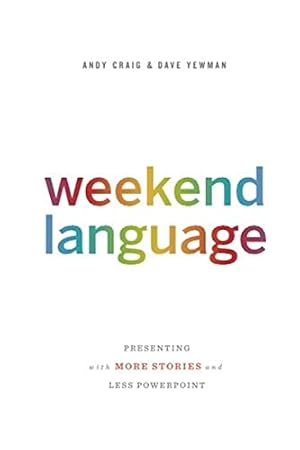
Weekend Language
Andy Craig, Dave Yewman
Presenting with More Stories and Less PowerPoint
4.4 (10) mins

Click Here
Alex Schultz
The Art and Science of Digital Marketing and Advertising
4.4 (6)25 mins
Crucial Conversations
Kerry Patterson, Joseph Grenny, Ron McMillan, Al Switzler
Tools for Talking When Stakes Are High
4.3 (658)32 mins
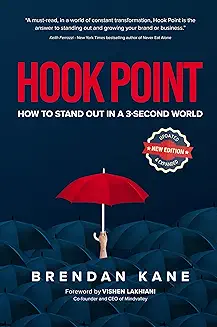
Hook Point
Brendan Kane
How to Stand Out in a 3-Second World
4.3 (233)22 mins
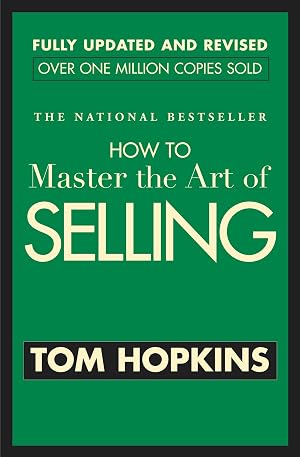
How to Master the Art of Selling
Tom Hopkins
Boost Your Sales Skills With Proven Strategies and Techniques
4.3 (22) mins
Email Marketing Demystified
Matthew Paulson
A Step-By-Step Guide to Building a Massive Mailing List, Writing Copy That Converts and Generating More Sales Through Email Mark
3.5 (4) mins