
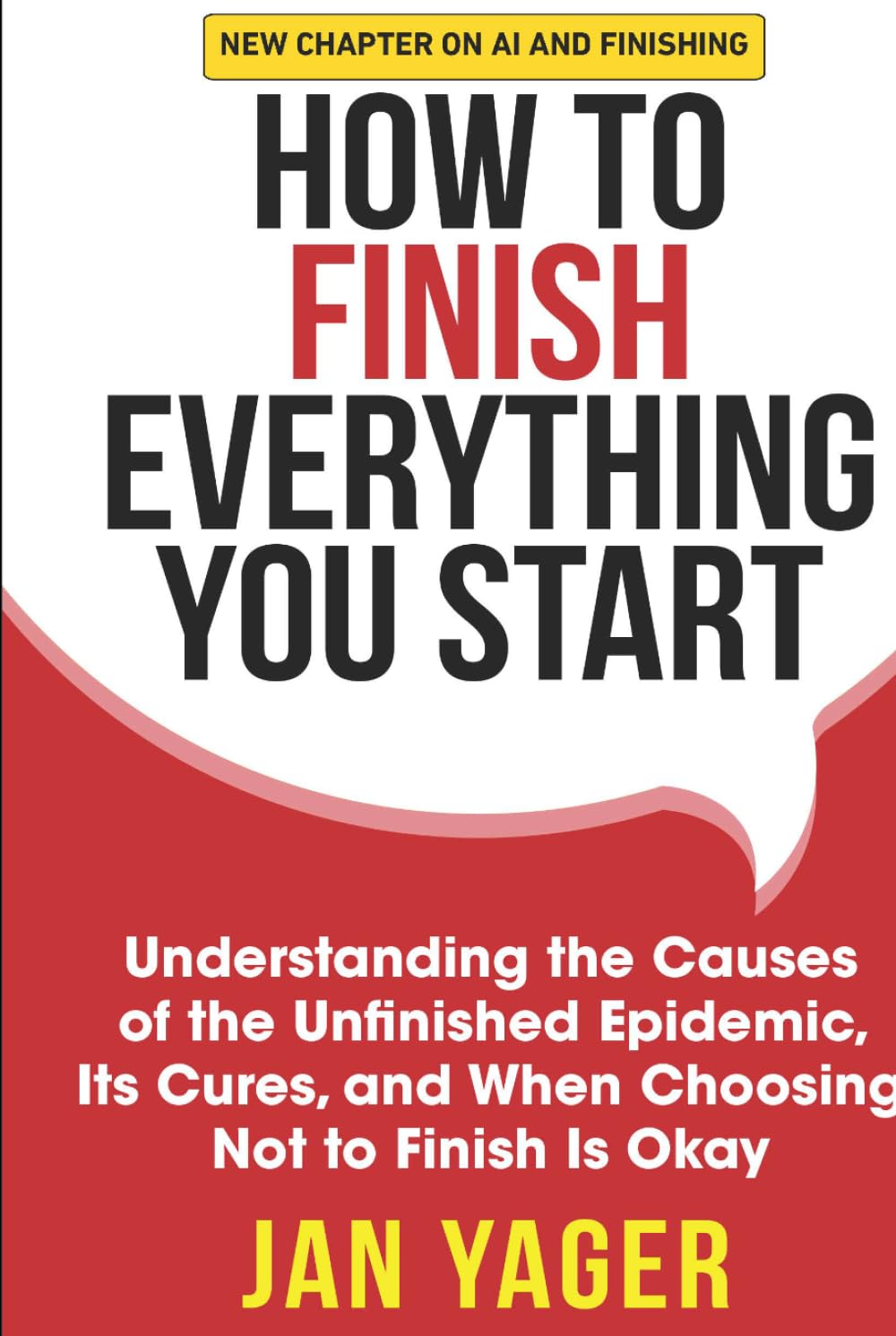
How to Finish Everything You Start Summary
By Jan Yager
Habits to Transform Your Life
Summary preview
Most people do not have a problem starting. They have ideas, hopes, plans, lists, and good intentions. They buy notebooks, sign up for classes, clear off desks, make promises to themselves, and say this time will be different. Then something happens. Energy fades. Doubt creeps in. A small delay turns into a long pause. What began with excitement is left sitting in a drawer, in a computer file, in a half cleaned closet, or in the back of the mind as another thing that never got done. That is the everyday problem this book takes on. It is not really about laziness, and it is not just about time management. It is about the gap between intention and completion. It is about why bright, capable, hard working people leave projects unfinished, and what they can do to break that pattern. The focus is practical from the start. The goal is not to admire productivity from a distance. The goal is to help you finish what matters, more often and with less struggle. Jan Yager approaches the subject with a mix of encouragement and honesty. The message is simple but powerful. Finishing is a skill. Like any skill, it can be learned, strengthened, and practiced. You do not need a perfect personality. You do not need endless motivation. You do not need to become some different kind of person overnight. What you do need is self awareness, a few clear methods, and the willingness to look closely at what keeps tripping you up. The book moves through the many reasons people stall. Some get overwhelmed by the size of a task. Some are perfectionists who make beginning or ending harder than it has to be. Some are pulled away by distractions, interruptions, and too many commitments. Others secretly fear success, fear criticism, or fear the empty space that might come after completion. There are also practical barriers, such as poor planning, weak habits, lack of support, and unrealistic expectations about how work actually gets done. What makes the book useful is that it does not stop at diagnosis. It offers tools for each obstacle. You are shown how to set better goals, divide a large job into workable parts, create deadlines that mean something, protect your attention, ask for help, build accountability, and recover when you slip. You are also reminded that not everything should be finished. Sometimes the wiser move is to let go of a project that no longer fits your life or values. Finishing everything you start does not mean clinging to every idea forever. It means learning how to choose well, commit wisely, and follow through with purpose. By the time you move through these pages, the act of finishing no longer looks like a mysterious gift other people were born with. It looks like a series of decisions and behaviors you can practice. The promise running through the whole book is reassuring. Completion is not reserved for the naturally disciplined. It belongs to those who learn...
Sign up to continue reading
Get access to full book summaries, audio of the summaries, and many more.
Similar Books
Books with a similar vibe—explore more like this.
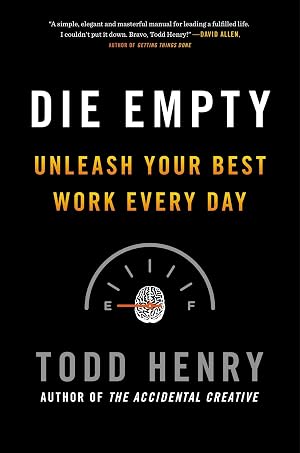
Die Empty
Todd Henry
Unleash Your Best Work Every Day
4.6 (40)22 mins
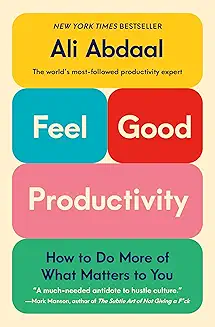
Feel-Good Productivity
Ali Abdaal
How to Do More of What Matters to You
4.5 (1198)15 mins
The Art of Laziness
Library Mindset
Overcome Procrastination & Improve Your Productivity
4.5 (52) mins
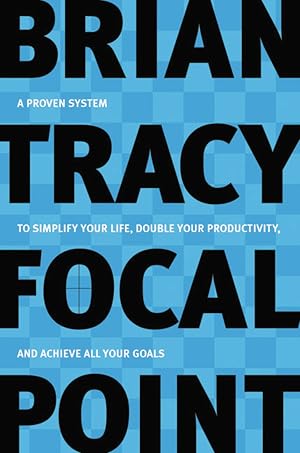
Focal Point
Brian Tracy
Simplify Life, Double Productivity, Achieve Your Goals
4.3 (32) mins
Surrender to Lead
Jessica Kriegel, Joe Terry
The Counterintuitive Approach to Driving Extraordinary Results
4.9 (7) mins

Girl Code
Cara Alwill Leyba
Secrets to Sanity and Success for the Female Entrepreneur
4.9 (4) mins
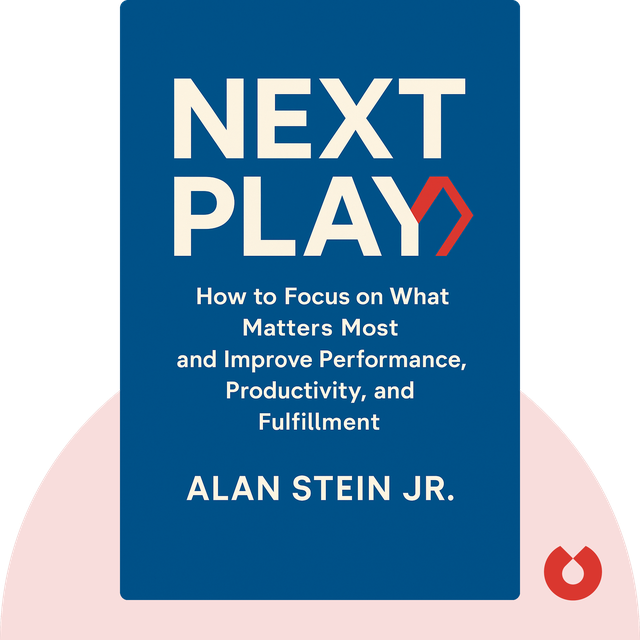
Next Play
Alan Stein Jr.
Improve Team Performance, Productivity, and Fulfillment
4.9 (34) mins
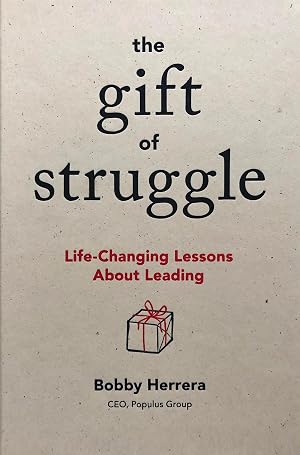
The Gift of Struggle
Bobby Herrera
Life-Changing Lessons About Leading
4.8 (22)21 mins
The Opposite of Settling
Case Kenny
Get What You Want in Love and Life, Without Losing Your Spark
4.8 (13) mins
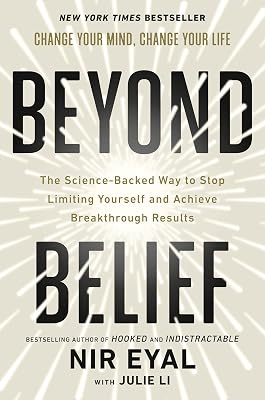
Beyond Belief
Nir Eyal
How to Stop Limiting Yourself and Achieve Breakthrough Results
4.8 (50) mins