
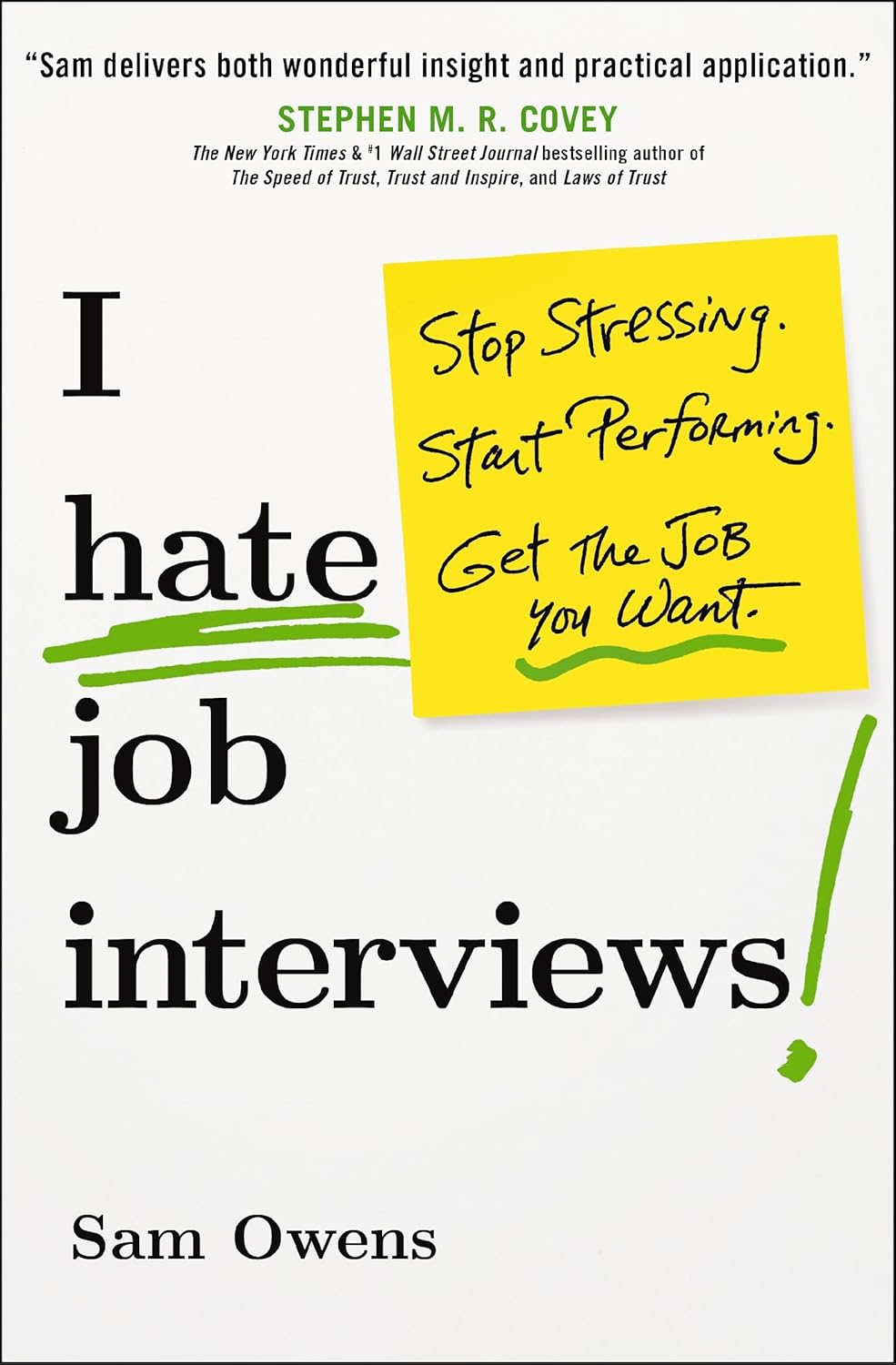
I Hate Job Interviews Summary
By Sam Owens
Stop Stressing. Start Performing. Get the Job You Want.
Summary preview
Most people walk into job interviews feeling like they are about to be judged, trapped, or politely rejected. That dread is the heart of this book. Sam Owens starts from a simple truth that almost nobody says out loud. Job interviews feel awful because they are set up in a way that makes smart, capable people act nervous, stiff, and forgettable. You are trying to prove your value in a short conversation with strangers who hold power over your future. Of course that feels bad. Of course it makes people freeze. But the big promise here is that interviews do not have to feel mysterious or impossible. They are not some magical test that only natural charmers can pass. They are a learnable game with patterns, expectations, and repeated moves. Once you understand what interviewers are actually looking for, and once you know how to shape your answers with intention, the whole thing becomes far less personal and far more practical. The point is not to become fake. The point is to become clear, memorable, and easy to hire. At its core, this book is a playbook for taking back control. It teaches you how to prepare in a way that builds confidence instead of panic. It shows you how to talk about yourself without rambling or shrinking. It explains how to answer hard questions, how to tell stories that prove your strengths, and how to avoid the common mistakes that make great candidates sound weak. Again and again, the message is that success in interviews comes less from raw talent and more from strategy. A big part of what makes this approach useful is its honesty. There is no dreamy advice about just being yourself and hoping the right people notice. Instead, you are told to think like the person doing the hiring. What problem are they trying to solve? What fears are they carrying into the interview? What kind of evidence would make them relax and trust you? That shift changes everything. When you stop seeing the interview as a performance of your worth and start seeing it as a chance to reduce their uncertainty, your answers become stronger. The book also keeps returning to one freeing idea. You do not need perfect answers. You need believable, organized, relevant answers. Interviewers are not waiting for a flawless speech. They are listening for signs that you can do the job, work well with others, learn quickly, and handle pressure without becoming a mess. If you can give them those signals consistently, you stand out. What follows is a practical guide to doing exactly that. It moves from mindset to preparation, from storytelling to handling traps, from first impressions to final follow up. By the end, the interview stops looking like a wall and starts looking like a series of small, manageable moments you can prepare for and handle well.
Sign up to continue reading
Get access to full book summaries, audio of the summaries, and many more.
Similar Books
Books with a similar vibe—explore more like this.
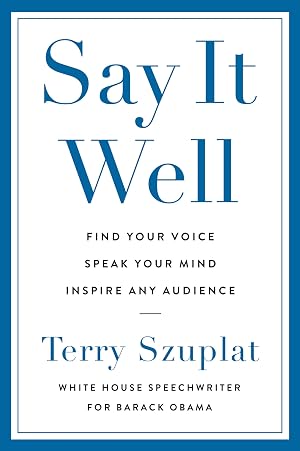
Say It Well
Terry Szuplat
Find Your Voice, Speak Your Mind, Inspire Any Audience
4.5 (19)22 mins
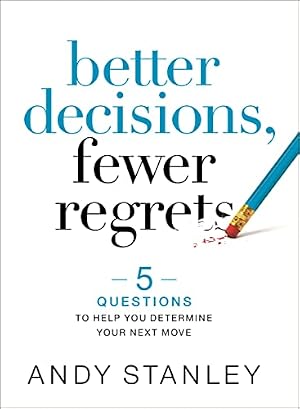
Better Decisions, Fewer Regrets
Andy Stanley
5 Questions to Help You Determine Your Next Move
4.4 (79)23 mins
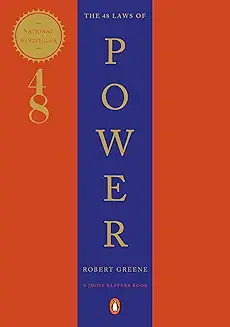
The 48 Laws of Power
Robert Greene
The secret methods to getting what you want
4.2 (723)31 mins
Quick Confidence
Selena Rezvani
Be Authentic, Boost Connections, and Make Bold Bets on Yourself
4.0 (20)18 mins
Surrender to Lead
Jessica Kriegel, Joe Terry
The Counterintuitive Approach to Driving Extraordinary Results
4.9 (7)21 mins
Girl Code
Cara Alwill Leyba
Secrets to Sanity and Success for the Female Entrepreneur
4.9 (4)21 mins
The Gift of Struggle
Bobby Herrera
Life-Changing Lessons About Leading
4.8 (22)21 mins
The Opposite of Settling
Case Kenny
Get What You Want in Love and Life, Without Losing Your Spark
4.8 (13)25 mins
No One Succeeds Alone
Robert Reffkin
Learn Everything You Can from Everyone You Can
4.8 (9)23 mins
The Score That Matters
Ryan Hawk, Brook Cupps
Growing Excellence in Yourself and Those You Lead
4.7 (368)17 mins