
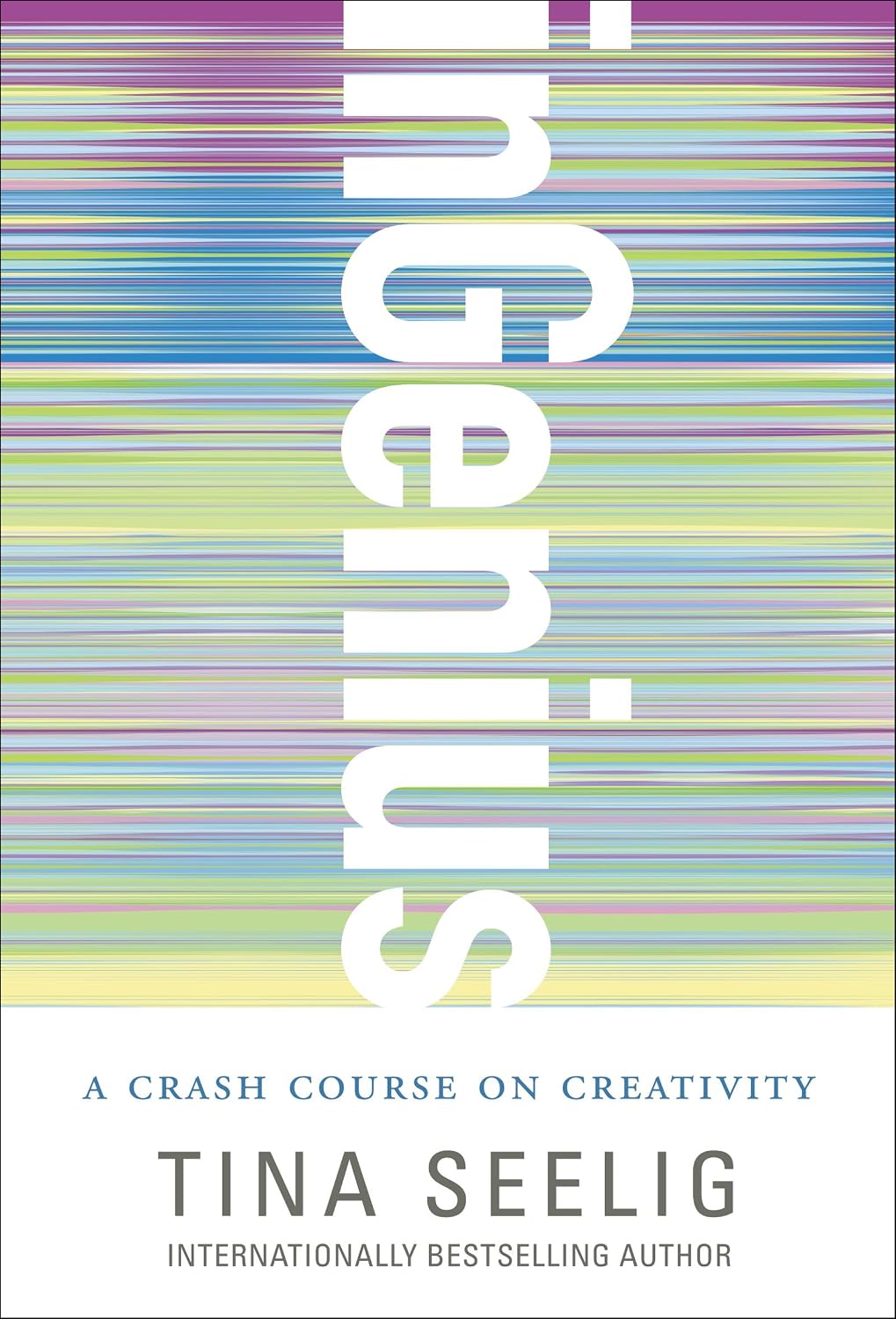
Summary preview
Creativity often gets treated like a mysterious gift, something a lucky few are born with and everyone else can only admire from a distance. InGenius turns that story upside down. It invites you to see creativity not as a lightning strike, but as a process you can understand, shape, and strengthen. The heart of the book is simple and powerful. Imagination is not random. Innovation is not magic. And entrepreneurial thinking is not reserved for people who launch companies in garages and become legends. These are skills, habits, and ways of seeing the world that any of us can build. Tina Seelig opens the door by showing that brilliant ideas do not appear out of nowhere. They grow from the interaction between your inner world and your outer world. Inside you are your knowledge, imagination, and attitude. Around you are your resources, habitat, and culture. When these six forces work together, ideas become more likely, more practical, and more original. When they clash or stay underused, even talented people can feel stuck. That is one of the most freeing messages in the book. If creativity feels blocked, the answer is not to wait passively. The answer is to adjust the system. The book is filled with stories from classrooms, startups, laboratories, design studios, and everyday life. These examples make the ideas feel alive. You see students turning tiny assignments into big discoveries. You see inventors reframing problems in surprising ways. You see how constraints, which so many people fear, can actually become fuel. Again and again, the message is that creative people learn to ask better questions, notice hidden assumptions, and transform obstacles into opportunities. What makes this book especially engaging is its energy. It does not just explain how creative thinking works. It nudges you to practice it. You are encouraged to experiment, to become comfortable with ambiguity, and to realize that failure is not proof that you lack talent. It is information. It is part of the route. The book also makes a larger point about leadership and education. If we want more innovation in our organizations, schools, and communities, we have to design environments that reward curiosity, initiative, and problem solving. By the time you move through these ideas, you begin to see creativity everywhere. It is in how you define a challenge, how you use what is available, how you collaborate, and how you respond when things do not go as planned. InGenius is really about learning to engineer your own inventiveness. It gives you a map for turning sparks into action and action into impact.
Sign up to continue reading
Get access to full book summaries, audio of the summaries, and many more.
Similar Books
Books with a similar vibe—explore more like this.

The Song of Roland
Anonymous
Enter a World of Medieval Heroism, Where Honor Reigns Supreme
4.9 (3)20 mins
Othello
William Shakespeare
Love, Betrayal, and the Fall of a Hero
4.8 (14)22 mins
We Have Always Lived in the Castle
Shirley Jackson
Enter a Disturbing Labyrinth of Family Secrets and Dark Neurosis
4.8 (5)14 mins
Show Your Work!
Austin Kleon
10 Ways to Share Your Creativity and Get Discovered
4.7 (1129)26 mins
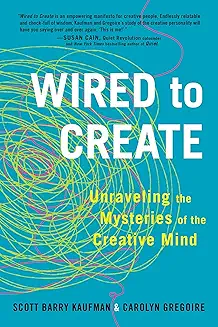
Wired to Create
Scott Barry Kaufman
Unraveling the Mysteries of the Creative Mind
4.7 (1384)34 mins
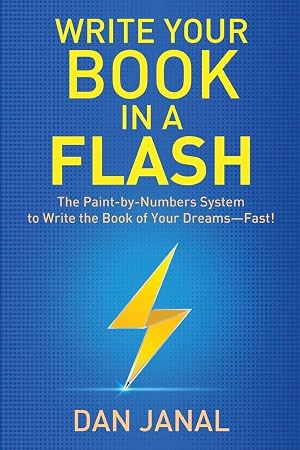
Write Your Book in a Flash
Dan Janal
The Paint-by-Numbers System to Write the Book of Your Dreams—FAST!
4.7 (31)27 mins
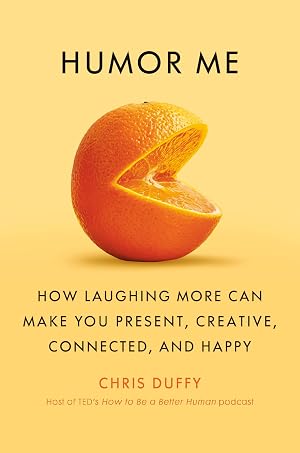
Humor Me
Christopher Duffy
How Laughing More Can Make You Present, Creative, Connected, and Happy
4.7 (28)23 mins

The Creative Act
Rick Rubin
A Way of Being
4.6 (512)27 mins
How to Think Like Leonardo da Vinci
Michael J. Gelb
Seven Steps to Genius Every Day
4.6 (180)25 mins
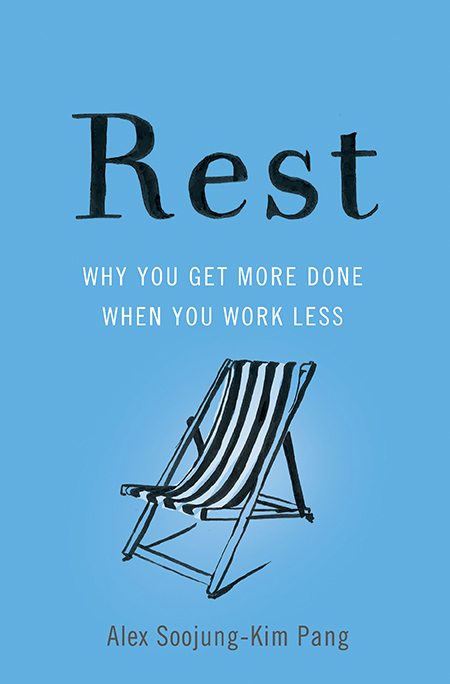
Rest
Alex Soojung-Kim Pang
Why You Get More Done When You Work Less
4.6 (313)30 mins