
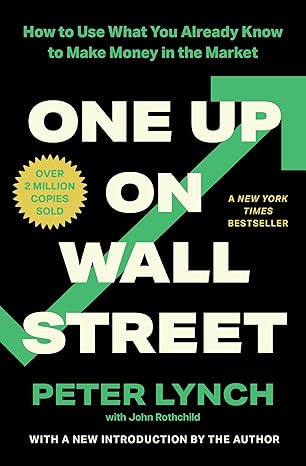
One Up On Wall Street
By Peter Lynch
A legendary investor's guide to picking winning stocks
Introduction
Most people think investing is a secret club. They imagine a room full of experts in expensive suits, staring at glowing screens, using language regular human beings are not supposed to understand. One Up On Wall Street sets out to smash that idea. The basic message is simple and cheerful. You do not need a PhD in economics, a perfect market forecast, or a hotline to Wall Street to find good investments. In fact, the ordinary person often starts with a real edge. You see products in stores, hear about new trends at work, notice which restaurants are packed, and know when a company is doing something smart before the professionals catch on. That everyday advantage is the heart of the book. Peter Lynch writes like someone talking across the kitchen table, not giving a lecture. He wants you to stop being scared of stocks and start using common sense. He does not promise magic. He does not say every hunch will make money. What he says is more useful. If you stay curious, do your homework, and learn what kind of company you are looking at, you can invest far better than most people think. The market is full of noise, predictions, and panic, but behind all that are actual businesses selling actual things to actual customers. If you understand the business, you are already halfway to understanding the stock. The book moves from attitude to method. First it rebuilds your confidence. Then it teaches you how to spot opportunities in daily life, how to sort companies into useful categories, what financial clues matter, and what warning signs to avoid. Along the way, it keeps coming back to a few stubborn truths. A good story is not enough. A stock is not a lottery ticket. A falling stock is not automatically cheap. And a company with a dull name in a boring industry can sometimes be exactly where the biggest rewards hide. What makes the whole thing stick is the mix of practicality and personality. There are stories from fund management, examples of famous winners and painful losers, and a constant nudge to think independently. You are encouraged to ask plain questions. What does the company do? How does it make money? Can it grow? Is the balance sheet solid? Is the stock price already too high for the good news everyone is excited about? Those questions matter much more than broad market forecasts. By the end, the purpose becomes clear. This is not really a book about beating other people. It is a book about seeing clearly. If you can separate a great business from a fashionable story, patience from passivity, and research from rumor, you give yourself a chance to do very well. The whole adventure begins with a refreshing idea. The best place to look for winning stocks may be much closer to home than you ever imagined.
Sign up to continue reading
Get access to full book summaries, audio of the summaries, and many more.
Similar Books
Books with a similar vibe—explore more like this.
The Bitcoin Standard
Saifedean Ammous
The Decentralized Alternative to Central Banking
4.6 (291)34 mins
The Big Short
Michael Lewis
Inside the Doomsday Machine
4.5 (1357)36 mins
Money: Master the Game
Tony Robbins
7 Simple Steps to Financial Freedom
4.5 (1785)30 mins
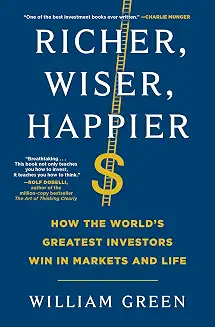
Richer, Wiser, Happier
William Green
How the World's Greatest Investors Win in Markets and Life
4.5 (567)38 mins
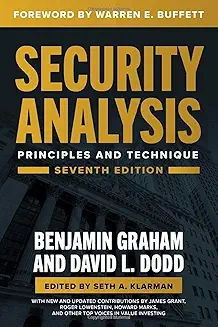
Security Analysis
Benjamin Graham & David Dodd
Principles and Techniques
4.4 (748)26 mins
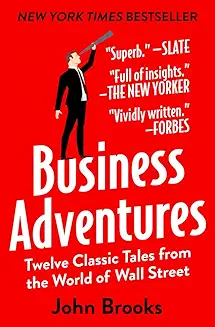
Business Adventures
John Brooks
Twelve Classic Tales from the World of Wall Street
4.4 (593)35 mins
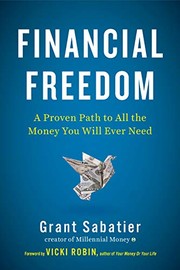
Financial Freedom
Grant Sabatier
A Proven Path to All the Money You Will Ever Need
4.2 (582)32 mins
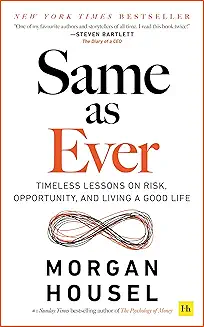
Same as Ever
Morgan Housel
A Guide to What Never Changes
4.2 (426)24 mins
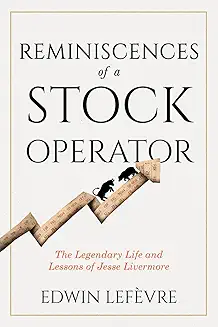
Reminiscences of a Stock Operator
Edwin Lefèvre
The classic fictionalized portrait of a stock trader
4.2 (605)38 mins
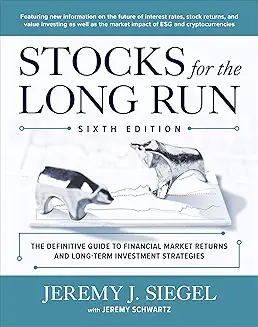
Stocks for the Long Run
Jeremy J. Siegel
The definitive case for long-term stock market investing
4.2 (1078)37 mins