

The Apology Impulse Summary
By Cary Cooper, Sean O'Meara
How the Business World Ruined Sorry and Why We Can’t Stop Saying It
Summary preview
In a world where saying sorry has become almost a reflexive response, The Apology Impulse invites you to take a closer look at why we feel compelled to apologize – even when we might not truly believe we have done something wrong. From the very first page, the book challenges the reader to question how the act of apologizing has evolved into a cultural phenomenon that permeates our interactions. Written in a warm, engaging tone, the text does not merely provide an academic dissection of apologies but rather offers a narrative that speaks to the heart of our social interactions. It is as if the authors are having an honest conversation with you, urging you to think critically about the contexts in which apologies are made and the consequences they carry. The book sets the stage by exploring the deep-seated roots behind the desire to apologize, explaining that this impulse is not just a matter of etiquette but is deeply intertwined with our psychological makeup and social conditioning. You are led through a journey that spans historical changes in how apologies are perceived, touching upon how societal shifts have transformed a once straightforward form of contrition into a multifaceted social ritual. This narrative is punctuated by thoughtful insights that unravel the traditional ideas of remorse, responsibility, and the balance between individual agency and social expectations. Throughout the text, the reader is invited to reflect on personal experiences with apologies while also considering broader societal implications. The authors raise provocative questions about whether the overuse of apologies may dilute their meaning and even harm interpersonal relationships. They articulate that our eagerness to apologize can sometimes stem from a misplaced sense of guilt or an ingrained need to maintain a façade of humility when, in reality, what is needed might be a thoughtful conversation about accountability. The introduction also serves as a precursor to the in-depth analysis that follows; it outlines how the book will deconstruct the many layers of the apology impulse. It sets a conversational tone that is both inviting and challenging, urging you to rethink your own habits and the ways you respond to conflict, criticism, and social pressures. It also hints at a more nuanced understanding of how apologies can be both a tool for healing and, paradoxically, a means of perpetuating a culture that stifles frank communication. By drawing you into its rich tapestry of ideas, the book promises to equip you with a fresh perspective on the importance of discerning genuine remorse from automatic politeness. It encourages a shift from blind contrition to a more thoughtful, empathetic approach to acknowledging mistakes. This introduction, therefore, is not simply an opening remark but a call to pay attention and re-evaluate long-held beliefs about the very nature of saying sorry.
Sign up to continue reading
Get access to full book summaries, audio of the summaries, and many more.
Similar Books
Books with a similar vibe—explore more like this.
The Brand Benefits Playbook
Allen Weiss, Debbie J. MacInnis
Why Customers Aren't Buying What You're Selling--And What to Do About It
4.8 (803)20 mins
Cold Calling Sucks (And That's Why It Works)
Nick Cegelski, Armand Farrokh
A Step-by-Step Guide to Calling Strangers in Sales
4.8 (459)20 mins
The Science of Scaling
Benjamin Hardy, Blake Erickson
Grow Your Business Bigger and Faster Than You Think Possible
4.8 (22)20 mins
B2B Customer Experience
Paul Hague & Nicholas Hague
A Practical Guide to Delivering Exceptional CX
4.7 (4)26 mins
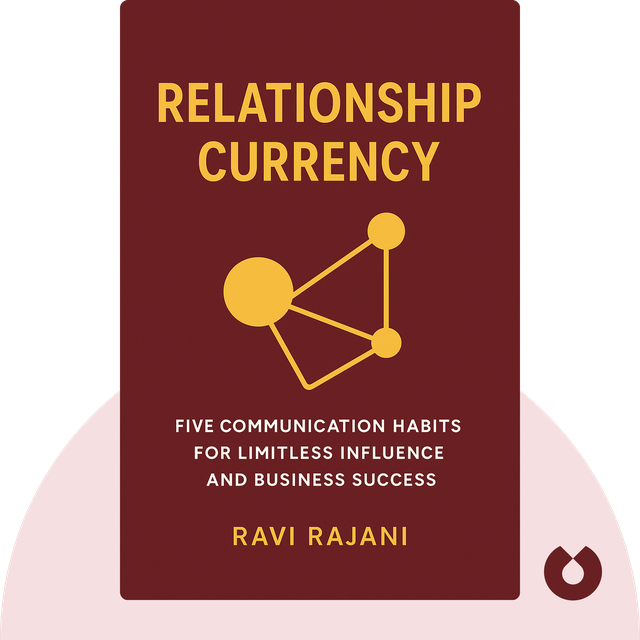
Relationship Currency
Ravi Rajani
Five Communication Habits For Limitless Influence and Success
4.7 (34)21 mins
Unconscious Branding
Douglas van Praet
How Neuroscience Can Empower (and Inspire) Marketing
4.5 (229)30 mins
Winning at Sales
Taylor A. Welch
How to Get So Good People Say “Thank You” for Letting Them Buy
4.5 (594)26 mins
The Challenger Sale
Matthew Dixon and Brent Adamson
How to Take Control of the Customer Conversation
4.5 (428)32 mins
Sell Like A Spy
Jeremy Hurewitz
The Art of Persuasion from the World of Espionage
4.5 (312)21 mins
The 1-Page Marketing Plan
Allan Dib
Get New Customers, Make More Money, And Stand Out From The Crowd
4.5 (593)22 mins