
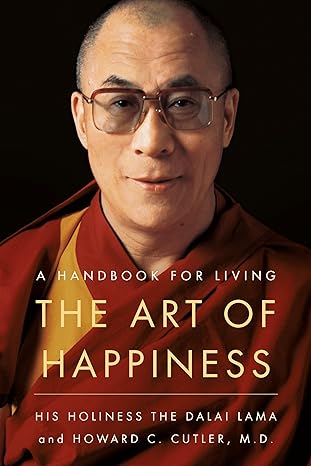
The Art of Happiness Summary
By Dalai Lama
A Handbook for Living
Summary preview
What does it mean to live well if the world remains uncertain, other people can be difficult, the body gets sick, and the mind is often pulled by fear, anger, and desire? This book begins with that very human question and answers it with unusual simplicity. Happiness is not a gift handed to a lucky few. It is something we can train for. It grows from the way we understand our mind, the way we relate to suffering, and the way we open our heart toward others. The pages unfold as a living conversation between the Dalai Lama and psychiatrist Howard Cutler, so the book feels less like a lecture and more like a warm exchange between practical wisdom and modern psychological curiosity. At the center of the book is a bold but gentle claim. The very purpose of life is happiness. That sounds almost too simple at first. Yet the deeper the conversation goes, the more serious that statement becomes. Happiness here is not a passing thrill or the rush of getting what we want. It is not built on money, status, or perfect conditions. It is a steadier state of inner well being. It comes from discipline of mind, from compassion, from perspective, and from learning how to respond differently to pain. The book moves through many dimensions of ordinary life. It looks at anxiety, loneliness, intimacy, anger, self hatred, and grief. It asks why some people remain strong in hardship while others collapse under much smaller burdens. It explores how the mind creates unnecessary suffering by clinging, comparing, exaggerating, and replaying wounds. Again and again, the message returns to something practical. If the mind can learn habits that create distress, it can also learn habits that create peace. One of the most appealing things here is the earthy, human tone. Spiritual ideas are never left floating in the clouds. They are tested against daily struggles. For example, the conversations touch on marriage troubles, workplace conflict, guilt, illness, and even cruelty. The point is never to deny pain or pretend life is sweet all the time. The point is to discover that even in pain, we still have room to choose our attitude and enlarge our heart. By the time you settle into these teachings, the book begins to feel like both a mirror and a companion. It shows where unhappiness is quietly manufactured within us, and it offers ways to interrupt that process. It does not promise a life without sorrow. Instead, it offers something more believable and more useful. It shows how a person can become calmer, kinder, and more resilient, and how that inner work becomes the foundation for a deeper, more enduring happiness.
Sign up to continue reading
Get access to full book summaries, audio of the summaries, and many more.
Similar Books
Books with a similar vibe—explore more like this.
The Yoga Sutras of Patanjali
Translated and commentated on by Sri Swami Satchidananda
Timeless Teachings for Mind, Body, and Emotional Harmony
4.8 (320)32 mins
The Art of Simple Living
Shunmyo Masuno
100 Daily Practices from a Japanese Zen Monk for a Lifetime of Calm and Joy
4.7 (1002)26 mins
The Art of Living
Thich Nhat Hanh
Peace and Freedom in the Here and Now
4.6 (674)28 mins
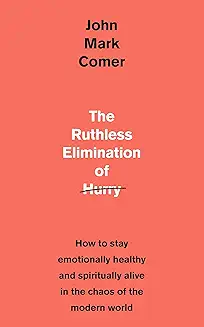
The Ruthless Elimination of Hurry
John Mark Comer
How to Stay Emotionally Healthy and Spiritually Alive in the Chaos of the Modern World
4.5 (372)30 mins
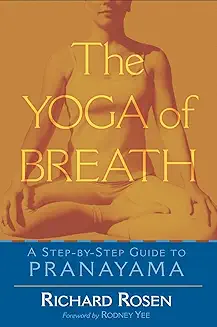
The Yoga of Breath
Richard Rosen
A Step-by-Step Guide to Pranayama
4.5 (433)26 mins

The Greatest Secret
Rhonda Byrne
Revelations and practices to end suffering and discover lasting happiness
4.5 (1203)25 mins
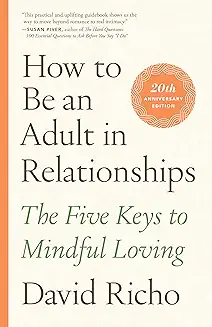
How to Be an Adult in Relationships
David Richo
The Five Keys to Mindful Loving.
4.4 (607)31 mins
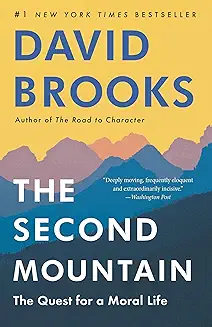
The Second Mountain
David Brooks
The Quest for a Moral Life
4.4 (1028)34 mins
Letting Go
David R. Hawkins
The Pathway of Surrender
4.4 (1029)21 mins
No Mud, No Lotus
Thich Nhat Hanh
The Art of Transforming Suffering
4.3 (650)24 mins