

The Body Keeps the Score Summary
By Bessel van der Kolk
Mind, Brain and the Body in the Transformation of Trauma
Summary preview
The Body Keeps the Score invites you into a world where pain is not only seen in the eyes but felt deeply within the body. This groundbreaking work challenges traditional notions of trauma by delving into how our physical senses, emotions, and memories interplay to shape human experience. The book opens up a conversation about the intimate relationship between mind and body, inviting you to reconsider what it means to heal from deep emotional wounds. At its heart, the book lays bare the reality that traumatic experiences do not remain locked away in a distant mental corner—they leave imprints, altering the very structure and function of the brain. The author weaves together clinical insights, personal anecdotes, and research findings to illustrate how the body carries the weight of memory, reminding us that healing is as much a physical endeavor as it is a psychological one. In laying the groundwork, the reader is encouraged to see trauma as a multi-dimensional experience. The narrative gracefully explains that traumatic events can leave scars that manifest physically as well as psychologically, influencing everything from brain chemistry and neural pathways to behavior and interpersonal relationships. The journey through these pages is not just about understanding trauma as a static event in time, but rather as a dynamic process that unfolds and affects the entire being. You are gently guided to appreciate the complexities of the brain’s response to stress and the ways in which past horrors echo into the present. The text also introduces cutting-edge techniques and methods of clinical treatment that challenge and expand our understanding of trauma care. As you move deeper into the narrative, you encounter real-life examples that bring the clinical details to life. For instance, individual case studies illustrate how early childhood traumas can ripple through adulthood, influencing everything from emotional self-regulation to physical health. The book does a remarkable job of balancing the scientific with the personal, making it accessible while retaining depth. It addresses the failures of traditional therapy models, suggesting innovative approaches for recovery that include mindfulness, body awareness, and a renewed focus on interpersonal connection. Each chapter builds on the previous one, carefully crafting a story of resilience, vulnerability, and the potential for change. The reading experience becomes an invitation to look within, reassess one’s own pain, and possibly find a pathway to healing. Ultimately, the introduction sets the stage for an exploration of trauma that is as enlightening as it is challenging. It prepares you for a journey that recognizes the body as a living archive of our histories—a repository of both suffering and strength. Through its engaging storytelling and compassionate insights, the book promises that understanding trauma is the first step toward reclaiming a sense of wholeness and empowerment.
Sign up to continue reading
Get access to full book summaries, audio of the summaries, and many more.
Similar Books
Books with a similar vibe—explore more like this.
Come as You Are
Emily Nagoski
The Surprising New Science That Will Transform Your Sex Life
4.5 (1394)34 mins

Atlas of the Heart
Brené Brown
Mapping Meaningful Connection and the Language of Human Experience
4.5 (1028)31 mins
Buddha's Brain
Rick Hanson
Happiness, Love and Wisdom
4.4 (739)31 mins
The Brain's Way of Healing
Norman Doidge
Remarkable Discoveries and Recoveries from the Frontiers of Neuroplasticity
4.3 (378)29 mins
Suggestible You
Erik Vance
The Curious Science of Your Brain's Ability to Deceive, Transform, and Heal
4.3 (253)28 mins
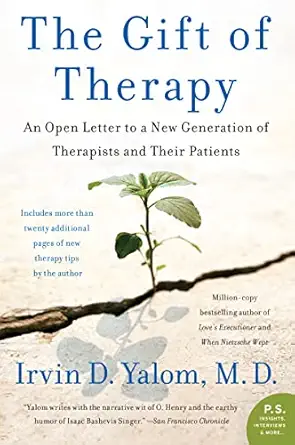
The Gift of Therapy
Irvin D. Yalom
An Open Letter to a New Generation of Therapists and Their Patients
4.3 (388)25 mins
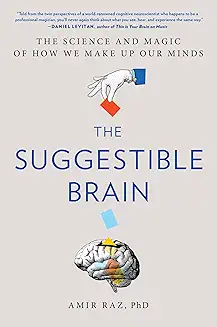
The Suggestible Brain
Amir Raz
The Science and Magic of How We Make Up Our Minds
4.0 (324)23 mins
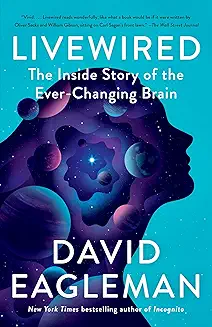
Livewired
David Eagleman
The inside story of the Ever-changing brain
4.8 (544)28 mins
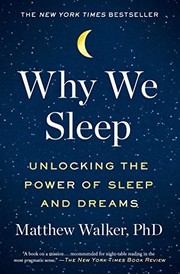
Why We Sleep
Matthew Walker
Unlocking the Power of Sleep and Dreams
4.8 (1560)17 mins
Widen the Window
Elizabeth A. Stanley
Training Your Brain and Body to Thrive During Stress and Recover from Trauma
4.8 (158) mins