
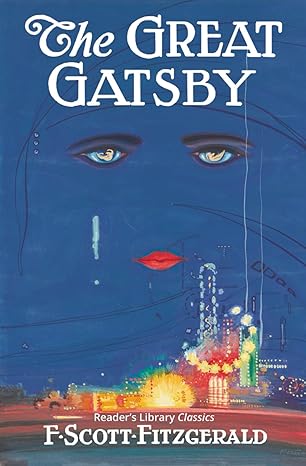
The Great Gatsby Summary
By F. Scott Fitzgerald
A Classic Novel on the American Dream of the Roaring Twenties
Summary preview
There is a curious sadness at the heart of The Great Gatsby, though it first arrives dressed in silk and laughter, in white houses that gleam beside the water, in motorcars, music, champagne, and summer nights that seem to promise everything at once. What looks at first like a glittering tale of wealth and romance slowly turns into something more piercing and more tender. It is a story about longing, about the stubborn power of hope, and about the way people build shining dreams to protect themselves from the plain truth of who they are and what the world will allow. Told through the watchful eyes of Nick Carraway, the novel opens a window onto Long Island in the roaring twenties, where the newly rich and the old rich live within sight of one another and yet belong to different worlds. Across that narrow stretch of water stands Jay Gatsby, a man wrapped in rumor and spectacle. No one seems to know him clearly. Guests crowd his mansion every weekend, drinking his liquor and dancing under his lights, but few can say where he came from or what he truly wants. The answer, when it comes, is far simpler and far more heartbreaking than all the gossip. Gatsby has built his life around a single desire, to win back Daisy Buchanan, the woman he loved before the war and before fortune separated them. That desire gives the book its pulse. It is not only a love story, though love is everywhere in it, tangled up with money, memory, vanity, and regret. It is also a portrait of America dreaming about itself. F. Scott Fitzgerald shows a country intoxicated with success, speed, and surface beauty, yet hollowed out by carelessness and moral drift. The people in this world reach for pleasure as if it were salvation. They hide behind charm, status, and polished manners. Yet beneath the bright rooms and expensive clothes there is restlessness, disappointment, and a deep failure of feeling. What makes the novel endure is the way it holds two truths together. It sees the enchantment of dreaming and the danger of it. Gatsby is absurd and magnificent at once. He is foolish in what he asks of life, but noble in the sheer force of his belief. Nick, who begins as an observer, ends as a man marked by what he has seen. Through him, the book asks whether it is better to live without illusions or to chase a vision so beautiful that it gives meaning even as it destroys. So what unfolds is not merely the fall of one man, but a meditation on class, desire, memory, and the cost of turning human beings into symbols of our private hopes. The story glows with romance and then darkens, and by the end it leaves behind one of literature's clearest feelings, that we are forever reaching toward some green light in the distance, convinced that if we can only touch it, the past will open and...
Sign up to continue reading
Get access to full book summaries, audio of the summaries, and many more.
Similar Books
Books with a similar vibe—explore more like this.
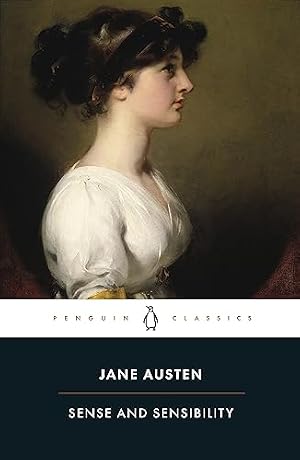
Sense and Sensibility
Jane Austen
Two Sisters, Two Paths to Love
4.0 (13) mins
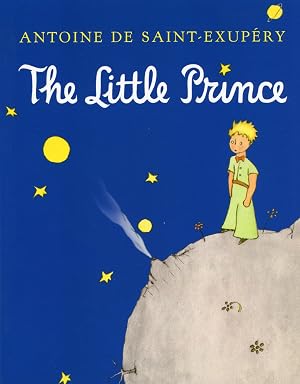
The Little Prince
Antoine de Saint-Exupéry
A Tale About the Human Condition and the Search for Happiness
4.9 (36) mins

The Song of Roland
Anonymous
Enter a World of Medieval Heroism, Where Honor Reigns Supreme
4.9 (3) mins
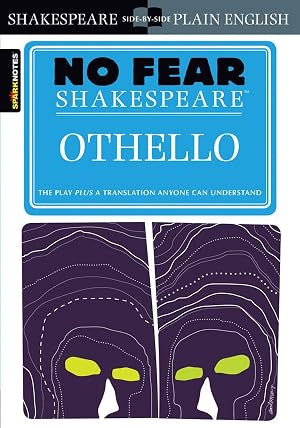
Othello
William Shakespeare
Love, Betrayal, and the Fall of a Hero
4.8 (14) mins
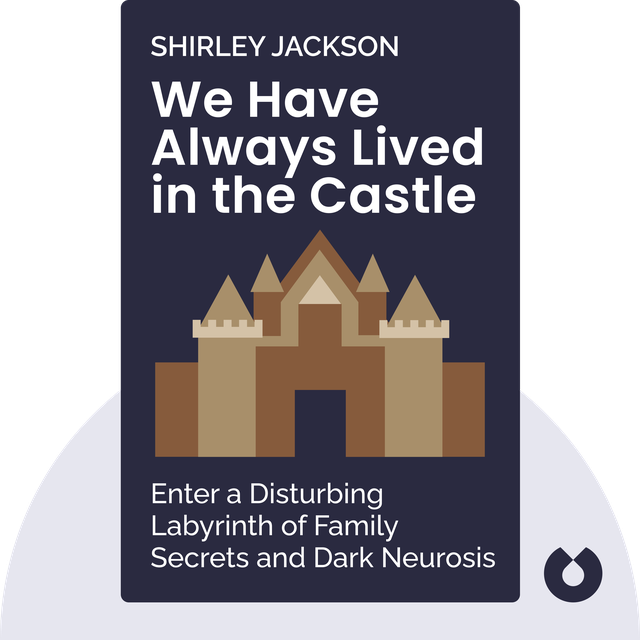
We Have Always Lived in the Castle
Shirley Jackson
Enter a Disturbing Labyrinth of Family Secrets and Dark Neurosis
4.8 (5) mins
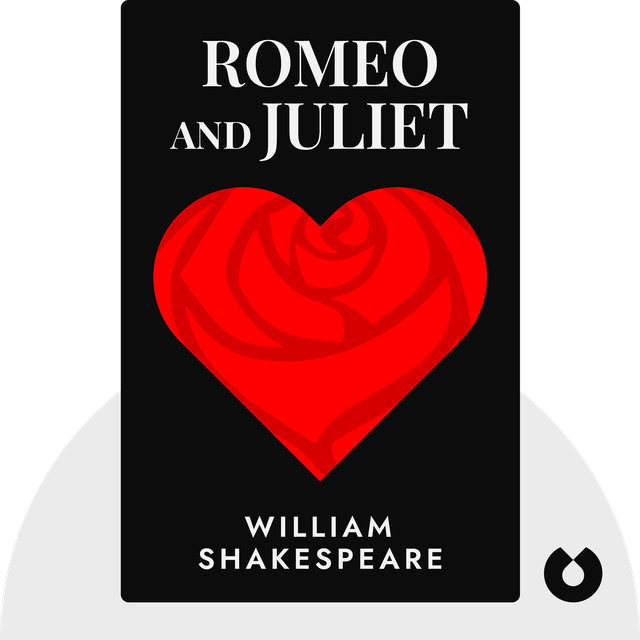
Romeo and Juliet
William Shakespeare
The Tragic Story of Two Star-Crossed Lovers From Feuding Families
4.8 (20) mins

The Creative Act
Rick Rubin
A Way of Being
4.6 (512)27 mins
Frankenstein
Mary Shelley
The Modern Prometheus
4.6 (419)24 mins

Silas Marner
George Eliot
Uncover a Rich Tapestry of Love, Hope, and Redemption
4.6 (7) mins
Tomorrow, and Tomorrow, and Tomorrow
Gabrielle Zevin
A Novel
4.5 (4281)24 mins