
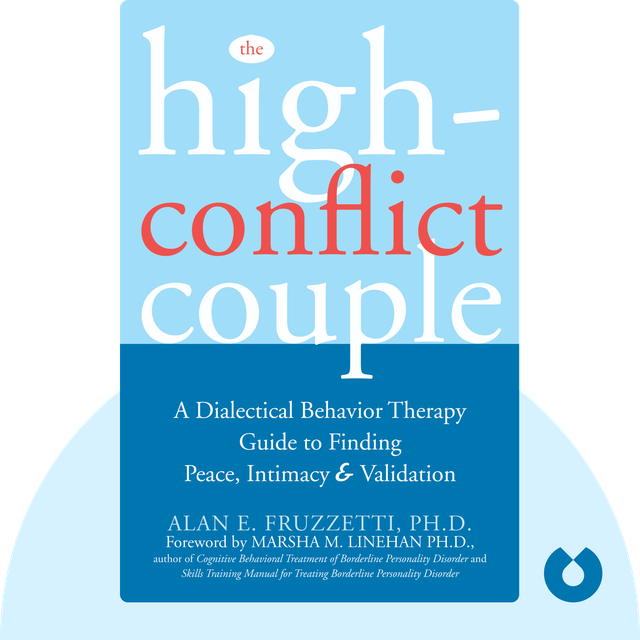
The High-Conflict Couple Summary
By Alan E. Fruzzetti
A Dialectical Behavior Therapy Guide to Finding Peace, Intimacy & Validation
Summary preview
Some couples do not simply argue. They explode, shut down, chase, defend, accuse, and hurt each other in ways that leave both people feeling scared, lonely, and deeply misunderstood. The High Conflict Couple is written for those relationships. It is for people who love each other yet keep getting pulled into battles that seem to start fast, spin out of control, and end with regret. The book’s core message is both hopeful and demanding. Your relationship may feel trapped in chaos, but there are clear reasons this happens, and there are skills that can change it. At the heart of the book is a simple idea. High conflict is not just about anger. It is about emotional vulnerability, invalidation, and the painful ways two people react when they feel threatened, ignored, judged, or abandoned. One partner may become intense and pursue. The other may withdraw or defend. Or both may attack and both may retreat at different times. What matters is the pattern. The problem is not that one person is the villain and the other is the victim all the time. The problem is the cycle that takes over the relationship and teaches each person to expect danger from the one they most want comfort from. Alan E. Fruzzetti draws heavily on principles from dialectical behavior therapy, but he translates them into everyday life. He focuses on how emotions rise, how misunderstanding grows, and how couples accidentally make each other’s suffering worse. Again and again, he shows that even when your intentions are good, your message may not be what your partner hears. A request may sound like blame. A need for space may feel like rejection. A practical suggestion may land as criticism. Then the argument is no longer about the dishes, the money, the children, or being late. It becomes about feeling unsafe, unseen, and alone. The book does not offer quick tricks or empty reassurance. It asks you to learn new habits while your emotions are hot, not only after the damage is done. It teaches awareness, validation, mindfulness, acceptance, and more effective ways to speak and listen. It also takes pain seriously. These couples are not merely bickering. Many are living with intense sensitivity, a history of trauma, depression, impulsivity, or patterns learned in families where emotions were mishandled. For example, one sharp comment in the present can awaken years of old fear, and a small conflict can suddenly feel enormous. Still, the tone is deeply practical. You are invited to see conflict with fresh eyes, understand what keeps it alive, and build a relationship where strong feelings no longer have to lead to destruction. That is the journey ahead.
Sign up to continue reading
Get access to full book summaries, audio of the summaries, and many more.
Similar Books
Books with a similar vibe—explore more like this.
Atlas of the Heart
Brené Brown
Mapping Meaningful Connection and the Language of Human Experience
4.5 (1028)31 mins
Making Great Relationships
Rick Hanson, PhD
Simple Practices for Solving Conflicts, Building Connection, and Fostering Love
4.5 (109)22 mins
Crucial Conversations
Kerry Patterson, Joseph Grenny, Ron McMillan, Al Switzler
Tools for Talking When Stakes Are High
4.3 (658)32 mins
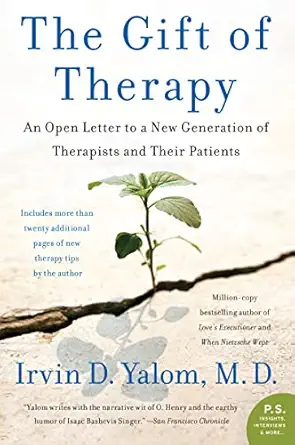
The Gift of Therapy
Irvin D. Yalom
An Open Letter to a New Generation of Therapists and Their Patients
4.3 (388)25 mins
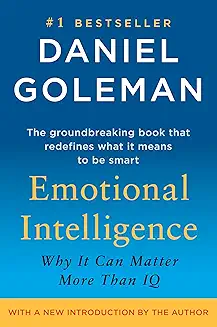
Emotional Intelligence
Daniel Goleman
Why It Can Matter More Than IQ
4.2 (456)33 mins
Quiet
Susan Cain
The Secret Strengths of Introverts
3.9 (573)25 mins
Set Boundaries, Find Peace
Nedra Glover Tawwab
A Guide to Reclaiming Yourself
4.7 (819)27 mins

Once Upon a Stranger
Gillian Sandstrom
The Science of How Small Talk Can Add Up to a Big Life
4.7 (21)22 mins
Presentation Advantage
Kory Kogon, Breck England and Julie Schmidt
How to Inform and Persuade Any Audience
4.7 (72)19 mins
The New Emotional Intelligence
Travis Bradberry
Master your emotional skills for lasting success
4.7 (48)22 mins