
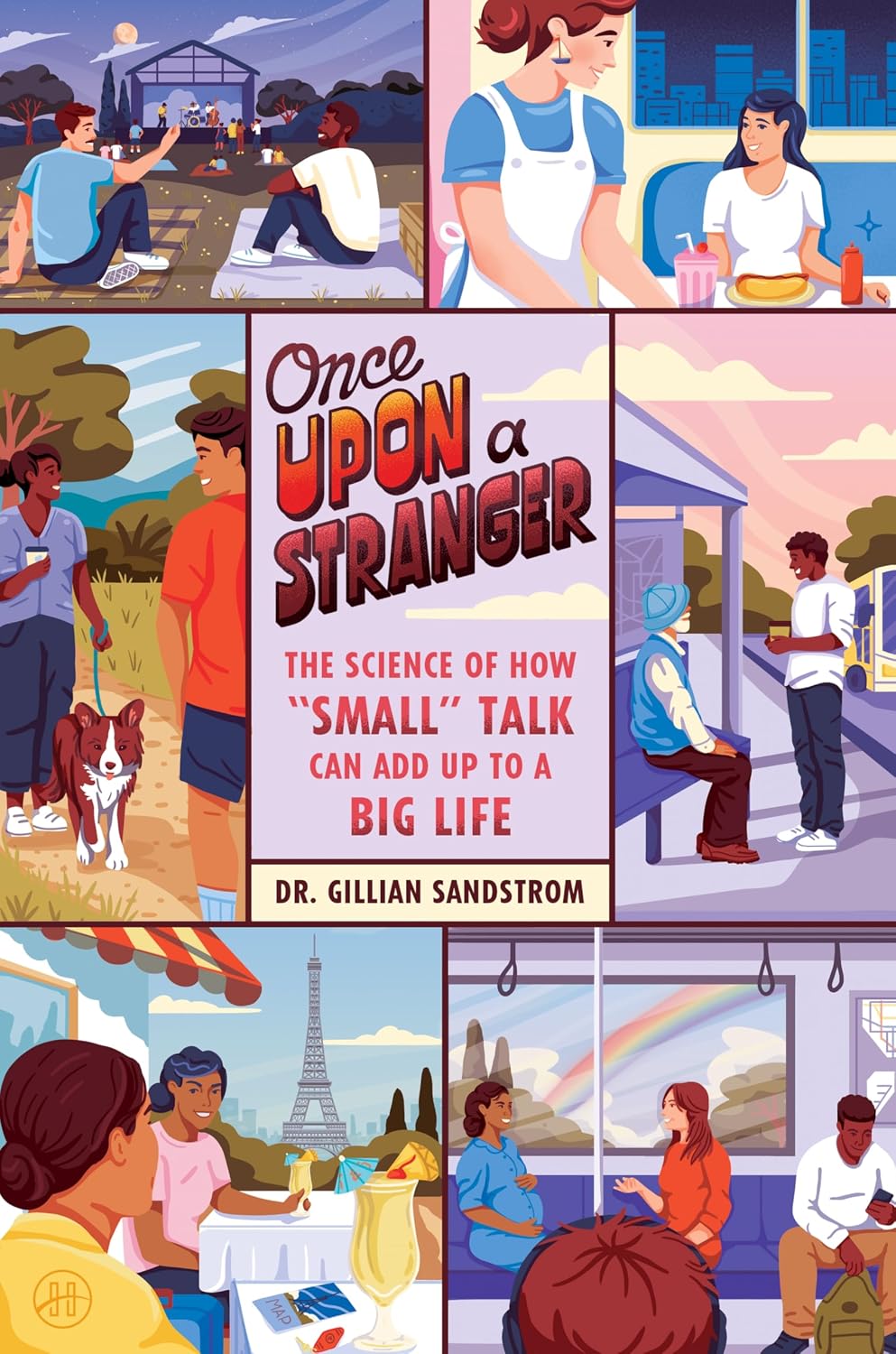
Once Upon a Stranger Summary
By Gillian Sandstrom
The Science of How Small Talk Can Add Up to a Big Life
Summary preview
Most of us move through the world with a quiet rulebook in our heads. Keep to yourself. Do not bother people. Respect privacy. Be polite, yes, but not too personal. We tell ourselves that strangers want distance, and that if we reach out we might seem odd, awkward, or unwanted. Once Upon a Stranger gently turns that whole story upside down. It invites you to look again at the everyday people around you and to see not a blur of unknown faces, but a huge missed opportunity for warmth, belonging, and joy. At the heart of the book is a simple but powerful idea. Talking to strangers is not a social risk to be avoided nearly as often as we think. It is, more often, a human gift waiting to be exchanged. A brief chat in a coffee shop, a comment to the person next to you on a train, a kind question to someone in line, or a message to an old acquaintance can brighten a day, soften loneliness, and remind both people that the world is friendlier than it seems. Gillian Sandstrom builds this case with the voice of someone who is curious, encouraging, and wonderfully human. She does not pretend every interaction becomes a life changing friendship. That is not the point. The point is smaller and somehow bigger at the same time. Small moments of connection matter. They make daily life feel less flat. They help us feel seen. They create little sparks of trust in places where we expected silence. What makes the book especially appealing is that it does not live only in theory. It explores the psychology behind why we avoid strangers, why we misjudge how open other people are, and why our fears about rejection are often exaggerated. But it also stays grounded in ordinary life. It pays attention to the real texture of social moments, the pause before speaking, the relief when someone responds kindly, the surprise when a tiny interaction lingers in memory all day. As the book unfolds, you are guided through the barriers that keep us quiet, the evidence that conversation helps more than we assume, and the practical ways we can make connection feel easier and more natural. You begin to see that strangers are not really a separate category of people. They are future acquaintances, future friends, future stories, or simply fellow humans sharing the same brief stretch of time and space. This is a book about connection, but also about courage. Not grand, dramatic courage, just the everyday kind. The kind it takes to smile first, to ask a question, to notice someone, to choose warmth over withdrawal. By the end, the world feels a little less closed. The crowd around you feels less like a wall and more like an invitation.
Sign up to continue reading
Get access to full book summaries, audio of the summaries, and many more.
Similar Books
Books with a similar vibe—explore more like this.
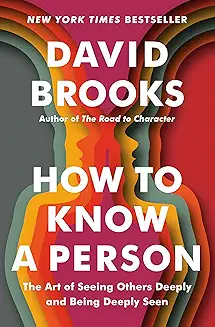
How to Know a Person
David Brooks
The Art of Seeing Others Deeply and Being Deeply Seen
4.4 (692)26 mins
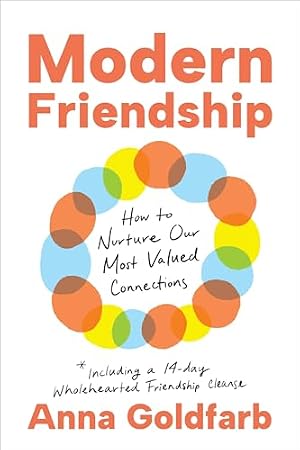
Modern Friendship
Anna Goldfarb
How to Nurture Our Most Valued Connections
4.3 (8)21 mins

Othello
William Shakespeare
Love, Betrayal, and the Fall of a Hero
4.8 (14)22 mins
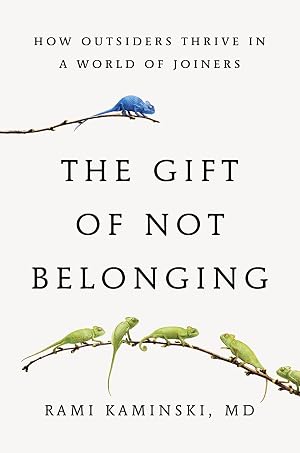
The Gift of Not Belonging
Rami Kaminski
How Outsiders Thrive in a World of Joiners
4.7 (89)22 mins

The New Emotional Intelligence
Travis Bradberry
Master your emotional skills for lasting success
4.7 (48)22 mins
Habits of a Peacemaker
Steven T. Collis
10 Habits to Turn Toxic Conversations Into Healthy Dialogues
4.7 (9)22 mins
The Science of Revenge
James Kimmel, Jr.
Understanding the World's Deadliest Addiction - and How to Overcome It
4.6 (21)24 mins
Fawning
Ingrid Clayton
Finding Your Way Back from the Need to Please
4.6 (15)24 mins
Not Nice
Aziz Gazipura
Stop People Pleasing, Staying Silent, & Feeling Guilt and Start Speaking Up, Saying No, Asking Boldly, and Unapologetically Being Yourself
4.5 (414)29 mins
Atlas of the Heart
Brené Brown
Mapping Meaningful Connection and the Language of Human Experience
4.5 (1028)31 mins