

The Science of Revenge Summary
By James Kimmel, Jr.
Understanding the World's Deadliest Addiction - and How to Overcome It
Summary preview
Revenge feels personal, private, even sacred. When someone hurts you, humiliates you, betrays you, or takes something you love, the urge to strike back can feel as natural as breathing. It can feel righteous. It can feel necessary. We tell ourselves a simple story. They caused pain, so they deserve pain. We imagine that payback will balance the scales and bring relief. But the heart of this book is a startling claim. Revenge is not just a moral issue or a social problem. It is also a brain problem, a public health problem, and in many ways an addiction. That idea changes everything. Once you begin to see revenge through the lens of science, it stops looking like a grand act of justice and starts looking more like a trap built into human biology. A grudge can operate like a craving. Retaliation can light up reward circuits. Rehearsing an injury over and over can deepen suffering instead of healing it. And what feels like strength in the moment can, over time, wreck families, communities, legal systems, and entire nations. James Kimmel, Jr. approaches this subject from a rare and intimate place. He is not standing at a safe distance, pointing at other people’s rage. He knows revenge from the inside. He has felt its intoxication, its logic, and its cost. That honesty gives the book its pulse. This is not a cold lecture about aggression. It is a guided tour through one of the most powerful forces in human life, told by someone who has lived under its spell and then spent years trying to understand what it does to us. The journey moves across law, neuroscience, psychology, evolution, medicine, and lived experience. Along the way, we meet people consumed by vendettas, systems built around punishment, and cultures that often glorify retaliation without recognizing how contagious it can become. We also encounter a radical possibility. If revenge behaves like an addictive cycle, then maybe it can be treated. Maybe we can interrupt it before it becomes violence. Maybe mercy, empathy, and forgiveness are not just lofty virtues but practical tools for survival. What unfolds is both diagnosis and invitation. The diagnosis is sobering. Revenge seduces us by promising relief, then keeps us stuck in pain. The invitation is hopeful. We can learn to recognize the craving, understand its mechanics, and choose another path. This book asks you to look hard at a feeling many people would rather justify than examine. And it asks an even deeper question. What if the future of justice depends on our ability to understand the science of vengeance before vengeance understands us?
Sign up to continue reading
Get access to full book summaries, audio of the summaries, and many more.
Similar Books
Books with a similar vibe—explore more like this.
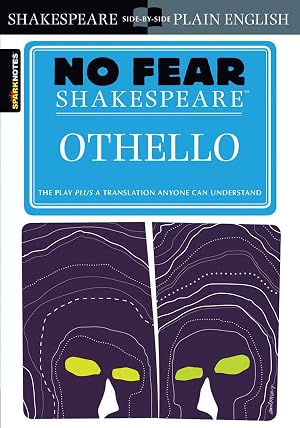
Othello
William Shakespeare
Love, Betrayal, and the Fall of a Hero
4.8 (14)22 mins
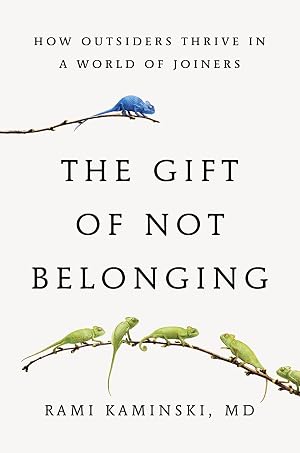
The Gift of Not Belonging
Rami Kaminski
How Outsiders Thrive in a World of Joiners
4.7 (89)22 mins
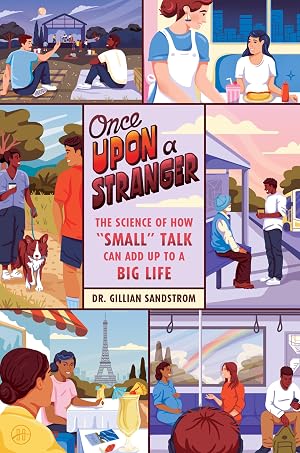
Once Upon a Stranger
Gillian Sandstrom
The Science of How Small Talk Can Add Up to a Big Life
4.7 (21)22 mins
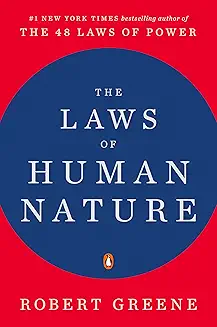
The Laws of Human Nature
Robert Greene
What affects your day-to-day life
4.4 (940)32 mins

Bad Therapy
Abigail Shrier
Why the Kids Aren't Growing Up
4.4 (629)22 mins
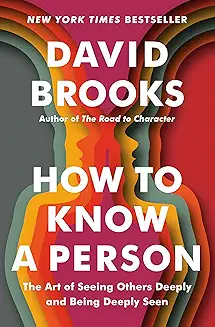
How to Know a Person
David Brooks
The Art of Seeing Others Deeply and Being Deeply Seen
4.4 (692)26 mins
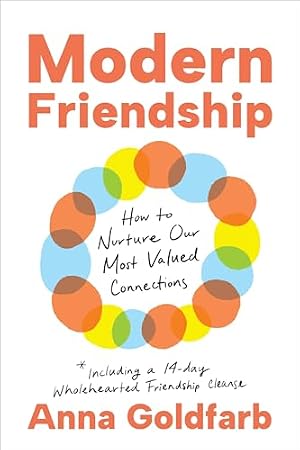
Modern Friendship
Anna Goldfarb
How to Nurture Our Most Valued Connections
4.3 (8)21 mins
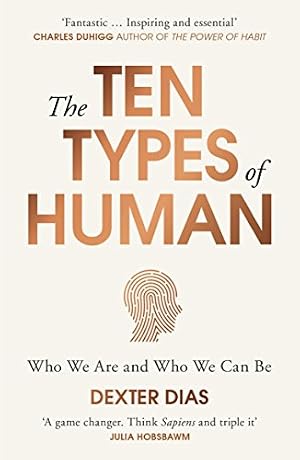
The Ten Types of Human
Dexter Dias
A New Understanding of Who We Are, and Who We Can Be
4.2 (25)22 mins
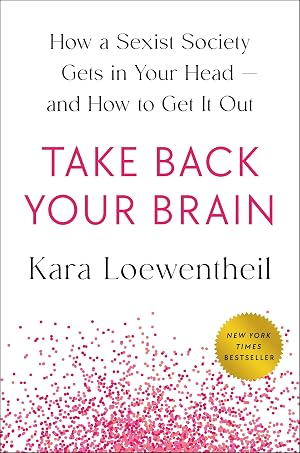
Take Back Your Brain
Kara Loewentheil
How a Sexist Society Gets in Your Head - and How to Get It Out
3.6 (33)21 mins
Optimal Illusions
Coco Krumme
The False Promise of Optimization
3.1 (17)19 mins