
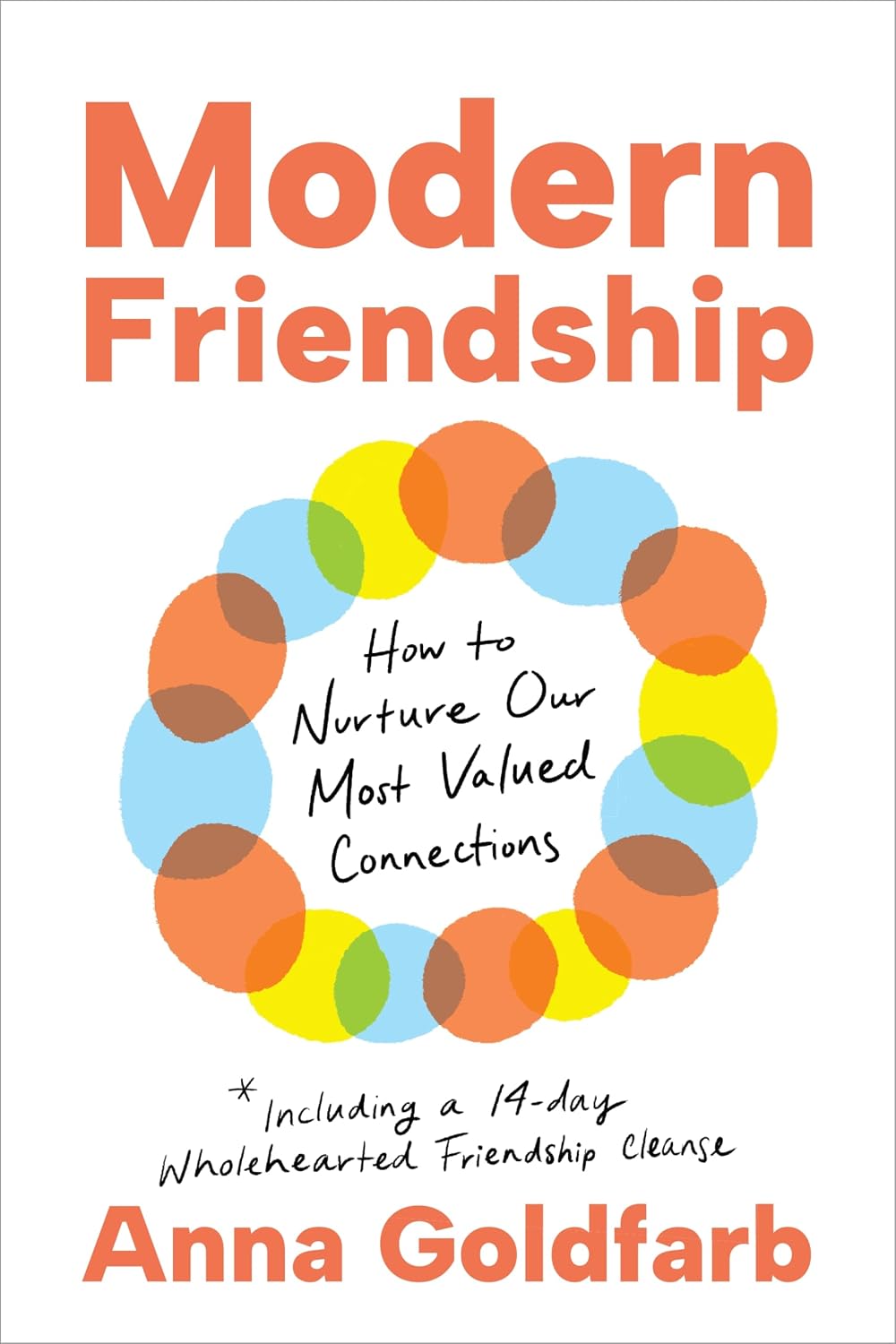
Modern Friendship Summary
By Anna Goldfarb
How to Nurture Our Most Valued Connections
Summary preview
Friendship is supposed to be the easy relationship. No wedding vows, no family tree, no legal paperwork. And yet for so many of us, friendship is the relationship that leaves us the most confused. We wonder why it feels so hard to make new friends as adults. We overthink texts. We feel stung when someone does not invite us, then silly for caring so much. We drift from people we once loved and have no idea whether to fight for the friendship or let it go. Modern Friendship steps right into that mess and says, gently but clearly, you are not imagining it. Friendship has changed, and most of us were never taught how to handle the new rules. Anna Goldfarb sets out to do something both practical and deeply human. She looks at friendship not as a fluffy extra but as one of the central structures of a good life. She argues that friends are not just people we happen to like. They are witnesses, stabilizers, co creators of identity, and a crucial source of belonging. At the same time, modern life makes friendship unusually fragile. We move more. We work more. We live online and mistake updates for intimacy. We have endless access to one another and yet often less real closeness. So the book asks a pressing question. If friendship matters this much, why do we leave it to chance? What makes the book so compelling is that it does not stay in abstract advice. It moves through the real social puzzles people face every day. How do you turn an acquaintance into an actual friend. What makes some friendships feel balanced and easy while others become draining or uncertain. Why does rejection in friendship hurt so much, even when we tell ourselves we should be over it by now. How do you recover from ghosting, social comparison, mismatched expectations, or the awkwardness of wanting more from a connection than the other person seems to want. The book treats these moments seriously because they are serious. Along the way, the voice stays warm, curious, and refreshingly honest. There is room for research, stories, and the strange little social truths we all recognize but rarely say out loud. The message is not that friendship should be effortless. It is that good friendship is built, tended, repaired, and sometimes grieved. It asks for intention. It asks for courage. It asks us to stop acting as if close connection should magically happen without vulnerability, effort, or skill. By the end, what emerges is both a diagnosis and an invitation. The diagnosis is that many of us feel lonely not because we are broken, but because the social world around us is unstable and confusing. The invitation is to approach friendship with more purpose, more honesty, and more generosity. Instead of waiting to be chosen, we can become active participants in the kinds of relationships we want to have.
Sign up to continue reading
Get access to full book summaries, audio of the summaries, and many more.
Similar Books
Books with a similar vibe—explore more like this.
Once Upon a Stranger
Gillian Sandstrom
The Science of How Small Talk Can Add Up to a Big Life
4.7 (21)22 mins
How to Know a Person
David Brooks
The Art of Seeing Others Deeply and Being Deeply Seen
4.4 (692)26 mins
Othello
William Shakespeare
Love, Betrayal, and the Fall of a Hero
4.8 (14)22 mins
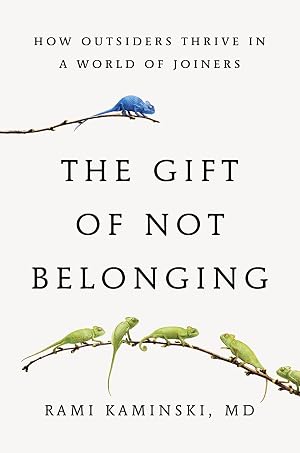
The Gift of Not Belonging
Rami Kaminski
How Outsiders Thrive in a World of Joiners
4.7 (89)22 mins
The New Emotional Intelligence
Travis Bradberry
Master your emotional skills for lasting success
4.7 (48)22 mins
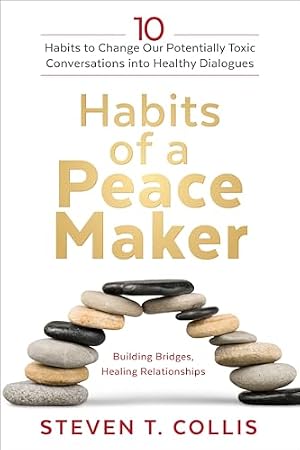
Habits of a Peacemaker
Steven T. Collis
10 Habits to Turn Toxic Conversations Into Healthy Dialogues
4.7 (9)22 mins
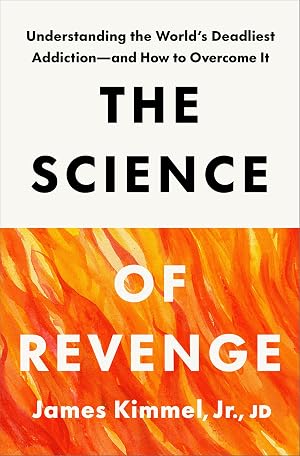
The Science of Revenge
James Kimmel, Jr.
Understanding the World's Deadliest Addiction - and How to Overcome It
4.6 (21)24 mins
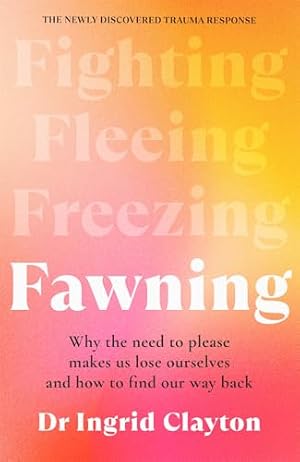
Fawning
Ingrid Clayton
Finding Your Way Back from the Need to Please
4.6 (15)24 mins
Not Nice
Aziz Gazipura
Stop People Pleasing, Staying Silent, & Feeling Guilt and Start Speaking Up, Saying No, Asking Boldly, and Unapologetically Being Yourself
4.5 (414)29 mins
Atlas of the Heart
Brené Brown
Mapping Meaningful Connection and the Language of Human Experience
4.5 (1028)31 mins