
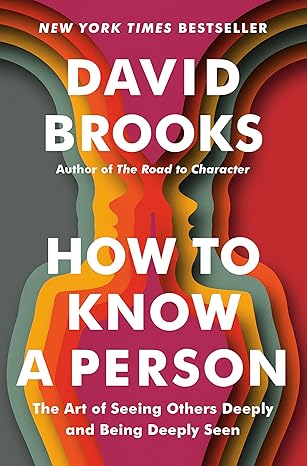
How to Know a Person Summary
By David Brooks
The Art of Seeing Others Deeply and Being Deeply Seen
Summary preview
Most of us move through life with a quiet hunger. We want to be seen, not just glanced at. We want somebody to look past the surface, past the job title, past the practiced smile, and say, I get you. That longing sits at the heart of How to Know a Person. David Brooks sets out to explore a skill that sounds ordinary but turns out to be almost sacred. How do we really see another human being, and how do we make them feel seen in return? The book begins with a troubling truth. Many of us are not very good at this. We live in a time of loneliness, distraction, and social fragmentation. We often stand near one another without truly meeting. We talk, but we do not always listen. We judge quickly. We slot people into categories. We notice what confirms our first impression and miss what makes a person alive and particular. The result is a society where people feel invisible, misunderstood, and cut off. This is not just a private sadness. It becomes a public problem. When people do not know how to understand one another, families grow brittle, workplaces become cold, communities weaken, and politics turns cruel. The book is both diagnosis and invitation. It argues that the ability to know another person is not a rare gift possessed by a few charming souls. It is a practice. It can be learned, sharpened, and deepened. It depends on curiosity, attention, humility, and generosity. It asks you to move from self consciousness to other consciousness, from performing to presence. It asks you to stop treating conversation like a stage where you display yourself and start treating it like a place of discovery. Along the way, Brooks draws on psychology, moral philosophy, personal reflection, and vivid stories of people who knew how to draw others out. He explores why some conversations feel flat while others open into revelation. He looks at what gets in the way of connection, including egotism, anxiety, stereotypes, and the modern habit of seeing people in simplistic terms. He also describes the practical habits that make good seeing possible, such as asking better questions, listening for the deeper story, noticing another person’s emotional landscape, and offering the kind of attention that helps them become more fully themselves. What emerges is a vision of human encounter that is tender and demanding at once. To know a person is not to master them or explain them away. It is to approach them with wonder. It is to honor the fact that each life contains mysteries, wounds, contradictions, and hidden greatness. This book asks you to become the sort of person who can stand before another soul and really behold it. That is not a small social skill. It is a moral act, and maybe one of the most healing things we can offer each other.
Sign up to continue reading
Get access to full book summaries, audio of the summaries, and many more.
Similar Books
Books with a similar vibe—explore more like this.
Once Upon a Stranger
Gillian Sandstrom
The Science of How Small Talk Can Add Up to a Big Life
4.7 (21) mins
Modern Friendship
Anna Goldfarb
How to Nurture Our Most Valued Connections
4.3 (8) mins
Othello
William Shakespeare
Love, Betrayal, and the Fall of a Hero
4.8 (14) mins
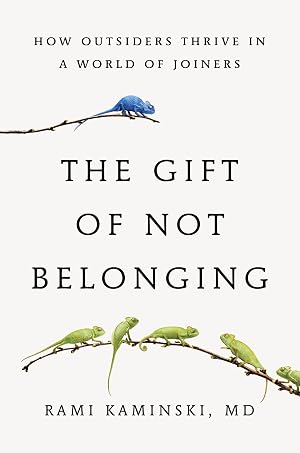
The Gift of Not Belonging
Rami Kaminski
How Outsiders Thrive in a World of Joiners
4.7 (89) mins
The New Emotional Intelligence
Travis Bradberry
Master your emotional skills for lasting success
4.7 (48) mins
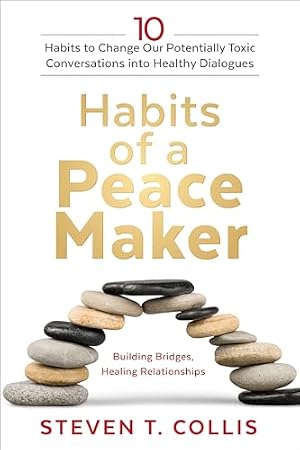
Habits of a Peacemaker
Steven T. Collis
10 Habits to Turn Toxic Conversations Into Healthy Dialogues
4.7 (9) mins

The Science of Revenge
James Kimmel, Jr.
Understanding the World's Deadliest Addiction - and How to Overcome It
4.6 (21) mins
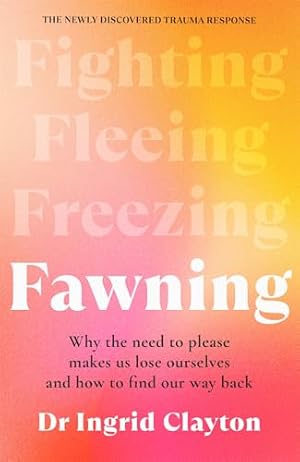
Fawning
Ingrid Clayton
Finding Your Way Back from the Need to Please
4.6 (15) mins
Not Nice
Aziz Gazipura
Stop People Pleasing, Staying Silent, & Feeling Guilt and Start Speaking Up, Saying No, Asking Boldly, and Unapologetically Being Yourself
4.5 (414)29 mins
Atlas of the Heart
Brené Brown
Mapping Meaningful Connection and the Language of Human Experience
4.5 (1028)31 mins