
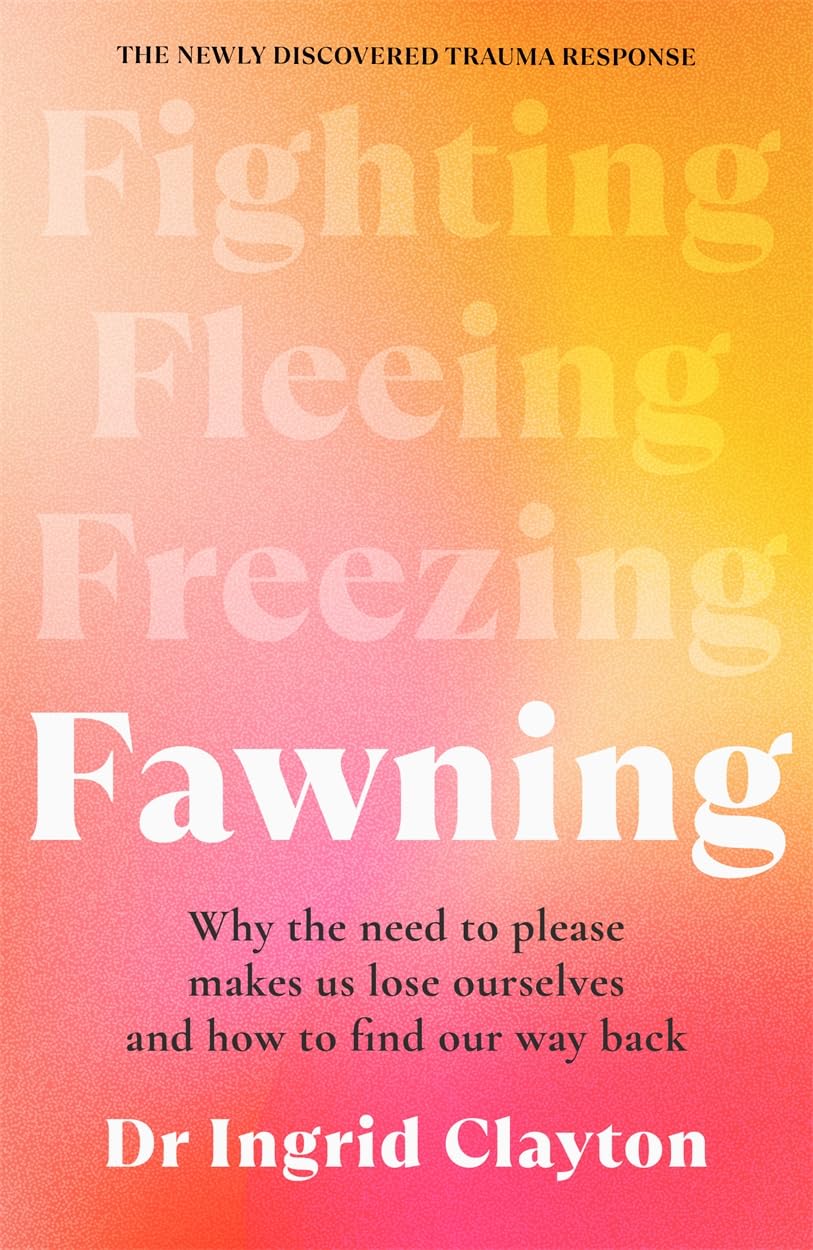
Fawning Summary
By Ingrid Clayton
Finding Your Way Back from the Need to Please
Summary preview
Fawning is a memoir about survival that slowly learns how to become a book about freedom. Ingrid Clayton begins with a question that many trauma survivors know in their bones even if they have never said it out loud. What happens when the person who is supposed to help you heal is also the one who harms you. From there, the story opens into something brave and intimate. It is about childhood wounds, about the patterns we carry into adult life, about the way the nervous system learns to please, soften, submit, and disappear in order to stay safe. It is also about what it takes to come back to yourself after years of training yourself not to exist too loudly. The title points to one of the lesser known trauma responses. Most people have heard of fight, flight, or freeze. This book turns toward fawn, that reflex of appeasing danger by becoming what someone else wants. The author shows how fawning can look like goodness, care, loyalty, openness, spiritual devotion, even healing. But under the surface it is often fear. It is the body saying, if I can make you happy, maybe you will not hurt me. If I can stay agreeable, maybe I will belong. If I can be easy to love, maybe I will not be abandoned. The heart of the memoir centers on a therapy relationship that becomes deeply exploitative. What makes the story so unsettling is not only the abuse itself, but the confusion around it. Therapy is supposed to be a protected space. The therapist is supposed to hold boundaries, offer steadiness, and help the client understand what consent, power, and trust really mean. Instead, those roles become twisted. The result is a violation that reaches far beyond one relationship. It shakes the ground beneath memory, identity, and reality. Yet this is not a book that stays trapped inside harm. It keeps moving. It traces the long arc from idealization to doubt, from dissociation to recognition, from secrecy to truth telling. Along the way, it connects one woman’s experience to larger systems that often protect authority and question survivors. It also explores the overlap between trauma, attachment, and spiritual longing. Why do some people confuse surrender with safety. Why can exploitation feel, at first, like rescue. Why does the body know something is wrong long before the mind can name it. What makes the book so compelling is its voice. It is clear eyed, vulnerable, and fiercely alive. It does not rush toward neat lessons. It lets us sit inside contradiction, shame, craving, grief, and anger. And then, gently but firmly, it invites another possibility. Healing is not becoming more pleasing. It is learning to hear your own no. It is trusting your own experience. It is finding language for what happened and refusing to call it love just because someone powerful did.
Sign up to continue reading
Get access to full book summaries, audio of the summaries, and many more.
Similar Books
Books with a similar vibe—explore more like this.

Once Upon a Stranger
Gillian Sandstrom
The Science of How Small Talk Can Add Up to a Big Life
4.7 (21)22 mins

The New Emotional Intelligence
Travis Bradberry
Master your emotional skills for lasting success
4.7 (48)22 mins
Not Nice
Aziz Gazipura
Stop People Pleasing, Staying Silent, & Feeling Guilt and Start Speaking Up, Saying No, Asking Boldly, and Unapologetically Being Yourself
4.5 (414)29 mins
Atlas of the Heart
Brené Brown
Mapping Meaningful Connection and the Language of Human Experience
4.5 (1028)31 mins
The Narcissist's Playbook
Dana Morningstar
How to Identify, Disarm, and Protect Yourself from Narcissists, Sociopaths, Psychopaths, and Other Types of Manipulative and Abusive People
4.5 (15)21 mins
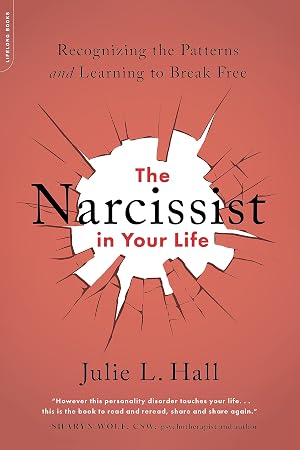
The Narcissist in Your Life
Julie L. Hall
Recognizing the Patterns and Learning to Break Free
4.5 (33)22 mins
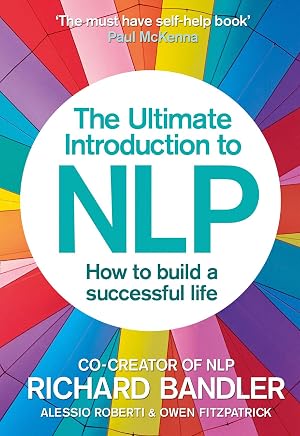
The Ultimate Introduction to NLP
Richard Bandler, Alessio Roberti and Owen Fitzpatrick
How to Build a Successful Life
4.5 (106)25 mins
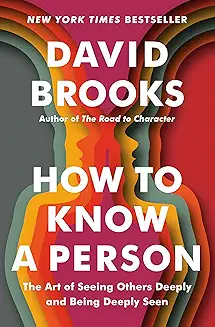
How to Know a Person
David Brooks
The Art of Seeing Others Deeply and Being Deeply Seen
4.4 (692)26 mins
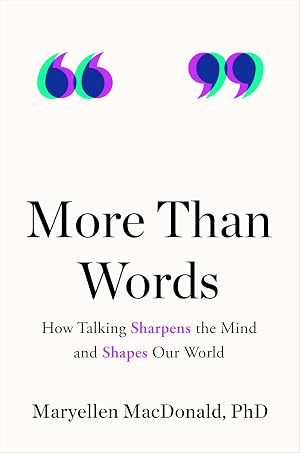
More Than Words
Maryellen MacDonald
How Talking Sharpens the Mind and Shapes Our World
4.4 (16)20 mins
How Highly Effective People Speak
Peter Andrei
How High Performers Use Psychology to Influence With Ease
4.4 (153)21 mins