
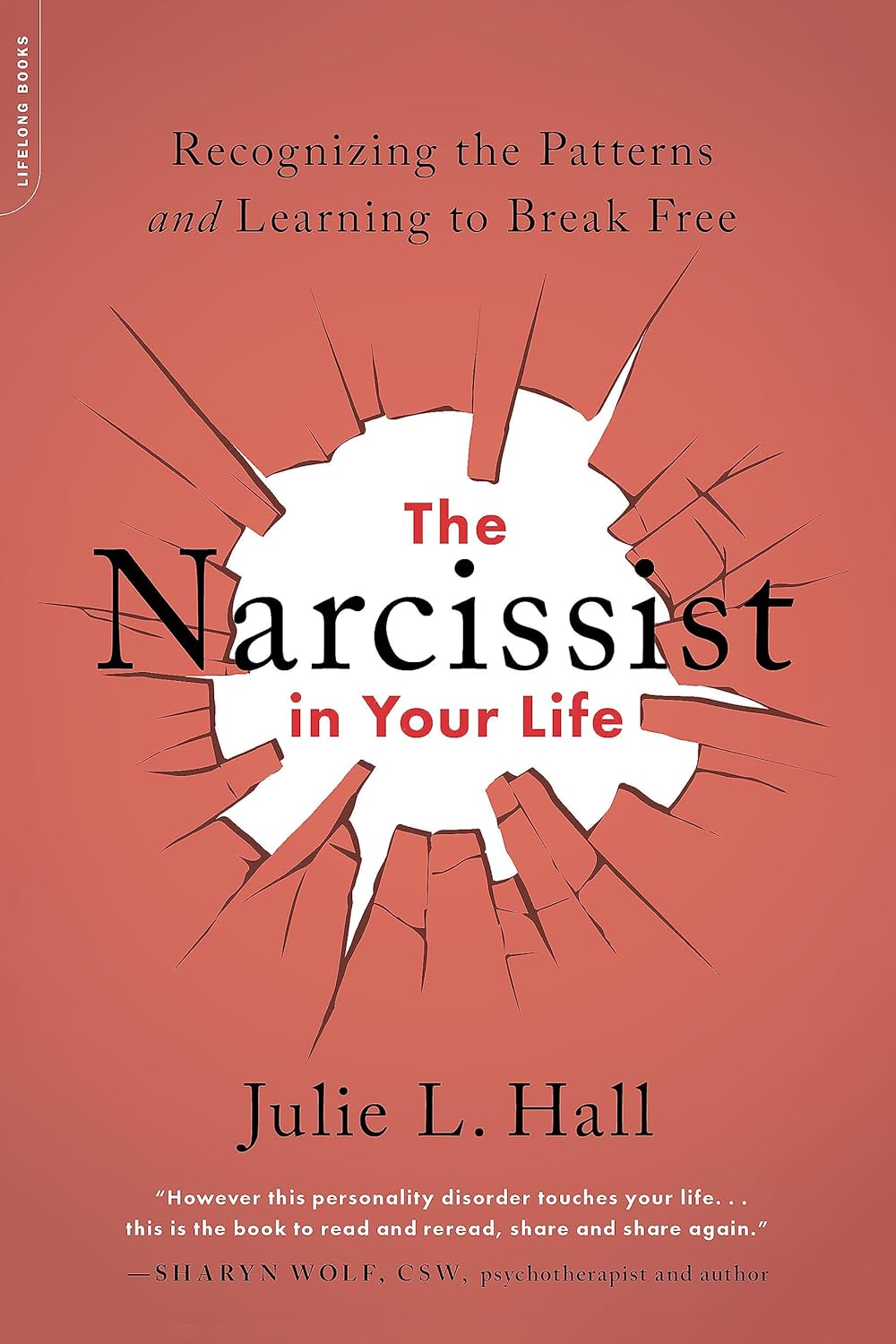
The Narcissist in Your Life Summary
By Julie L. Hall
Recognizing the Patterns and Learning to Break Free
Summary preview
Some people wound you in ways that are hard to explain. They charm, flatter, and pull you close. They seem to know exactly what you need to hear. Then little by little, reality starts to shift. You doubt your memory. You question your feelings. You work harder and harder to keep the peace, to win back the warmth you once received, to solve a problem that never seems to stay solved. This is the painful, dizzying world this book steps into. It is a guide for anyone entangled with a narcissist, whether that person is a parent, partner, sibling, boss, friend, or even an adult child. Julie L. Hall writes from both deep research and lived understanding, and the result is a book that feels like someone finally turning on the lights. Her purpose is not simply to define narcissism in a clinical way. It is to help you recognize a pattern of relating that can be profoundly destructive. She shows how narcissistic people build their identities around a fragile, defended self and then use other people to regulate their emotions, protect their image, and feed their need for control, admiration, and specialness. The real focus, though, is not on diagnosing them from a distance. It is on helping you understand what happens to you when you live under their influence. The book makes a crucial distinction early on. Narcissism exists on a spectrum. Not everyone who is selfish or arrogant has a personality disorder. But the more entrenched the traits become, the more predictable the damage. Hall explains how these relationships often follow an eerie pattern. There is idealization, when you are prized and pursued. Then devaluation, when criticism, blame, contempt, and confusion creep in. And often there is discard or emotional abandonment, followed by hoovering, where the person tries to reel you back in. If this cycle sounds familiar, the book helps you see that your pain is not random. What gives this work its force is its compassion for the people caught in the storm. It explores trauma bonds, gaslighting, scapegoating, parentification, emotional neglect, and the lifelong injuries that come from being treated as an extension of someone else rather than a full human being. For instance, a child of a narcissistic parent may grow up hypervigilant and eager to please, later finding themselves drawn into adult relationships that repeat the same emotional logic. A spouse may spend years trying to communicate better, love better, forgive better, only to discover that the rules keep changing. At heart, this is a book about waking up. It asks you to trust your perceptions again, to see the system clearly, and to stop organizing your life around another person’s distortions. It offers language for experiences that often feel unspeakable. It also offers something even more valuable, a path toward recovery. By the end, the message is both sobering and freeing. You may not be able to change the narcissist in your life, but you can understand the game, step out...
Sign up to continue reading
Get access to full book summaries, audio of the summaries, and many more.
Similar Books
Books with a similar vibe—explore more like this.

Once Upon a Stranger
Gillian Sandstrom
The Science of How Small Talk Can Add Up to a Big Life
4.7 (21)22 mins
The New Emotional Intelligence
Travis Bradberry
Master your emotional skills for lasting success
4.7 (48)22 mins

Fawning
Ingrid Clayton
Finding Your Way Back from the Need to Please
4.6 (15)24 mins
Not Nice
Aziz Gazipura
Stop People Pleasing, Staying Silent, & Feeling Guilt and Start Speaking Up, Saying No, Asking Boldly, and Unapologetically Being Yourself
4.5 (414)29 mins
Atlas of the Heart
Brené Brown
Mapping Meaningful Connection and the Language of Human Experience
4.5 (1028)31 mins
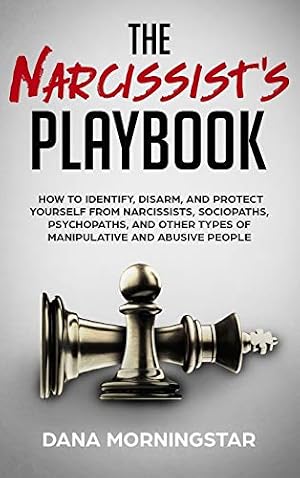
The Narcissist's Playbook
Dana Morningstar
How to Identify, Disarm, and Protect Yourself from Narcissists, Sociopaths, Psychopaths, and Other Types of Manipulative and Abusive People
4.5 (15)21 mins
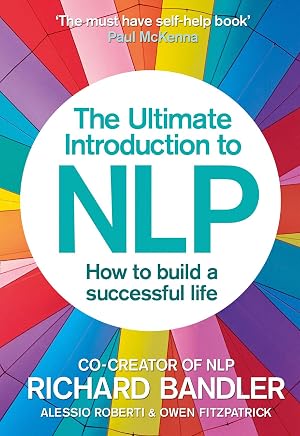
The Ultimate Introduction to NLP
Richard Bandler, Alessio Roberti and Owen Fitzpatrick
How to Build a Successful Life
4.5 (106)25 mins
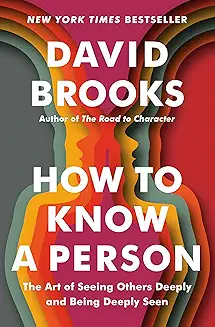
How to Know a Person
David Brooks
The Art of Seeing Others Deeply and Being Deeply Seen
4.4 (692)26 mins
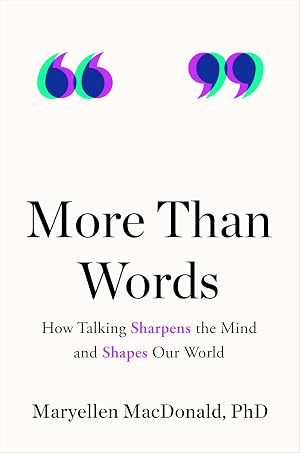
More Than Words
Maryellen MacDonald
How Talking Sharpens the Mind and Shapes Our World
4.4 (16)20 mins
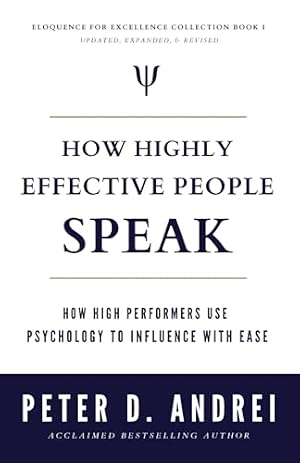
How Highly Effective People Speak
Peter Andrei
How High Performers Use Psychology to Influence With Ease
4.4 (153)21 mins