
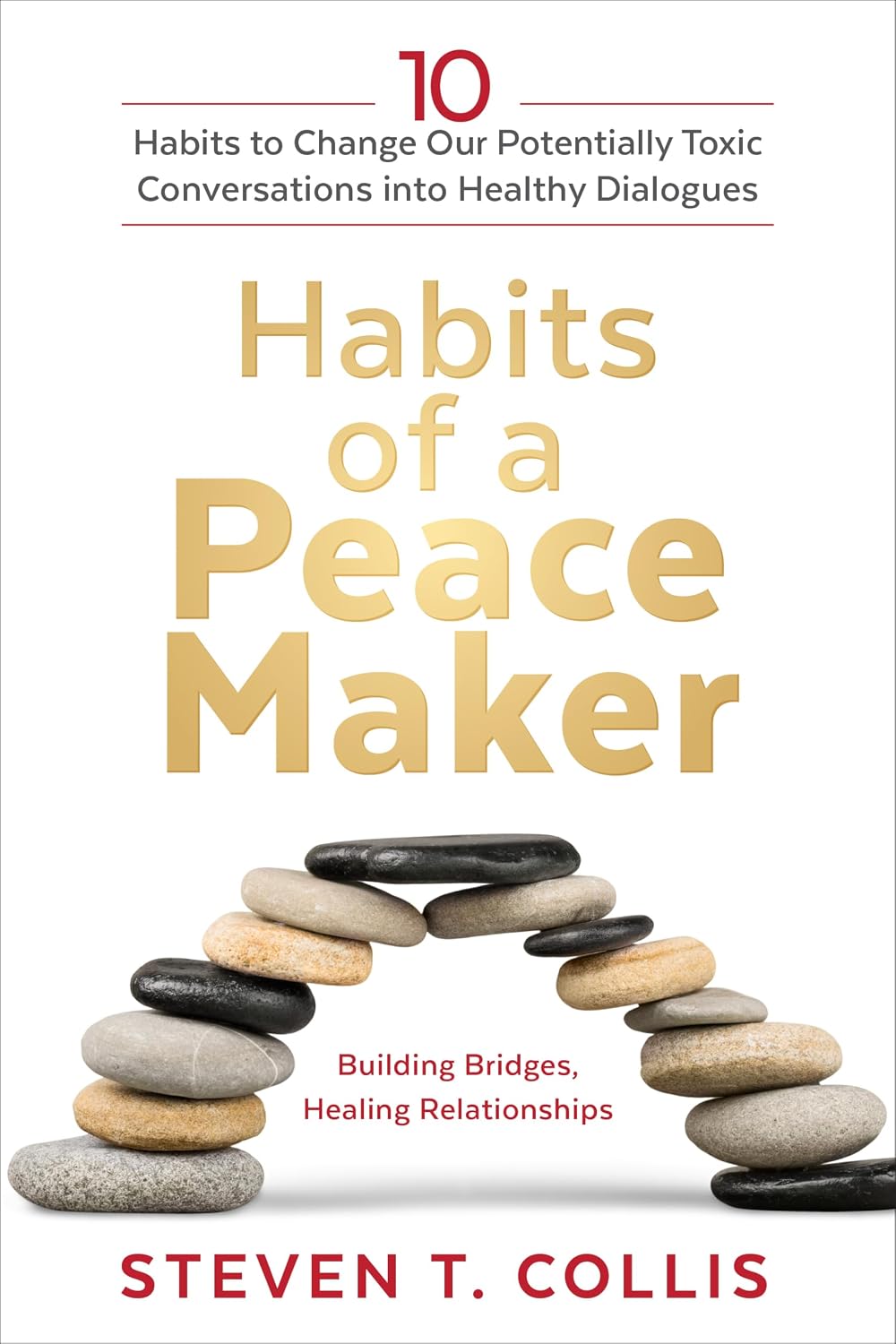
Habits of a Peacemaker Summary
By Steven T. Collis
10 Habits to Turn Toxic Conversations Into Healthy Dialogues
Summary preview
Peace can sound like a soft word, almost too soft for the hard world we live in. Yet this book makes a bold claim. Peace is not weakness. It is not passivity. It is not pretending that harm does not exist. Peace is a discipline, a way of seeing, and a set of habits that can change homes, schools, workplaces, neighborhoods, and even public life. That is the heartbeat of Habits of a Peacemaker. Steven T. Collis invites you to think about conflict in a new way, not as something to fear or avoid, but as a normal part of being human that can be handled with courage, honesty, and care. The book grows out of a simple but urgent question. Why do so many good people who want less division end up deepening it instead? Often the answer is not bad motives. It is bad habits. We react too fast. We assume the worst. We sort people into teams. We confuse being loud with being strong. We treat disagreement like a threat to our identity. Once those habits take hold, conflict begins to feed on itself. The book argues that if destructive conflict is built by habit, then constructive peace can be built the same way. Not by grand speeches alone, but by repeated choices that shape character. What makes the book especially engaging is that it does not live in theory. It moves through stories of people who faced tension, insult, injustice, mistrust, and real pain, then found another way through. Some examples come from history. Others come from modern civic life, legal disputes, campuses, communities, and ordinary relationships. These stories do not suggest that peace is neat or easy. They show that it is difficult, costly, and deeply practical. Again and again, the message is that peacemaking begins before the big crisis. It starts in the small daily moments when you decide how to see another person, how to speak, how to listen, and how to respond when hurt. The book also pushes back against a false choice that traps many of us. We often think our options are either to attack or surrender. But there is another path. A peacemaker can be firm without being cruel. A peacemaker can seek justice without contempt. A peacemaker can tell the truth without humiliating an opponent. That balance is central to the book’s purpose. As you move through these pages, you are not simply asked to admire peacemakers from a distance. You are asked to become one. The promise running through the book is both challenging and hopeful. If conflict has habits, peace does too. And those habits can be learned.
Sign up to continue reading
Get access to full book summaries, audio of the summaries, and many more.
Similar Books
Books with a similar vibe—explore more like this.

Once Upon a Stranger
Gillian Sandstrom
The Science of How Small Talk Can Add Up to a Big Life
4.7 (21)22 mins
How to Know a Person
David Brooks
The Art of Seeing Others Deeply and Being Deeply Seen
4.4 (692)26 mins
Modern Friendship
Anna Goldfarb
How to Nurture Our Most Valued Connections
4.3 (8)21 mins
Better Small Talk
Patrick King
Master the Art of Deep Conversation
4.2 (71)23 mins
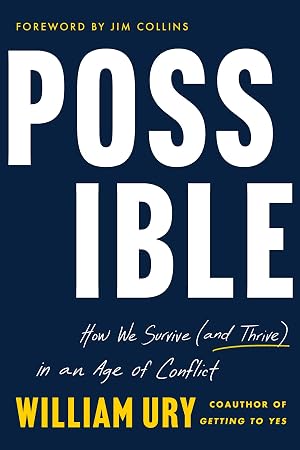
Possible
William Ury
How We Survive (and Thrive) in an Age of Conflict
4.2 (48)18 mins
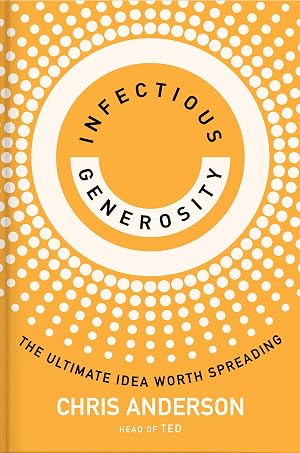
Infectious Generosity
Chris Anderson
The Ultimate Idea Worth Spreading
4.0 (8)18 mins

The Ethical Slut
Janet W. Hardy and Dossie Easton
A Practical Guide to Polyamory, Open Relationships, and Other Freedoms in Sex and Love
4.0 (44)22 mins
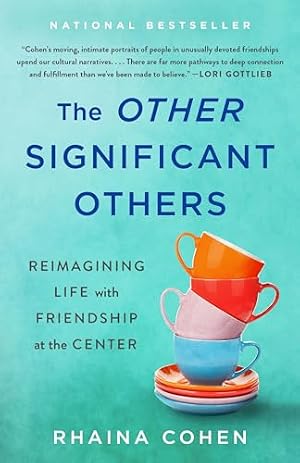
The Other Significant Others
Rhaina Cohen
Reimagining Life with Friendship at the Center
3.8 (42)24 mins

Othello
William Shakespeare
Love, Betrayal, and the Fall of a Hero
4.8 (14)22 mins
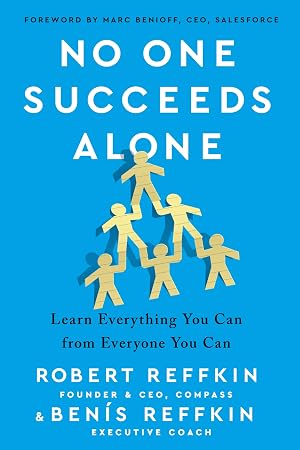
No One Succeeds Alone
Robert Reffkin
Learn Everything You Can from Everyone You Can
4.8 (9)23 mins