
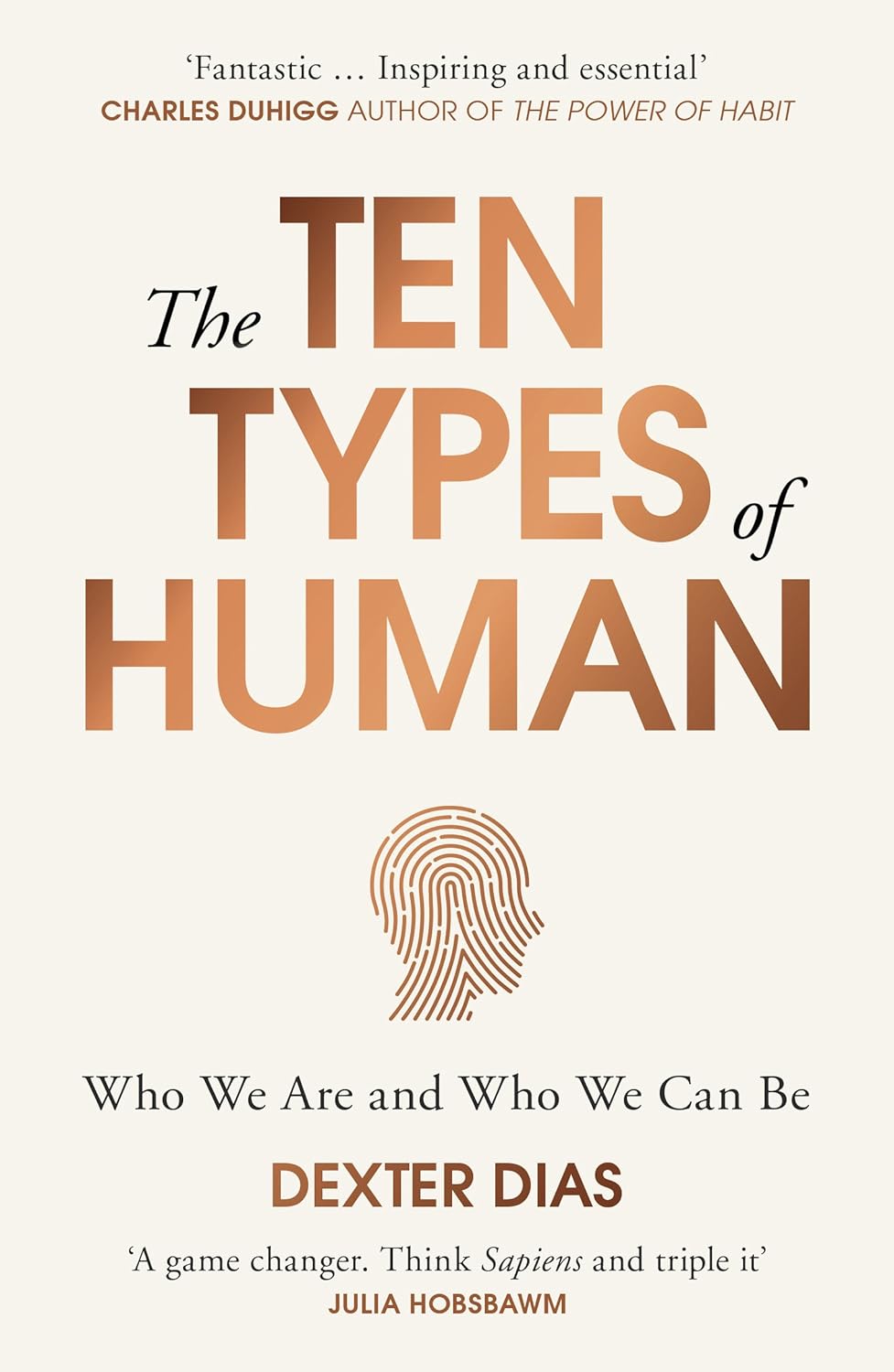
The Ten Types of Human Summary
By Dexter Dias
A New Understanding of Who We Are, and Who We Can Be
Summary preview
What kind of creature are you, really, when life strips away comfort, routine, and the nice story you tell yourself about who you are? That is the unsettling, urgent question driving this book. It begins with a simple but powerful idea. Human beings are not one thing. We are many things. Under different conditions, different versions of us step forward. The person who loves, protects, and sacrifices can also be the person who looks away, obeys cruelty, or joins the crowd in doing harm. The book argues that to understand ourselves, we must stop pretending there is one fixed human nature. There are several recurring human selves, each shaped by evolution, fear, power, belonging, and need. Dexter Dias takes you across courtrooms, war zones, laboratories, prisons, classrooms, and city streets to show how these human types emerge. He writes not as a distant theorist but as someone who has sat with the aftermath of violence, argued for justice, and listened closely to what people do and why they do it. The result is part science, part moral journey, and part eyewitness account of the world at its most heartbreaking and most hopeful. You are not given neat comfort. You are asked to look straight at famine, torture, trafficking, neglect, genocide, and indifference. But you are also shown tenderness, courage, resistance, and the fierce human ability to choose differently. The ten types named through the book are not tidy boxes. They are more like pressures inside us, ancient programs that switch on when circumstances demand something from us. One part of you longs to belong. Another is quick to fear strangers. Another can become numb in the face of suffering. Another wants revenge. Another rises to protect children at great personal cost. The central claim is that environment matters enormously. Context can turn ordinary people toward kindness or brutality. If we want a better world, we cannot rely on good intentions alone. We have to understand the hidden machinery of human behavior. What makes the book so gripping is that it keeps asking a question that becomes impossible to escape. If these capacities live in all of us, which self will come alive when our moment comes? The answer matters in homes and schools, in politics and policing, in boardrooms and refugee camps. It matters whenever someone vulnerable depends on whether another human being sees them, feels for them, and acts. This is a book about what we are capable of. It is also a book about responsibility. Once you see how the mind can be bent by fear, tribe, status, and silence, you can no longer claim innocence through ignorance.
Sign up to continue reading
Get access to full book summaries, audio of the summaries, and many more.
Similar Books
Books with a similar vibe—explore more like this.
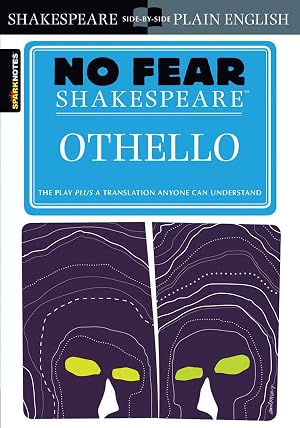
Othello
William Shakespeare
Love, Betrayal, and the Fall of a Hero
4.8 (14)22 mins
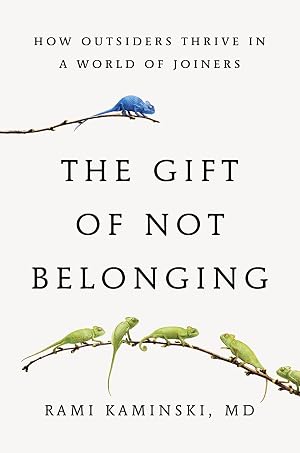
The Gift of Not Belonging
Rami Kaminski
How Outsiders Thrive in a World of Joiners
4.7 (89)22 mins
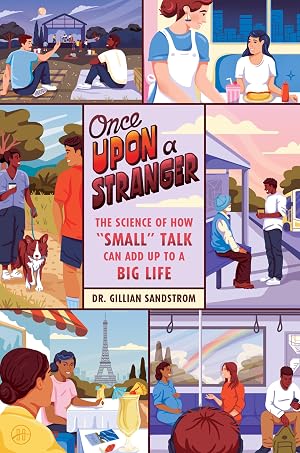
Once Upon a Stranger
Gillian Sandstrom
The Science of How Small Talk Can Add Up to a Big Life
4.7 (21)22 mins
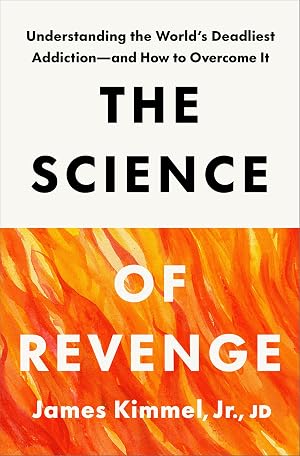
The Science of Revenge
James Kimmel, Jr.
Understanding the World's Deadliest Addiction - and How to Overcome It
4.6 (21)24 mins
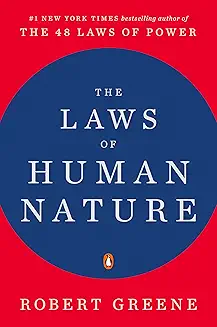
The Laws of Human Nature
Robert Greene
What affects your day-to-day life
4.4 (940)32 mins

Bad Therapy
Abigail Shrier
Why the Kids Aren't Growing Up
4.4 (629)22 mins
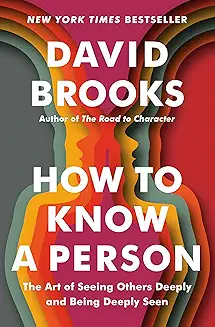
How to Know a Person
David Brooks
The Art of Seeing Others Deeply and Being Deeply Seen
4.4 (692)26 mins
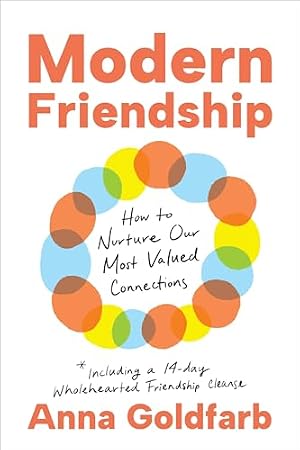
Modern Friendship
Anna Goldfarb
How to Nurture Our Most Valued Connections
4.3 (8)21 mins
Take Back Your Brain
Kara Loewentheil
How a Sexist Society Gets in Your Head - and How to Get It Out
3.6 (33)21 mins
Optimal Illusions
Coco Krumme
The False Promise of Optimization
3.1 (17)19 mins