

The Outsiders Summary
By William N. Thorndike
Eight Unconventional CEOs and Their Radically Rational Blueprint for Success
Summary preview
Most companies talk about greatness as if it comes from dazzling products, charismatic founders, or heroic growth. This book asks you to look somewhere less glamorous and far more revealing. Look at what happens to each dollar a business earns. Look at how a chief executive thinks about capital. Look at whether that leader behaves like an owner, not an employee passing through. That shift in focus is the heart of The Outsiders, where William N. Thorndike gathers a remarkable group of chief executives who beat the market by extraordinary margins while staying oddly quiet, unconventional, and often misunderstood. These leaders were outsiders in several ways. They did not fit the popular image of the celebrity CEO. Many avoided Wall Street chatter, disliked public attention, and ignored management fashion. They were not empire builders chasing size for its own sake. They were disciplined allocators of capital, always asking the same simple question. Where will the next dollar create the most value? Sometimes the answer was investing in the existing business. Sometimes it was making an acquisition. Sometimes it was paying down debt. And very often, when their own shares were cheap, it was buying back stock aggressively. The book is built around eight chief executives whose records were astonishing. Henry Singleton at Teledyne, Tom Murphy at Capital Cities, Bill Anders at General Dynamics, John Malone at TCI, Katharine Graham at The Washington Post, Bill Stiritz at Ralston Purina, Dick Smith at General Cinema, and Warren Buffett at Berkshire Hathaway. They ran different businesses in different industries, yet they shared a recognizable way of thinking. They cared deeply about per share value rather than raw growth. They decentralized operations when possible. They were patient, independent, and emotionally steady. They were willing to do nothing when nothing made sense, and to act boldly when the odds were clearly in their favor. What makes the book so engaging is that it does not offer abstract theory first and examples second. It shows you people making hard choices under pressure. For instance, you see one leader repurchasing stock on a huge scale because the market had badly undervalued the company. You see another shrinking a defense contractor instead of pretending bigger was better. You see media owners and cable operators using tax rules, leverage, and deal structure with unusual creativity. Bit by bit, a pattern appears. Exceptional corporate performance often comes not from operating brilliance alone, but from a rare combination of rationality, courage, and financial skill. By the time you settle into these stories, the lesson becomes clear. Great CEOs are not just operators. They are investors inside a corporation. They treat capital allocation as their central job. They judge success by long term value per share. And they refuse to let convention make their decisions for them. That is the road this book takes you down, and once you start seeing business through that lens, it becomes hard to look away.
Sign up to continue reading
Get access to full book summaries, audio of the summaries, and many more.
Similar Books
Books with a similar vibe—explore more like this.
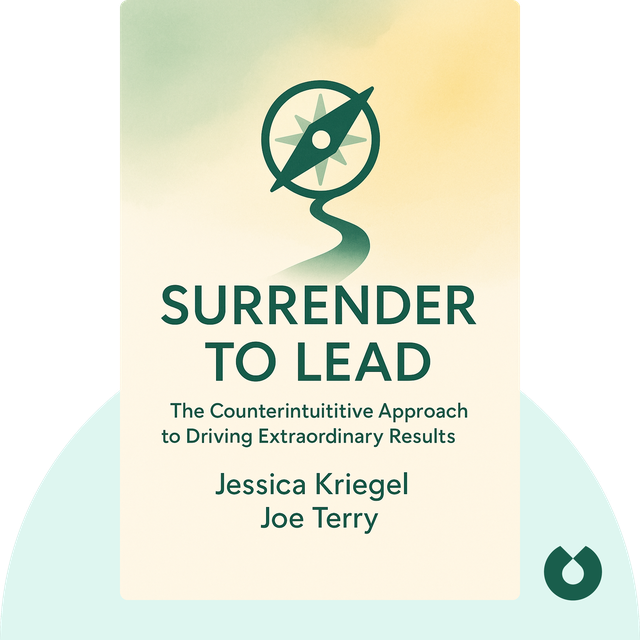
Surrender to Lead
Jessica Kriegel, Joe Terry
The Counterintuitive Approach to Driving Extraordinary Results
4.9 (7) mins

Girl Code
Cara Alwill Leyba
Secrets to Sanity and Success for the Female Entrepreneur
4.9 (4) mins
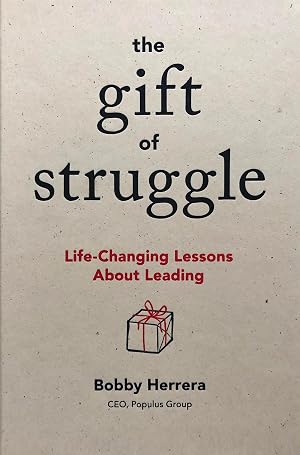
The Gift of Struggle
Bobby Herrera
Life-Changing Lessons About Leading
4.8 (22)21 mins
The Score That Matters
Ryan Hawk, Brook Cupps
Growing Excellence in Yourself and Those You Lead
4.7 (368)17 mins
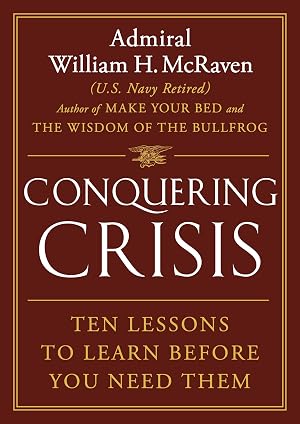
Conquering Crisis
Admiral William H. McRaven
Ten Lessons to Learn Before You Need Them
4.6 (8) mins
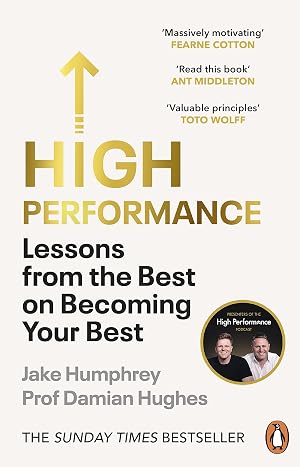
High Performance
Jake Humphrey, Damian Hughes
Lessons from the Best on Becoming Your Best
4.5 (53) mins
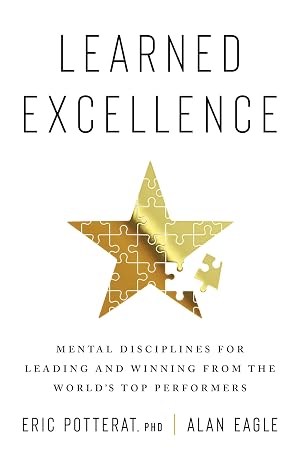
Learned Excellence
Eric Potterat & Alan Eagle
Mental Disciplines for Leading and Winning from the World's Top Performers
4.5 (35) mins
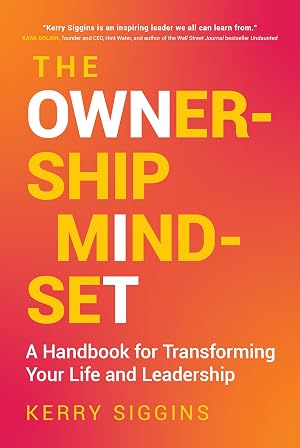
The Ownership Mindset
Kerry Siggins
A Handbook for Transforming Your Life and Leadership
4.5 (10) mins
The Diary of a CEO
Steven Bartlett
The 33 Laws of Business and Life
4.4 (628)25 mins
Talent
Tyler Cowen & Daniel Gross
How to Identify Energizers, Creatives, and Winners Around the World
4.4 (7) mins