
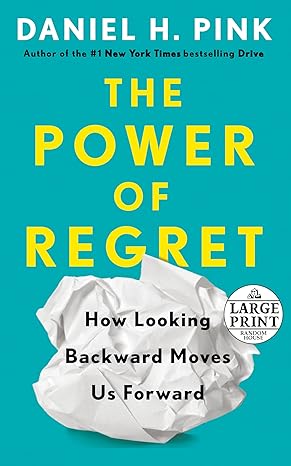
The Power of Regret Summary
By Daniel H. Pink
How Looking Backward Moves us Forward
Summary preview
Most of us have been taught to treat regret like a stain. Hide it. Deny it. Push it away. Stay positive. Keep moving. That sounds uplifting, but it misses something basic about how human beings actually live. Regret is not a sign that you are doing life wrong. It is proof that you are thinking, feeling, choosing, and caring. If you have regrets, it means you have imagined a better path. It means you can compare what happened with what might have happened. And that is one of the most powerful mental tools we possess. That is the starting point of The Power of Regret by Daniel H. Pink. The book turns a common belief upside down. Instead of seeing regret as a useless negative emotion, it shows that regret can help us make better decisions, perform better at work, deepen our relationships, and live with more purpose. The problem is not regret itself. The problem is how we handle it. Ignore regret, and it can harden into shame, rumination, or self deception. Face it honestly, and it can become a guide. The book draws on social science, psychology, economics, neuroscience, and a remarkable collection of stories from everyday life. It asks people from many countries about their biggest regrets and looks for patterns. Those patterns are striking. While our individual stories differ, our deepest regrets often gather around the same themes. We regret failing to build a stable foundation. We regret not taking bold chances. We regret acting against our values. We regret neglecting people who matter to us. Those regrets are painful, yes, but they also reveal what we want most from life. They point us toward security, growth, goodness, and love. What makes this approach so useful is that it is deeply practical. The book does not stop at saying regret is normal. It shows what to do with it. You learn how to think about regret without sinking into self punishment. You learn why talking about regret with the right kind of self compassion can reduce its sting. You learn how to use regret as a tool for forecasting, so future choices become wiser because past mistakes are no longer wasted. The emotion we are told to suppress turns out to be an instrument for clarity. At heart, this is a book about being fully human. We make choices under uncertainty. We miss chances. We hurt people. We disappoint ourselves. We look back and wince. Yet the answer is not to become colder, less attached, or less ambitious. The answer is to become more honest. Regret, handled well, can teach us what we value and how we want to live next. That is the invitation here. Not to dwell in sorrow, but to let it do its quiet, demanding, helpful work.
Sign up to continue reading
Get access to full book summaries, audio of the summaries, and many more.
Similar Books
Books with a similar vibe—explore more like this.
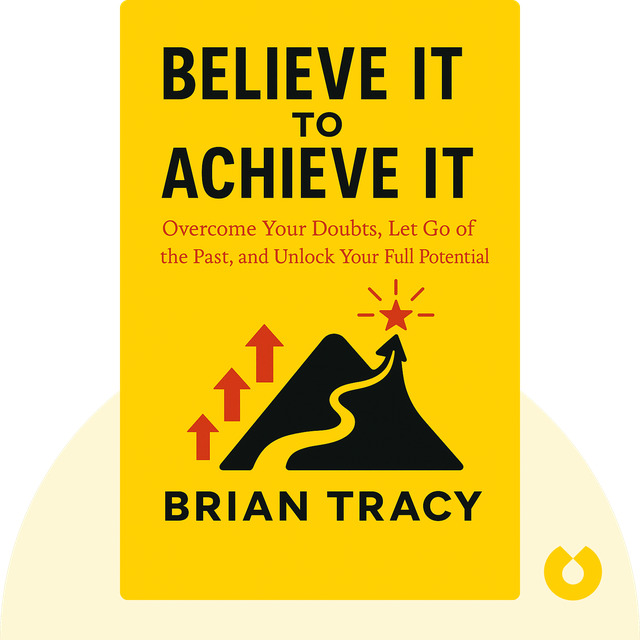
Believe It to Achieve It
Brian Tracy, Christina Stein
Overcome Your Doubts, Let Go of the Past, and Unlock Your Full Potential
4.8 (32) mins

The New Emotional Intelligence
Travis Bradberry
Master your emotional skills for lasting success
4.7 (48) mins
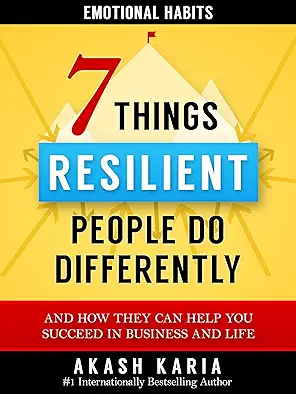
Emotional Habits
Akash Karia
7 Things Resilient People Do Differently
4.4 (300)23 mins
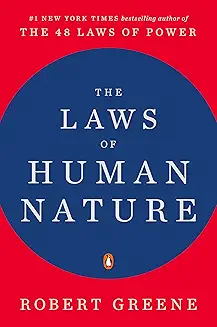
The Laws of Human Nature
Robert Greene
What affects your day-to-day life
4.4 (940)32 mins
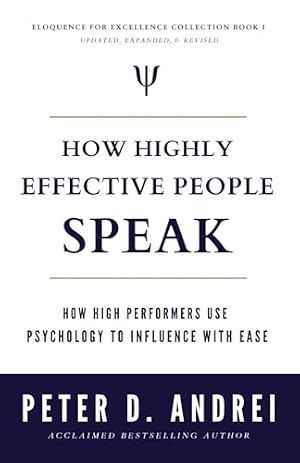
How Highly Effective People Speak
Peter Andrei
How High Performers Use Psychology to Influence With Ease
4.4 (153)21 mins

Insight
Tasha Eurich
Why We're Not as Self-Aware as We Think, and How Seeing Ourselves Clearly Helps Us Succeed at Work and in Life
4.4 (49)31 mins
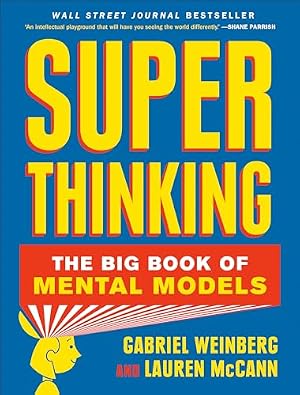
Super Thinking
Gabriel Weinberg with Lauren McCann
The Big Book of Mental Models
4.4 (205) mins
The Psychology of Winning
Denis Waitley
Ten Qualities of a Total Winner
4.4 (66) mins
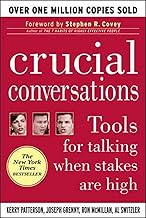
Crucial Conversations
Kerry Patterson, Joseph Grenny, Ron McMillan, Al Switzler
Tools for Talking When Stakes Are High
4.3 (658)32 mins
The Power to Change
Campbell Macpherson
How to Harness Change to Make It Work for You
4.3 (121)28 mins